

Short-term residential therapeutic programs: dashboard: seclusion or behavioral restraints.
Summary
Existing law, the California Community Care Facilities Act, provides for the licensing and regulation of community care facilities, including short-term residential therapeutic programs, by the State Department of Social Services. The act defines a short-term residential therapeutic program as a residential facility licensed by the department and operated by any public agency or private organization that provides an integrated program of specialized and intensive care and supervision, services and supports, treatment, and short-term, 24-hour care and supervision to children that is trauma-informed. Existing law requires specified facilities, including community care facilities, to conduct a clinical and quality review for each episode of the use of seclusion or behavioral restraints, as defined. Existing law requires the facility to conduct a debriefing regarding the incident with the person, and other specified individuals upon the person's request, to discuss how to avoid a similar incident in the future. Under existing law, the person's participation in the debriefing is voluntary. This bill, The Accountability in Children's Treatment Act, would require, in the case of an incident involving the use of seclusion or behavioral restraints in a short-term residential therapeutic program, the facility to notify any foster child who has been subject to seclusion or behavioral restraints of their personal rights by no later than the day following the incident and to provide, within 7 days, a description of the incident, in both oral and written forms, to the person subject to the seclusion or behavioral restraints and, as applicable, to the person's parent, foster parent, guardian, Indian custodian, or other authorized representative, and attorney, if any, and for Indian children, the tribal representative. The bill would require that the description contain certain information, including the actions taken during the incident and its duration, the rationale for the actions, and the personnel approving and implementing the actions. The bill would require the facility to provide a copy of the written description to the department, also within 7 days. The bill would require the department to review all reported incidents involving the use of seclusion or behavioral restraints and to investigate any incidents that indicate a potential health and safety concern or licensing violation. As part of the assessment to determine if an investigation is required, the bill would require the department to determine whether the use of seclusion or behavioral restraints potentially violated any licensing laws and regulations or violated the licensee's approved emergency intervention plan. If the department determines that an incident should be investigated, the bill would require the department to provide the Office of the State Foster Care Ombudsperson with a copy of the incident report and require the ombudsperson to exercise their discretion in determining whether to investigate the incident, as specified. Existing law requires the Secretary of California Health and Human Services or their designee to take steps to establish a system of mandatory, consistent, timely, and publicly accessible data collection regarding the use of seclusion and behavioral restraints in specified facilities, including community care facilities, that utilize seclusion and behavioral restraints. Existing law requires that data collected include, among other information, the number of incidents, the duration of time spent per incident, and the number of serious injuries or deaths occurring while the person is in seclusion or subject to behavioral restraints. Existing law requires the secretary to develop a mechanism for making this information, as it becomes available, publicly available on the internet. Existing law requires the State Department of Social Services and other specified departments to annually provide information to the Legislature about the progress made in implementing the above-described provisions on data collection, clinical and quality review, and debriefing. This bill would require the State Department of Social Services, by January 1, 2026, to display, on its internet website, data that is specific to short-term residential therapeutic programs. The bill would require the dashboard to display the above-described data on seclusion or behavioral restraints as applicable to those programs, the above-described written descriptions of the incidents, and the numbers and types of licensing and administrative actions taken for the improper use of seclusion or behavioral restraints by the short-term residential therapeutic program or an associated individual for the improper use of seclusion or behavioral restraints. The bill would require the department to update the information biannually. Under the bill, this data would exclude any personally identifiable information, as specified, and the provisions of the bill would be implemented to the extent not in conflict with any applicable federal or state privacy laws.
Bill status
signed
all 5 stages cleared
Introduction
Feb 2024
Committee Review
Jun 2024
Senate Passage
May 2024
Assembly Passage
Aug 2024
Signed into Law
Sep 2024
Introduced Feb 7, 2024
Signed Sep 27, 2024
Floor votes · Senate May 23, 2024 · Assembly Aug 26, 2024
How they voted
37–0
Passed · 3 other
Total votes 40
May 23, 2024
D
Democratic31
90% Yea
R
Republican9
100% Yea
Vote distribution
All Yea
All Nay
Mixed
No data
Full legislative history
Actions timeline
Total actions
29
Key actions
11
Committee
5
Amendments
7
Sep 27, 2024
Signed into law
Approved by the Governor.
legislature
Aug 28, 2024
Upper · Passed
Assembly amendments concurred in. (Ayes 39. Noes 0. Page 5613.) Ordered to engrossing and enrolling.
upper
Aug 26, 2024
Introduced
In Senate. Concurrence in Assembly amendments pending.
upper
Aug 26, 2024
Lower · Passed
Read third time. Passed. (Ayes 77. Noes 0. Page 6551.) Ordered to the Senate.
lower
Aug 19, 2024
Lower · Passed
Read second time and amended. Ordered to second reading.
lower
Aug 15, 2024
Lower · Passed
From committee: Do pass as amended. (Ayes 11. Noes 0.) (August 15).
lower
Jun 27, 2024
Lower · Passed
Read second time and amended. Re-referred to Com. on APPR.
lower
Jun 26, 2024
Lower · Passed
From committee: Do pass as amended and re-refer to Com. on APPR. (Ayes 6. Noes 0.) (June 25).
lower
Jun 3, 2024
Committee
Referred to Com. on HUM. S.
lower
May 23, 2024
Upper · Passed
Read third time. Passed. (Ayes 37. Noes 0. Page 4179.) Ordered to the Assembly.
upper
May 16, 2024
Upper · Passed
From committee: Do pass. (Ayes 7. Noes 0. Page 3969.) (May 16).
upper
Apr 16, 2024
Upper · Passed
From committee: Do pass and re-refer to Com. on APPR. (Ayes 5. Noes 0. Page 3606.) (April 15). Re-referred to Com. on APPR.
upper
Apr 3, 2024
Committee
Re-referred to Com. on HUMAN S.
upper
Mar 18, 2024
Upper · Passed
From committee with author's amendments. Read second time and amended. Re-referred to Com. on RLS.
upper
Feb 14, 2024
Committee
Referred to Com. on RLS.
upper
Feb 7, 2024
Introduced
Introduced. Read first time. To Com. on RLS. for assignment. To print.
upper
1 primary · 19 co-sponsors
Sponsors
Role
Legislator
Party
State
District
P
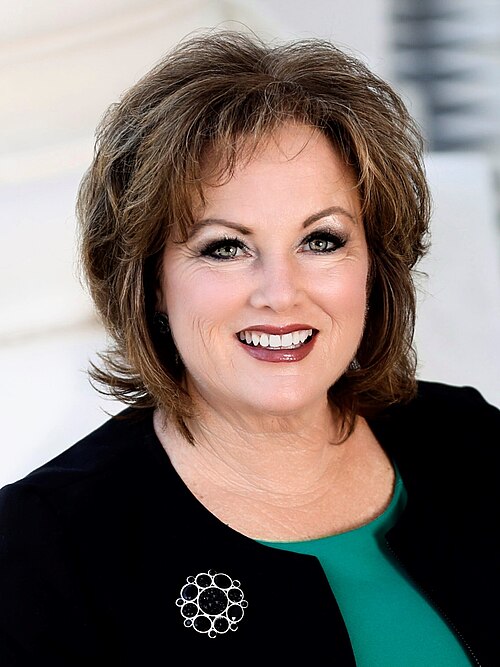
Shannon Grove
RRepublican
Co

Aisha Wahab
DDemocratic
Co

Alex Lee
DDemocratic
Co
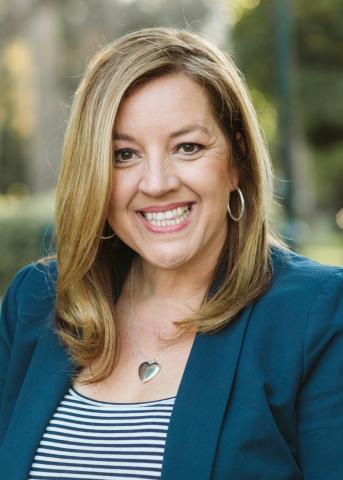
Angelique Ashby
DDemocratic
Co
BE
Bill Essayli
RRepublican
Co

Brian Jones
RRepublican
Co

Dawn Addis
DDemocratic
Co

Diane Dixon
RRepublican
Co

Gail Pellerin
DDemocratic
Co

Jasmeet Bains
DDemocratic
Co

Kate Sanchez
RRepublican




Ask Maddy
·
AI policy assistant
Ask Maddy about SB 1043
Scope: CA
Hi! I can help you understand SB 1043. What would you like to know?
Try one of these
i
Maddy answers using official bill text and legislative records. Always verify before sharing.
Sources cited inline