

Shared mobility devices: insurance and tracking.
Summary
Existing law requires a shared mobility service provider, as defined, to enter into an agreement with, or obtain a permit from, the city or county with jurisdiction over the area of use. Existing law defines shared mobility device to mean an electrically motorized board, motorized scooter, electric bicycle, bicycle, or other similar personal transportation device, except as provided. Existing law requires a city or county that authorizes a shared mobility device provider to operate within its jurisdiction to adopt operation, parking, and maintenance rules, as provided, regarding the use of the shared mobility devices in its jurisdiction before the provider may offer shared mobility devices for rent or use. This bill would require a shared mobility service provider to affix to each shared mobility device a tactile sign containing raised characters and accompanying Braille, as specified, to identify the device for the purpose of reporting illegal or negligent activity. Existing law requires that the shared mobility provider maintain a specified amount of commercial general liability insurance that, among other things, must be with a carrier doing business in California, in a user agreement before distributing a shared mobility device within that jurisdiction. This bill, rather than require the shared mobility service provider to maintain commercial general liability insurance with a carrier doing business in California, would require the coverage to be with an admitted insurer or a nonadmitted insurer, as specified. Starting July 1, 2023, this bill would require a shared mobility service provider or user of a shared mobility device to offer or make available, or to confirm a user of a shared mobility device maintains, $10,000 of coverage for any bodily injury or death suffered by a pedestrian in any one accident when the injury or death involves, in whole or in part, the negligent conduct of the shared mobility device user, and $1,000 of coverage for any property damage to an assistive technology device, as defined. The bill would prohibit a shared mobility service provider from allowing a user or individual to operate or utilize a shared mobility device without the coverage, and would exempt bicycles propelled exclusively by human power and specified electric bicycles from these requirements. The bill would authorize a provider to partner with an insurer to provide coverage that meets or exceeds those requirements to its users via its digital application or other electronic or digital platform, and fund the cost of providing coverage in its standard fee or through a separate charge to users. The bill would require the shared mobility service provider to maintain coverage if a user does not maintain the required insurance coverage. The bill would authorize a provider to enter into agreements with users that maintain their own coverage that meets or exceeds the above requirements to exclude the user from the provider's coverage. The bill would also require a provider to keep an up-to-date list of its users that maintain their own coverage and transmit annually, to the Department of Insurance, information on the percentage of total users in the state that maintain their own coverage and the total number of users, as specified. The bill would specify that it does not prohibit a provider from requiring a user to enter into an indemnity contract, and would specify certain requirements that the indemnity contract would be required to meet. The bill would prohibit parties from waiving or modifying any of its provisions by contractual agreement, act, or omission. The bill would require a shared mobility service provider to disclose, in a specified manner, prior to allowing the user to initiate their first use of a device, that the customer's existing homeowner's, renter's, or automobile insurance policies might not provide coverage for liability resulting from the use of shared mobility devices and that the customer should contact their insurance company or insurance agent to determine if coverage is provided. This bill would require, no later than December 31, 2026, the Department of Insurance to submit to the Legislature and insurance committees, as specified, a study that includes, among other things, recommendations to update shared mobility device insurance coverage requirements, how to strengthen the market for individual mobility device liability coverage, and whether there is a need for insurance coverage for injuries involving bicycles propelled exclusively by human power and specified electric bicycles.
Bill status
signed
all 5 stages cleared
Introduction
Feb 2021
Committee Review
Aug 2022
Assembly Passage
May 2021
Senate Passage
Aug 2022
Signed into Law
Sep 2022
Introduced Feb 1, 2021
Signed Sep 29, 2022
Floor votes · Senate Aug 24, 2022 · Assembly May 13, 2021
How they voted
23–5
Passed · 9 other
Total votes 37
Aug 24, 2022
D
Democratic29
72% Yea
R
Republican8
62% Nay
Vote distribution
All Yea
All Nay
Mixed
No data
Full legislative history
Actions timeline
Total actions
29
Key actions
13
Committee
7
Amendments
12
Sep 29, 2022
Signed into law
Approved by the Governor.
legislature
Aug 29, 2022
Lower · Passed
Senate amendments concurred in. To Engrossing and Enrolling. (Ayes 55. Noes 0.).
lower
Aug 24, 2022
Introduced
In Assembly. Concurrence in Senate amendments pending. May be considered on or after August 26 pursuant to Assembly Rule 77.
lower
Aug 24, 2022
Upper · Passed
Read third time. Passed. Ordered to the Assembly. (Ayes 25. Noes 5. Page 5102.).
upper
Aug 11, 2022
Upper · Passed
Read second time and amended. Ordered returned to second reading.
upper
Aug 11, 2022
Introduced
From committee: Amend, and do pass as amended. (Ayes 5. Noes 1.) (August 11).
upper
Aug 2, 2022
Committee
In committee: Referred to suspense file.
upper
Jun 27, 2022
Upper · Passed
Read second time and amended. Re-referred to Com. on APPR.
upper
Jun 23, 2022
Introduced
From committee: Amend, and do pass as amended and re-refer to Com. on APPR. (Ayes 7. Noes 1.) (June 22).
upper
Jun 9, 2022
Introduced
From committee chair, with author's amendments: Amend, and re-refer to committee. Read second time, amended, and re-referred to Com. on INS.
upper
Jul 8, 2021
Upper · Passed
In committee: Set, first hearing. Hearing canceled at the request of author.
upper
Jul 1, 2021
Upper · Passed
Read second time and amended. Re-referred to Com. on INS.
upper
Jun 30, 2021
Introduced
From committee: Amend, and do pass as amended and re-refer to Com. on INS. (Ayes 9. Noes 0. Page 1716.) (June 29).
upper
Jun 18, 2021
Upper · Passed
In committee: Hearing postponed by committee.
upper
May 27, 2021
Committee
Referred to Coms. on JUD. and INS.
upper
May 13, 2021
Lower · Passed
Read third time. Passed. Ordered to the Senate. (Ayes 59. Noes 3. Page 1402.)
lower
Apr 29, 2021
Lower · Passed
Read third time and amended. Ordered to third reading. (Page 1244.)
lower
Apr 14, 2021
Lower · Passed
Read second time and amended. Ordered returned to second reading.
lower
Apr 13, 2021
Introduced
From committee: Amend, and do pass as amended. (Ayes 11. Noes 0.) (April 13).
lower
Apr 8, 2021
Lower · Passed
From committee: Do pass and re-refer to Com. on JUD. (Ayes 9. Noes 0.) (April 8). Re-referred to Com. on JUD.
lower
Feb 12, 2021
Committee
Referred to Coms. on P. & C.P. and JUD.
lower
Feb 2, 2021
Lower · Passed
From printer. May be heard in committee March 4.
lower
1 primary · 4 co-sponsors
Sponsors
Role
Legislator
Party
State
District
P

Reggie Jones-Sawyer
DDemocratic
Co
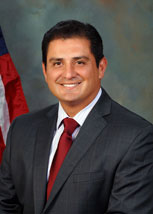
Ben Hueso
DDemocratic
Co

Buffy Wicks
DDemocratic
Co
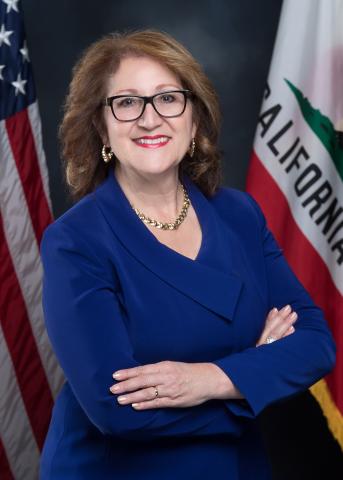
Eloise Reyes
DDemocratic
Co

Marie Waldron
RRepublican
Ask Maddy
·
AI policy assistant
Ask Maddy about AB 371
Scope: CA
Hi! I can help you understand AB 371. What would you like to know?
Try one of these
i
Maddy answers using official bill text and legislative records. Always verify before sharing.
Sources cited inline