

Food facilities and employment.
Summary
Existing law prescribes various protections for employees and generally charges the Labor Commissioner with the enforcement of labor laws. Existing law establishes the powers and responsibilities of the Division of Occupational Safety and Health and the Division of Labor Standards and Enforcement, which are within the Department of Industrial Relations. This bill would enact the Fast Food Accountability and Standards Recovery Act or FAST Recovery Act. The bill would establish, until January 1, 2029, the Fast Food Council (council) within the Department of Industrial Relations, to be composed of 10 members to be appointed by the Governor, the Speaker of the Assembly, and the Senate Rules Committee, and would prescribe its powers. The purpose of the council would be to establish sectorwide minimum standards on wages, working hours, and other working conditions related to the health, safety, and welfare of, and supplying the necessary cost of proper living to, fast food restaurant workers, as well as effecting interagency coordination and prompt agency responses in this regard. The bill would define the characteristics of a fast food restaurant, including that the establishment be part of a set of fast food restaurants consisting of 100 or more establishments nationally that share a common brand, or that are characterized by standardized options for decor, marketing, packaging, products, and services. This bill would require the council to promulgate minimum fast food restaurant employment standards, including standards on wages, working conditions, and training, and to issue, amend, and repeal any other rules and regulations, as necessary to carry out its duties, subject to a petition signed by 10,000 fast food restaurant employees approving the creation of the council, as specified. Under the bill, if a conflict exists between council's standards, rules, or regulations and those issued by another state agency, the standards, rules, or regulations issued by the council would apply to fast food restaurant workers and fast food restaurant franchisees and franchisors, and the conflicting rules or regulations of the other state agency would not have force or effect with respect to these parties. The bill would except from this application proposed standards within the jurisdiction of the Occupational Safety and Health Standards Board and would prescribe a process for the council to petition the board to adopt, amend, or repeal a standard. This bill would require the council to submit a report to the Legislature, as specified, for a standard, or repeal or amendment of a standard, to become effective, and would specify that a standard, repeal, or amendment shall not take effect before October 15 of the same year. The bill would also require the council to provide information as requested by the appropriate committees of the Legislature on labor to facilitate a review of the council's performance and standards, as specified. This bill would require the council to conduct a full review of the adequacy of minimum fast food restaurant health, safety, and employment standards at least once every 3 years. The bill would require the council, following that review, to issue, amend, or repeal, or make recommendations to issue, amend, or repeal, any fast food employment, health or safety standard applicable to fast food restaurants, as appropriate. The bill would require the council to hold meetings or hearings no less than every 6 months that would be open to the public, as specified, and would authorize the council to coordinate with and authorize local agencies to hold such meetings. The bill would authorize a county, or a city with a population greater than 200,000, to establish a Local Fast Food Council, and would prescribe its powers and requirements for its composition. The bill would authorize a Local Fast Food Council to provide recommendations to the council. This bill would require standards for minimum wages, maximum hours of work, and other working conditions fixed by the council to be the minimum standards for fast food restaurant employees, absent a valid collective bargaining agreement, as specified, and would require that they be enforced by the commissioner, as specified, and the Division of Labor Standards Enforcement. By expanding the application of crimes associated with those enforcement procedures, this bill would impose a state-mandated local program. The bill would require the Labor Commissioner and the commissioner's deputies to take assignments of violations of standards issued by the council upon the filing of a claim in writing by an employee or an employee's authorized representative. This bill would prohibit a fast food restaurant operator from discharging or in any manner discriminating or retaliating against any fast food restaurant employee for specified reasons and would create a cause of action and right to reinstatement for employees in this connection, as well as a presumption of unlawful discrimination and retaliation in certain circumstances. The California Constitution requires the state to reimburse local agencies and school districts for certain costs mandated by the state. Statutory provisions establish procedures for making that reimbursement. This bill would provide that no reimbursement is required by this act for a specified reason.
Bill status
signed
all 5 stages cleared
Introduction
Jan 2021
Committee Review
Aug 2022
Assembly Passage
Jan 2022
Senate Passage
Aug 2022
Signed into Law
Sep 2022
Introduced Jan 15, 2021
Signed Sep 5, 2022
Floor votes · Senate Aug 29, 2022 · Assembly Jan 31, 2022
How they voted
21–12
Passed · 7 other
Total votes 40
Aug 29, 2022
D
Democratic31
67% Yea
R
Republican9
100% Nay
Vote distribution
All Yea
All Nay
Mixed
No data
Full legislative history
Actions timeline
Total actions
46
Key actions
16
Committee
13
Amendments
10
Sep 5, 2022
Signed into law
Approved by the Governor.
legislature
Aug 29, 2022
Lower · Passed
Senate amendments concurred in. To Engrossing and Enrolling. (Ayes 47. Noes 19.).
lower
Aug 29, 2022
Introduced
In Assembly. Concurrence in Senate amendments pending. May be considered on or after August 31 pursuant to Assembly Rule 77.
lower
Aug 29, 2022
Upper · Passed
Read third time. Passed. Ordered to the Assembly. (Ayes 21. Noes 12. Page 5185.).
upper
Aug 25, 2022
Upper · Passed
Read third time and amended. Ordered to third reading.
upper
Aug 11, 2022
Upper · Passed
From committee: Do pass. (Ayes 5. Noes 2.) (August 11).
upper
Aug 2, 2022
Committee
In committee: Referred to suspense file.
upper
Jun 29, 2022
Upper · Passed
From committee: Do pass and re-refer to Com. on APPR. (Ayes 7. Noes 1.) (June 28). Re-referred to Com. on APPR.
upper
Jun 16, 2022
Upper · Passed
Read second time and amended. Re-referred to Com. on JUD.
upper
Jun 15, 2022
Introduced
From committee: Amend, and do pass as amended and re-refer to Com. on JUD. (Ayes 3. Noes 2.) (June 13).
upper
Jun 3, 2022
Upper · Passed
In committee: Hearing postponed by committee.
upper
May 27, 2022
Upper · Passed
In committee: Hearing postponed by committee.
upper
May 4, 2022
Committee
Referred to Coms. on L., P.E. & R. and JUD.
upper
Jan 31, 2022
Lower · Passed
Read third time. Passed. Ordered to the Senate. (Ayes 41. Noes 21. Page 3423.)
lower
Jan 27, 2022
Lower · Passed
Read third time and amended. Ordered to third reading. (Ayes 44. Noes 16. Page 3397.)
lower
Jan 20, 2022
Lower · Passed
Read third time and amended. Ordered to third reading. (Ayes 43. Noes 13. Page 3346.)
lower
May 20, 2021
Lower · Passed
From committee: Do pass. (Ayes 12. Noes 4.) (May 20).
lower
May 19, 2021
Committee
In committee: Set, first hearing. Referred to APPR. suspense file.
lower
Apr 29, 2021
Committee
Re-referred to Com. on APPR.
lower
Apr 28, 2021
Lower · Passed
Read second time and amended.
lower
Apr 27, 2021
Introduced
From committee: Amend, and do pass as amended and re-refer to Com. on APPR. (Ayes 7. Noes 3.) (April 27).
lower
Apr 26, 2021
Lower · Passed
From committee: Do pass and re-refer to Com. on JUD. (Ayes 5. Noes 2.) (April 22). Re-referred to Com. on JUD.
lower
Mar 26, 2021
Committee
Re-referred to Com. on L. & E.
lower
Mar 25, 2021
Introduced
From committee chair, with author's amendments: Amend, and re-refer to Com. on L. & E. Read second time and amended.
lower
Mar 25, 2021
Committee
Referred to Coms. on L. & E. and JUD.
lower
Jan 16, 2021
Lower · Passed
From printer. May be heard in committee February 15.
lower
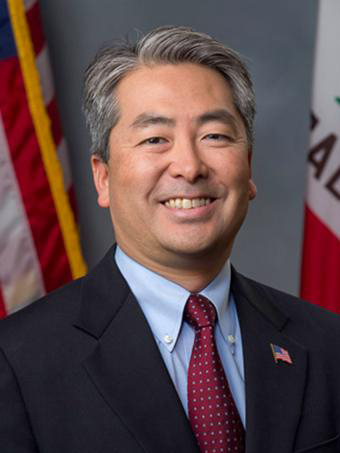
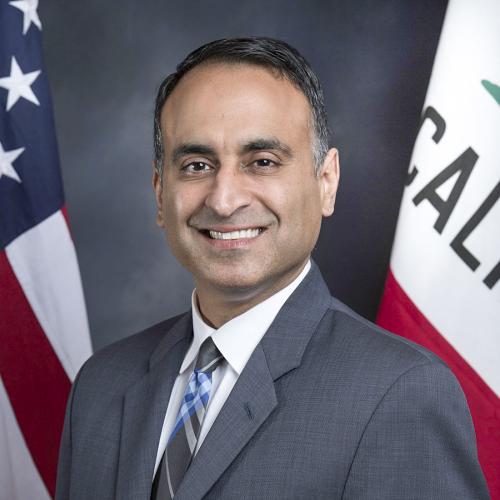
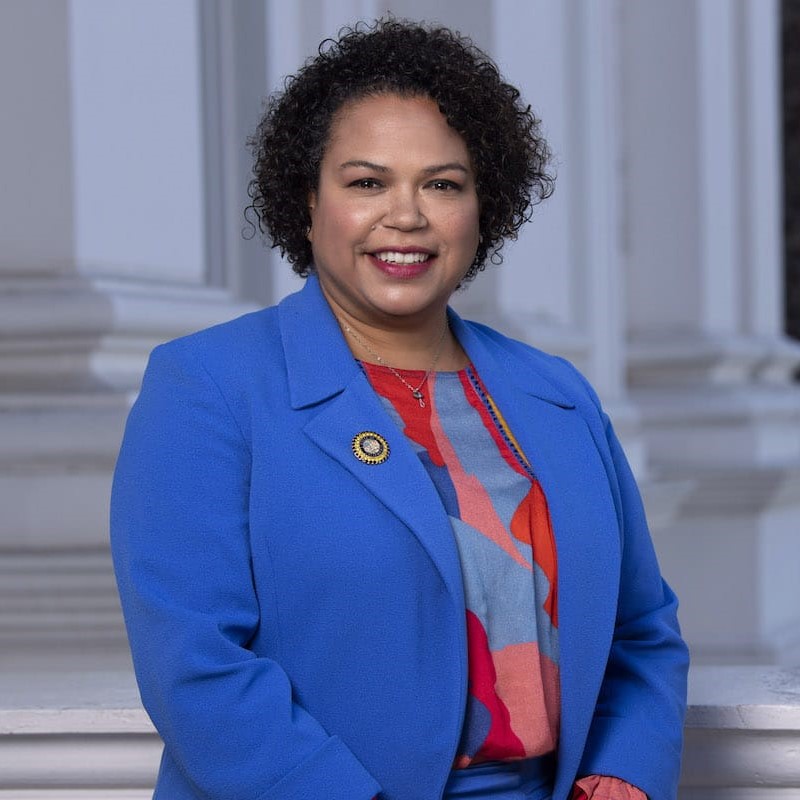
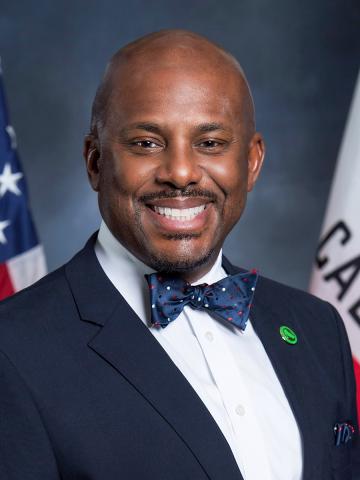
1 primary · 11 co-sponsors
Sponsors








Ask Maddy
·
AI policy assistant
Ask Maddy about AB 257
Scope: CA
Hi! I can help you understand AB 257. What would you like to know?
Try one of these
i
Maddy answers using official bill text and legislative records. Always verify before sharing.
Sources cited inline