

Local government: open and public meetings.
Summary
Existing law, the Ralph M. Brown Act, requires, with specified exceptions, that all meetings of a legislative body of a local agency, as those terms are defined, be open and public and that all persons be permitted to attend and participate. The act contains specified provisions regarding the timelines for posting an agenda and providing for the ability of the public to observe and provide comment. The act allows for meetings to occur via teleconferencing subject to certain requirements, particularly that the legislative body notice each teleconference location of each member that will be participating in the public meeting, that each teleconference location be accessible to the public, that members of the public be allowed to address the legislative body at each teleconference location, that the legislative body post an agenda at each teleconference location, and that at least a quorum of the legislative body participate from locations within the boundaries of the local agency's jurisdiction. The act provides an exemption to the jurisdictional requirement for health authorities, as defined. Existing law, until January 1, 2024, authorizes a local agency to use teleconferencing without complying with those specified teleconferencing requirements in specified circumstances when a declared state of emergency is in effect, or in other situations related to public health. This bill would require the agenda to identify any member of the legislative body that will participate in the meeting remotely. The bill would also require an updated agenda reflecting all of the members participating in the meeting remotely to be posted, if a member of the legislative body elects to participate in the meeting remotely after the agenda is posted. This bill would authorize, upon a determination by a majority vote of the legislative body, a member to be exempt from identifying the address of the member's teleconference location in the notice and agenda or having the location be accessible to the public, if the member elects to teleconference from a location that is not a public place, including, beginning January 1, 2024, that at least a quorum of members of the legislative body participates from a single physical location that is clearly identified on the agenda, open to the public, and situated within the boundaries of the territory over which the local agency has jurisdiction. This bill would require all open and public meetings of a legislative body that elects to use teleconferencing to provide a video stream accessible to members of the public and an option for members of the public to address the body remotely during the public comment period through an audio-visual or call-in option. This bill would repeal these provisions on January 1, 2030. Existing constitutional provisions require that a statute that limits the right of access to the meetings of public bodies or the writings of public officials and agencies be adopted with findings demonstrating the interest protected by the limitation and the need for protecting that interest. This bill would make legislative findings to that effect. The California Constitution requires local agencies, for the purpose of ensuring public access to the meetings of public bodies and the writings of public officials and agencies, to comply with a statutory enactment that amends or enacts laws relating to public records or open meetings and contains findings demonstrating that the enactment furthers the constitutional requirements relating to this purpose. This bill would make legislative findings to that effect.
Bill status
passed
3 of 5 stages cleared
Introduction
Feb 2022
Committee Review
Jun 2022
Assembly Passage
May 2022
Senate Passage
Governor
Introduced Feb 10, 2022
Last action Jun 22, 2022
Floor votes · Assembly May 27, 2022
How they voted
42–12
Passed · 21 other
Total votes 75
May 27, 2022
D
Democratic55
72% Yea
I
Independent1
100% Yea
R
Republican19
21% Nay
Vote distribution
All Yea
All Nay
Mixed
No data
Full legislative history
Actions timeline
Total actions
17
Key actions
8
Committee
8
Amendments
2
Jun 22, 2022
Upper · Passed
In committee: Hearing postponed by committee.
upper
Jun 22, 2022
Upper · Passed
In committee: Set, first hearing. Hearing canceled at the request of author.
upper
Jun 8, 2022
Committee
Referred to Coms. on GOV. & F. and JUD.
upper
May 27, 2022
Assembly · Passed
Assembly Vote: pass (42-12-21)
assembly
May 26, 2022
Lower · Passed
Read third time. Passed. Ordered to the Senate. (Ayes 44. Noes 12.)
lower
May 25, 2022
Lower · Passed
Read third time and amended. Ordered to third reading. (Page 4908.)
lower
May 4, 2022
Lower · Passed
From committee: Do pass. (Ayes 5. Noes 2.) (May 4).
lower
Apr 26, 2022
Lower · Passed
In committee: Set, first hearing. Hearing canceled at the request of author.
lower
Apr 19, 2022
Committee
Re-referred to Com. on L. GOV.
lower
Apr 18, 2022
Introduced
From committee chair, with author's amendments: Amend, and re-refer to Com. on L. GOV. Read second time and amended.
lower
Feb 18, 2022
Committee
Referred to Com. on L. GOV.
lower
Feb 11, 2022
Lower · Passed
From printer. May be heard in committee March 13.
lower
1 primary · 4 co-sponsors
Sponsors
Role
Legislator
Party
State
District
P
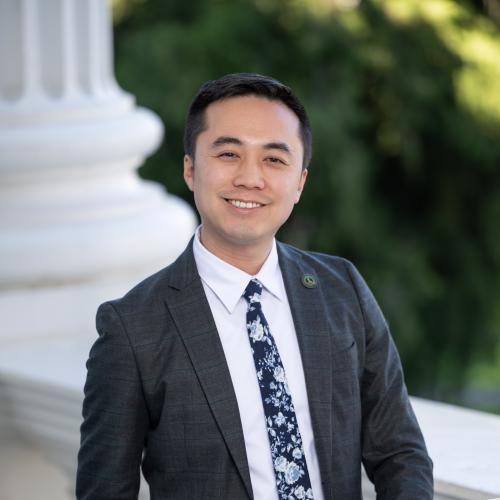
Alex Lee
DDemocratic
Co

Cristina Garcia
DDemocratic
Co
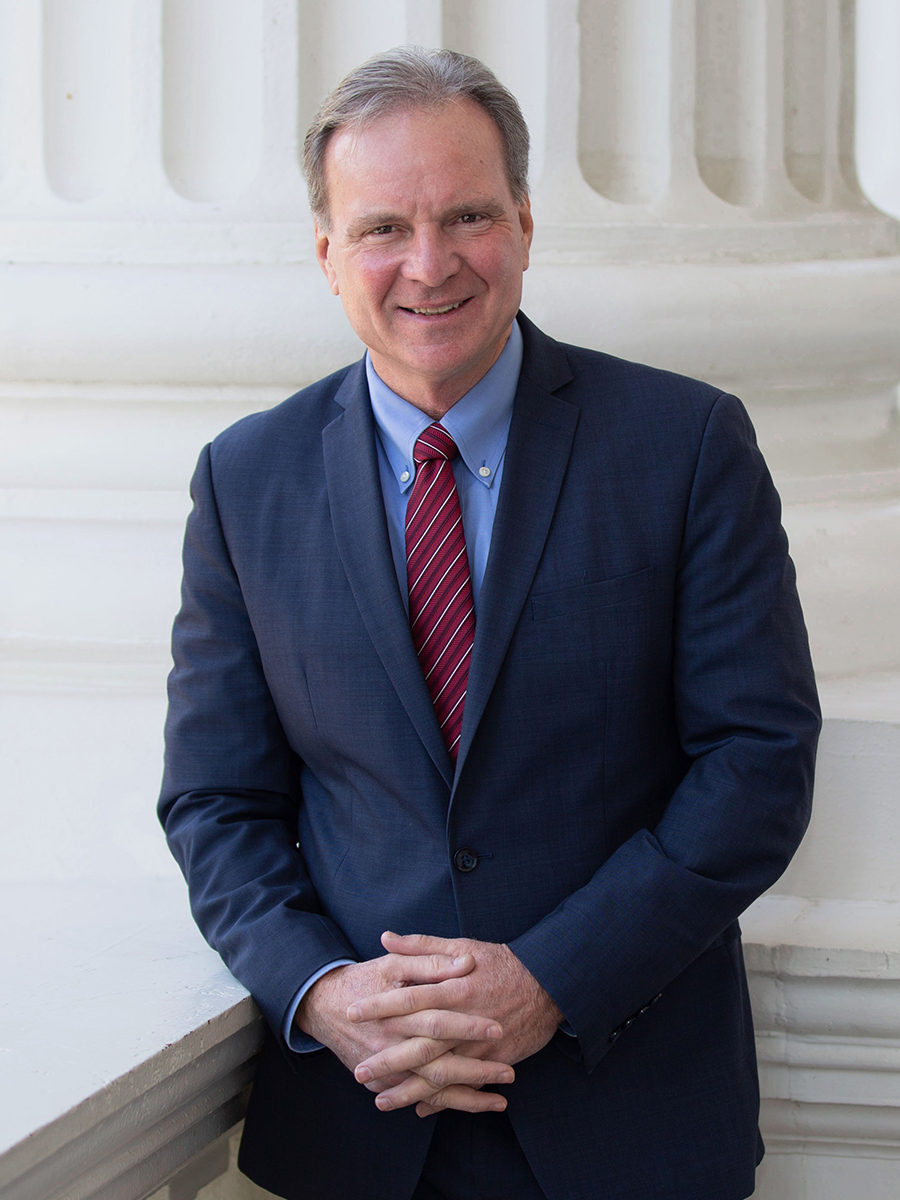
Dave Cortese
DDemocratic
Co

Henry Stern
DDemocratic
Co
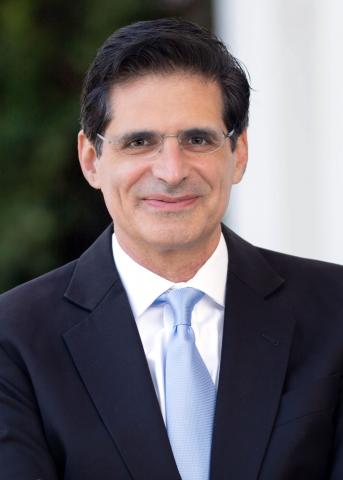
Josh Becker
DDemocratic
Ask Maddy
·
AI policy assistant
Ask Maddy about AB 1944
Scope: CA
Hi! I can help you understand AB 1944. What would you like to know?
Try one of these
i
Maddy answers using official bill text and legislative records. Always verify before sharing.
Sources cited inline