

Energy: transportation sector: hydrogen.
Summary
Under existing law, the Public Utilities Commission (PUC) has regulatory authority over public utilities, including electrical corporations, while local publicly owned electric utilities are under the direction of their governing boards. Existing law requires the PUC and the State Energy Resources Conservation and Development Commission (Energy Commission) to undertake specified actions to advance the state's clean energy and pollution reduction objectives, including, where feasible, cost effective, and consistent with other state policy objectives, to increase the use of large- and small-scale energy storage with a variety of technologies, including green electrolytic hydrogen, targeted energy efficiency, demand response, eligible renewable energy resources or other renewable and nonrenewable technologies with zero or lowest feasible emissions of greenhouse gases, criteria pollutants, and toxic air contaminants onsite to protect system reliability. For these purposes, "green electrolytic hydrogen" is defined as hydrogen gas produced through electrolysis and not from fossil fuel. Existing law requires the PUC, State Air Resources Board (state board) , and Energy Commission to consider green electrolytic hydrogen as an eligible form of energy storage, and to consider other potential uses of green electrolytic hydrogen. This bill would include use of green electrolytic hydrogen as an alternative transportation fuel as another potential use for these purposes. The Charge Ahead California Initiative, administered by the State Air Resources Board (state board) , among other things, requires the state board to identify and adopt appropriate policies, rules, or regulations to remove regulatory disincentives preventing certain retail sellers of electricity from facilitating the achievement of greenhouse gas emission reductions in nonelectrical industry sectors through increased investments in transportation electrification. Existing law, enacted as part of the Clean Energy and Pollution Reduction Act of 2015, requires the PUC, in consultation with the Energy Commission and state board, to direct electrical corporations to file applications for programs and investments to accelerate widespread transportation electrification, as defined, to achieve specified results. The PUC is required to approve, or modify and approve, programs and investments in transportation electrification, including those that deploy charging infrastructure, through a reasonable cost recovery mechanism, if they meet specified requirements. This bill would revise the definition of "transportation electrification" for this purpose to include the use of renewable hydrogen when used directly as a transportation fuel in fuel cell electric vehicles, if the hydrogen meets specified renewable content requirements. The bill would require the PUC, in consultation with the state board and the Energy Commission, to authorize gas corporations to file applications for investments in programs to accelerate widespread transportation electrification to advance specified environmental objectives. The bill would require the PUC to approve, or modify and approve, programs and investments in transportation electrification, including hydrogen and hydrogen-related distribution, pipelines, and make-ready infrastructure for hydrogen, utilizing a reasonable cost recovery mechanism if they are consistent with the specified environmental objectives, do not unfairly compete with nonutility enterprises, include performance accountability measures, and are in the interest of ratepayers, as defined. Existing law generally designates the state board as the state agency with the primary responsibility for the control of vehicular air pollution and requires the state board, in partnership with the Energy Commission and in conjunction with other state agencies, to develop and adopt a state plan to increase the use of alternative fuels, as defined. Existing law requires the state board to adopt regulations that will ensure that, in any year immediately following a 12-month period in which the mass of hydrogen fuel dispensed for transportation purposes in California exceeds 3,500 metric tons, no less than 33.3% of the hydrogen produced or dispensed in California for motor vehicles be made from eligible renewable energy resources, as defined. This bill would require those regulations to require that, on a statewide basis, not less than 33.3% of the hydrogen produced or dispensed in California for motor vehicles be renewable hydrogen, as defined. The bill would require that the renewable hydrogen percentage be increased to 44% by December 31, 2024, 52% by December 31, 2027, 60% by December 31, 2030, and would require that by December 31, 2045, 100% of the hydrogen produced or dispensed in California for motor vehicles be either renewable hydrogen or clean hydrogen produced using zero-carbon resources. Existing law requires that the governing board of a local publicly owned electric utility with an annual electrical demand exceeding 700 gigawatthours adopt an integrated resource plan and a process for updating the plan at least once every 5 years to ensure the utility achieves specified objectives. Existing law requires that the integrated resource plan address procurement of, among other things, transportation electrification and a diversified procurement portfolio consisting of both short-term and long-term electricity, electricity-related, and demand response products. By expanding the definition of transportation electrification the bill would expand the matter that a local publicly owned electric utility must consider when updating an integrated resource plan, thereby imposing a state-mandated local program. The California Constitution requires the state to reimburse local agencies and school districts for certain costs mandated by the state. Statutory provisions establish procedures for making that reimbursement. This bill would provide that no reimbursement is required by this act for a specified reason.
Bill status
passed
3 of 5 stages cleared
Introduction
Feb 2019
Committee Review
Jun 2019
Senate Passage
May 2019
Assembly Passage
Governor
Introduced Feb 22, 2019
Last action Jun 25, 2020
Floor votes · Senate May 22, 2019
How they voted
29–4
Passed · 2 other
Total votes 35
May 22, 2019
D
Democratic27
100% Yea
R
Republican8
50% Nay
Vote distribution
All Yea
All Nay
Mixed
No data
Full legislative history
Actions timeline
Total actions
22
Key actions
5
Committee
6
Jun 13, 2019
Committee
Referred to Coms. on U. & E. and TRANS.
lower
May 22, 2019
Upper · Passed
Read third time. Passed. (Ayes 31. Noes 5. Page 1215.) Ordered to the Assembly.
upper
May 16, 2019
Upper · Passed
From committee: Do pass. (Ayes 5. Noes 1. Page 1106.) (May 16).
upper
Apr 29, 2019
Upper · Passed
From committee: Do pass as amended and re-refer to Com. on APPR. (Ayes 9. Noes 3. Page 806.) (April 23).
upper
Apr 11, 2019
Upper · Passed
From committee: Do pass as amended and re-refer to Com. on TRANS. (Ayes 11. Noes 1. Page 651.) (April 10).
upper
Mar 25, 2019
Upper · Passed
April 2 hearing postponed by committee.
upper
Mar 14, 2019
Committee
Referred to Coms. on E., U. & C. and TRANS.
upper
Feb 22, 2019
Introduced
Introduced. To Com. on RLS. for assignment. To print.
upper
1 primary · 2 co-sponsors
Sponsors
Role
Legislator
Party
State
District
P
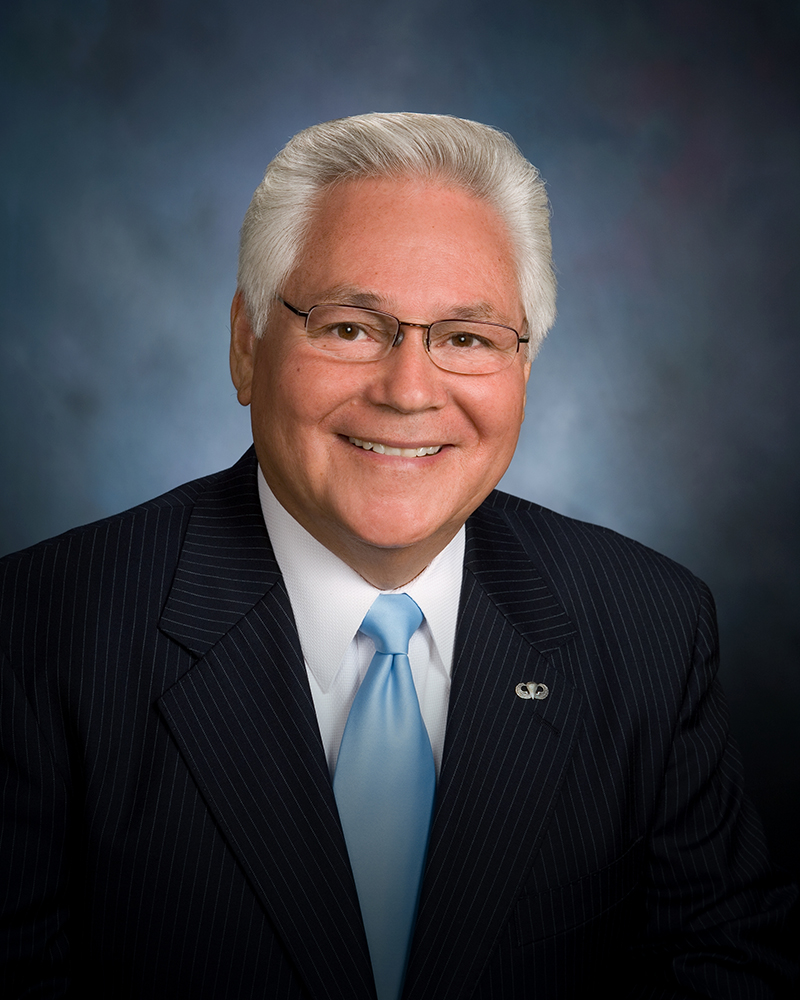
Bob Archuleta
DDemocratic
Co
Chad Mayes
IIndependent
Co

Henry Stern
DDemocratic
Ask Maddy
·
AI policy assistant
Ask Maddy about SB 662
Scope: CA
Hi! I can help you understand SB 662. What would you like to know?
Try one of these
i
Maddy answers using official bill text and legislative records. Always verify before sharing.
Sources cited inline