

Animals: blood, blood components, and biologics.
Summary
Existing law, the Veterinary Medicine Practice Act, provides for the licensure and regulation of veterinary medicine by the Veterinary Medical Board in the Department of Consumer Affairs. Existing law authorizes the Veterinary Medical Board to deny, revoke, or suspend a license or registration or assess a fine for a violation of specified acts, including the employment of anyone but a veterinarian licensed in this state to demonstrate the use of biologics in the treatment of animals. A violation of the act is a crime. Existing law prohibits a person from engaging in the production of animal blood and blood component products, as defined, for retail sale and distribution except in a commercial blood bank for animals licensed by the Secretary of Food and Agriculture and requires the secretary to license commercial blood banks for animals that meet specified requirements. Existing law exempts licensed private veterinarians who collect blood or blood products solely for use in their own practice from these provisions regulating and licensing commercial blood banks for animals and biologics. Existing law defines animal, for the purposes of these provisions, as any domesticated fowl or nonhuman mammal and any wild fowl, bird, or mammal that is reduced to captivity. A violation of these provisions is a crime. This bill, not withstanding any law, commencing January 1, 2022, would prohibit a person from engaging in the production of canine blood and blood component products or biologics for retail sale and distribution unless that person is licensed as a canine blood bank by the Secretary of Food and Agriculture, among other specified requirements, including the requirement that the operations are performed under the direct supervision of a licensed veterinarian or board-certified specialist. The bill would prohibit a canine blood bank from paying a person for canine blood or blood component products and would require a canine blood bank to keep specified records. By expanding the scope of existing crimes, this bill would impose a state-mandated local program. The California Constitution requires the state to reimburse local agencies and school districts for certain costs mandated by the state. Statutory provisions establish procedures for making that reimbursement. This bill would provide that no reimbursement is required by this act for a specified reason.
Bill status
failed
1 of 4 stages cleared
Introduction
Feb 2019
Committee Review
Floor Vote
Governor
Introduced Feb 4, 2019
Last action Feb 3, 2020
Floor votes
How they voted
No floor votes recorded yet.
Full legislative history
Actions timeline
Total actions
11
Key actions
4
Committee
6
Apr 22, 2019
Lower · Passed
In committee: Set, second hearing. Hearing canceled at the request of author.
lower
Apr 9, 2019
Lower · Passed
In committee: Set, first hearing. Hearing canceled at the request of author.
lower
Mar 26, 2019
Lower · Passed
In committee: Hearing postponed by committee.
lower
Mar 25, 2019
Committee
Re-referred to Com. on AGRI.
lower
Feb 15, 2019
Committee
Referred to Com. on AGRI.
lower
Feb 5, 2019
Lower · Passed
From printer. May be heard in committee March 7.
lower
1 primary · 7 co-sponsors
Sponsors

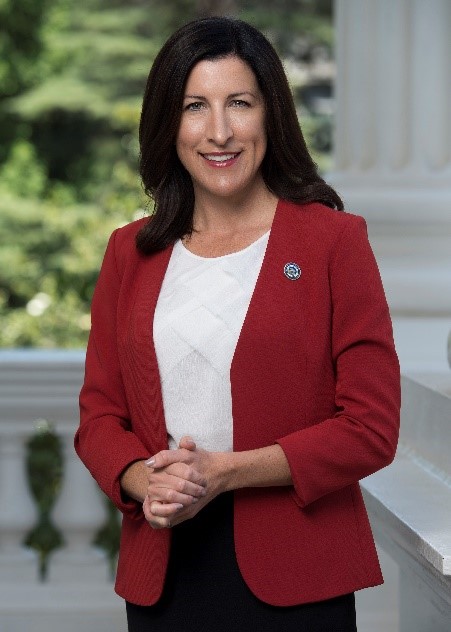




Ask Maddy
·
AI policy assistant
Ask Maddy about AB 366
Scope: CA
Hi! I can help you understand AB 366. What would you like to know?
Try one of these
i
Maddy answers using official bill text and legislative records. Always verify before sharing.
Sources cited inline