

Native American cultural preservation.
Summary
Existing law establishes the Native American Heritage Commission and vests the commission with specified powers and duties. Existing law requires the commission to publish a document that lists the California Indian tribes as well as to consult in matters pertaining to repatriation under the act. The California Native American Graves Protection and Repatriation Act of 2001 requires all agencies and museums that receive state funding and have possession or control over collections of California Native American human remains and associated funerary objects to inventory those remains and objects for repatriation to the appropriate California Indian tribes, as specified. The act requires those entities to complete an inventory and summary of those objects, as specified, and to provide the inventories and summaries to the commission. The act provides a process by which a California Indian tribe can request the return of human remains and cultural items. The act defines various terms, including "California Indian tribe" and "museum." The act defines "California Indian tribe" as a tribe that either meets the federal definition of Indian tribe or that is indigenous to California and is not reorganized by the federal government, is listed on the Bureau of Indian Affairs Branch Acknowledgment and Research petitioner list, and is determined by the commission to be a tribe that is eligible to participate in the repatriation process under the act. The act defines "museum" as an entity, including a higher educational institution, excluding school districts, that receives state funds. This bill would revise various definitions, including, among others, the definition of "California Indian tribe" to include both a tribe that meets the federal definition of Indian tribe and a tribe that is not recognized by the federal government, but that is a native tribe located in California that is on the list maintained by the commission; the definition of "museum" to specify it receives state funds; the definition of "preponderance of the evidence" to specify that tribal traditional knowledge alone may be sufficient to meet this standard; and the definition of "reasonable" to specify that tribal traditional knowledge can and should be used to establish reasonable conclusions with respect to determining cultural affiliation and identifying cultural items. This bill would revise and recast the process of creating the inventories and summaries by, among other things, requiring consultation with California Indian tribes during the creation of the preliminary inventories and summaries and after submission to the commission. The bill also would revise and recast the process by which a direct lineal descendent or a California Indian tribe can request the return of human remains or cultural items. The bill would make technical, nonsubstantive changes. This bill would require every state agency, as defined, with significant interaction with tribal issues, peoples, or lands, and request the Regents of the University of California, to designate one or more liaisons for the purpose of engaging in consultation with California Native American tribes on the tribal contact list and educating the agency on topics relevant to the state's relationship with those tribes.
Bill status
signed
all 5 stages cleared
Introduction
Jan 2019
Committee Review
Aug 2020
Assembly Passage
May 2019
Senate Passage
Aug 2020
Signed into Law
Sep 2020
Introduced Jan 28, 2019
Signed Sep 25, 2020
Floor votes · Senate Aug 30, 2020 · Assembly May 23, 2019
How they voted
35–0
Passed
Total votes 35
Aug 30, 2020
D
Democratic26
100% Yea
R
Republican9
100% Yea
Vote distribution
All Yea
All Nay
Mixed
No data
Full legislative history
Actions timeline
Total actions
32
Key actions
13
Committee
11
Amendments
7
Sep 25, 2020
Signed into law
Approved by the Governor.
legislature
Aug 30, 2020
Lower · Passed
Senate amendments concurred in. To Engrossing and Enrolling. (Ayes 75. Noes 0. Page 5380.).
lower
Aug 30, 2020
Introduced
In Assembly. Concurrence in Senate amendments pending.
lower
Aug 30, 2020
Upper · Passed
Read third time. Passed. Ordered to the Assembly. (Ayes 39. Noes 0.).
upper
Aug 25, 2020
Upper · Passed
Read third time and amended. Ordered to second reading.
upper
Aug 20, 2020
Upper · Passed
From committee: Do pass. (Ayes 7. Noes 0.) (August 20).
upper
Aug 19, 2020
Committee
In committee: Referred to APPR. suspense file.
upper
Aug 7, 2019
Upper · Passed
In committee: Hearing postponed by committee.
upper
Jul 9, 2019
Upper · Passed
From committee: Do pass and re-refer to Com. on APPR. with recommendation: To Consent Calendar. (Ayes 15. Noes 0.) (July 9). Re-referred to Com. on APPR.
upper
Jun 6, 2019
Committee
Referred to Com. on G.O.
upper
May 23, 2019
Lower · Passed
Read third time. Passed. Ordered to the Senate. (Ayes 78. Noes 0. Page 1924.)
lower
May 17, 2019
Lower · Passed
Read second time and amended. Ordered returned to second reading.
lower
May 16, 2019
Lower · Passed
From committee: Amend, and do pass as amended. (Ayes 18. Noes 0.) (May 16).
lower
May 8, 2019
Committee
In committee: Set, first hearing. Referred to APPR. suspense file.
lower
Apr 30, 2019
Committee
Re-referred to Com. on APPR.
lower
Apr 29, 2019
Lower · Passed
Read second time and amended.
lower
Apr 25, 2019
Lower · Passed
From committee: Amend, and do pass as amended and re-refer to Com. on APPR. (Ayes 7. Noes 0.) (April 23).
lower
Apr 23, 2019
Committee
Re-referred to Com. on A.,E.,S.,T., & I.M.
lower
Mar 27, 2019
Committee
Re-referred to Com. on A.,E.,S.,T., & I.M.
lower
Mar 25, 2019
Committee
Referred to Coms. on A.,E.,S.,T., & I.M. and NAT. RES.
lower
Jan 29, 2019
Lower · Passed
From printer. May be heard in committee February 28.
lower
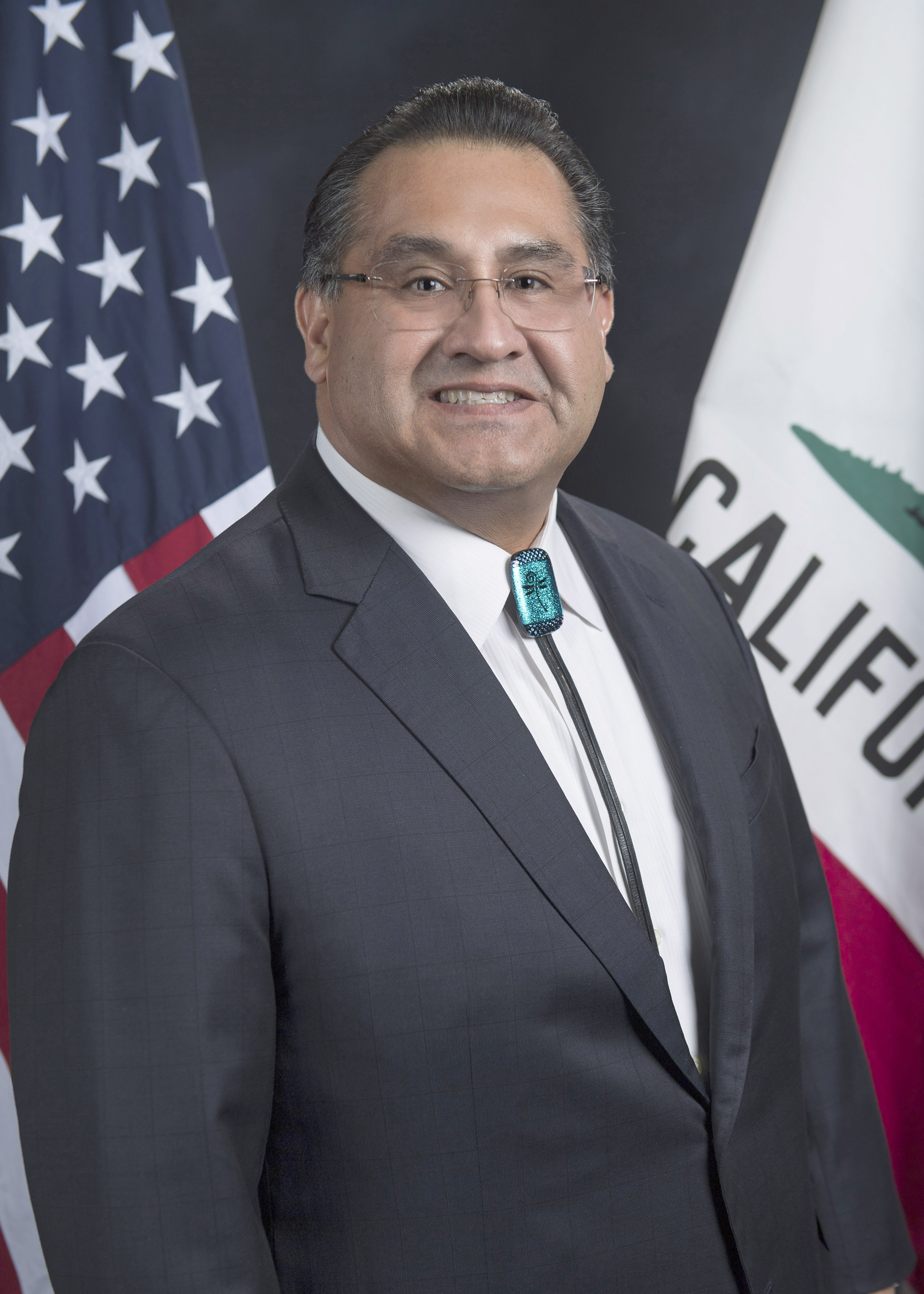
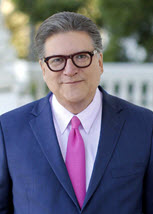
1 primary · 1 co-sponsor
Sponsors
Ask Maddy
·
AI policy assistant
Ask Maddy about AB 275
Scope: CA
Hi! I can help you understand AB 275. What would you like to know?
Try one of these
i
Maddy answers using official bill text and legislative records. Always verify before sharing.
Sources cited inline