

Driving under the influence: ignition interlock device.
Summary
Existing law requires the Department of Motor Vehicles to immediately suspend a person's privilege to operate a motor vehicle for a specified period of time if the person has been convicted of driving a motor vehicle when the person had a certain blood-alcohol concentration. Existing law authorizes certain individuals, whose privilege is suspended pursuant to that provision to receive a restricted driver's license if specified requirements are met, including the elapse of specified periods of license suspension or revocation. Existing law also requires the department to immediately suspend or revoke a person's privilege to operate a motor vehicle if the person has been convicted of violating specified provisions prohibiting driving a motor vehicle under the influence of an alcoholic beverage or drug or the combined influence of an alcoholic beverage and drug, or with 0.08% or more, by weight, of alcohol in his or her blood or while addicted to the use of any drug, with or without bodily injury to another. Existing law authorizes certain individuals whose privilege is suspended or revoked pursuant to that provision to receive a restricted driver's license if specified requirements are met, including the elapse of specified periods of license suspension or revocation and, in some instances, the installation of an ignition interlock device on the person's vehicle. Existing law does not permit a person who has been convicted of a first offense of driving a motor vehicle under the influence, with injury, to receive a restricted driver's license. Existing law also requires the Department of Motor Vehicles to establish a pilot program from July 1, 2010, to July 1, 2017, inclusive, in the Counties of Alameda, Los Angeles, Sacramento, and Tulare that requires, as a condition of being issued a restricted driver's license, being reissued a driver's license, or having the privilege to operate a motor vehicle reinstated subsequent to a conviction for any violation of the above offenses, a person to install for a specified period of time an ignition interlock device on all vehicles he or she owns or operates. Under existing law, the amount of time the ignition interlock device is required to be installed is based upon the number of prior convictions suffered by the individual, as prescribed. This bill would extend the pilot program in those counties until January 1, 2019. Effective January 1, 2019, and until January 1, 2026, the bill would make an individual whose license has been suspended for driving a motor vehicle when he or she has a certain blood-alcohol concentration and who is eligible for a restricted driver's license eligible for a restricted driver's license without serving any period of the suspension if the person meets all other eligibility requirements and the person installs an ignition interlock device. The bill would authorize that individual to install an ignition interlock device prior to the effective date of the suspension and would require the individual to receive credit towards the mandatory term to install an ignition interlock device, as specified. The bill would require the department to immediately reinstate the suspension of the privilege to operate a motor vehicle upon receipt of notification that a person has engaged in certain activities, including, among others, attempted to remove, bypass, or tamper with the ignition interlock device. The bill would also require, commencing January 1, 2019, and until January 1, 2026, a person who has been convicted of driving a motor vehicle under the influence of an alcoholic beverage, as specified, to install for a specified period of time an ignition interlock device on the vehicle, as ordered by the court, that is the vehicle that he or she operates. The bill would, commencing January 1, 2019, and until January 1, 2026, also authorize a person convicted of driving a motor vehicle under the influence, including a person who was convicted of a first offense of driving a motor vehicle under the influence, with injury, if all other requirements are satisfied, including the installation of an ignition interlock device, to apply for a restricted driver's license without completing a period of license suspension or revocation. The bill would require the department to, if a person maintains an ignition interlock device for the specified required time, reinstate the person's privilege to operate a motor vehicle at the time the other reinstatement requirements are satisfied. The bill would, commencing January 1, 2019, and until January 1, 2026, authorize a court to require a person convicted of a specified type of reckless driving to install a certified ignition interlock device on any vehicle that the person operates and prohibit that person from operating a motor vehicle unless that vehicle is equipped with a functioning, certified ignition interlock device for a specified period of time. The bill would require the Transportation Agency to issue a report to the Legislature by January 1, 2025, regarding the implementation and efficacy of these provisions. The bill would reinstate current law as described above as of January 1, 2026. The bill would also make conforming and clarifying changes. By specifying that certain crimes relating to ignition interlock devices apply when an ignition interlock device is installed pursuant to the provisions of this bill, this bill would impose a state-mandated local program. Existing law establishes the Bureau of Electronic and Appliance Repair, Home Furnishings, and Thermal Insulation under the supervision and control of the Director of Consumer Affairs and requires the director to administer and enforce provisions relating to the registration of electronic and appliance repair service dealers. Existing law authorizes the director to deny, suspend, revoke, or place on probation the registration of a service dealer for any of certain acts, as specified. Existing law authorizes a service dealer licensed under these provisions to install, calibrate, service, maintain, and monitor ignition interlock devices. A violation of these provisions is punishable as a misdemeanor. Existing law, the Automotive Repair Act, establishes the Bureau of Automotive Repair under the supervision and control of the Director of Consumer Affairs and provides for the registration and regulation of automotive repair dealers. Existing law requires the bureau to adopt standards for installation, maintenance, and servicing of ignition interlock devices by automotive repair dealers, and existing regulations authorizes automotive repair dealers to install, maintain, and service an ignition interlock device. Existing law authorizes the director to deny, suspend, revoke, or place on probation the registration of an automotive repair dealer for certain acts, as specified. A violation of the act is a crime. This bill would authorize the director to issue a citation to, or suspend, revoke, or place on probation the registration of an automotive repair dealer or service dealer who installs, calibrates, services, maintains, or monitors ignition interlock devices if the automotive repair dealer or service dealer is not in compliance with specified provisions relating to payment for the costs of an ignition interlock device and would require an automotive repair dealer or service dealer to provide that information to an individual receiving ignition interlock device services. By expanding the definition of a crime, the bill would impose a state-mandated local program. The bill would require, commencing January 1, 2019, until January 1, 2026, an ignition interlock device manufacturer to be in compliance with specified provisions relating to payment for the costs of an ignition interlock device and would require those manufacturers to provide information to an individual who is required to install an ignition interlock device pursuant to a restricted driver's license. The bill would make a violation of those requirements subject to a civil assessment not exceeding $1,000, as specified. The California Constitution requires the state to reimburse local agencies and school districts for certain costs mandated by the state. Statutory provisions establish procedures for making that reimbursement. This bill would provide that no reimbursement is required by this act for a specified reason.
Bill status
signed
all 5 stages cleared
Introduction
Feb 2016
Committee Review
Aug 2016
Senate Passage
May 2016
Assembly Passage
Aug 2016
Signed into Law
Sep 2016
Introduced Feb 12, 2016
Signed Sep 28, 2016
Floor votes · Senate May 31, 2016 · Assembly Aug 23, 2016
How they voted
33–0
Passed
Total votes 33
May 31, 2016
D
Democratic23
100% Yea
R
Republican10
100% Yea
Vote distribution
All Yea
All Nay
Mixed
No data
Full legislative history
Actions timeline
Total actions
39
Key actions
8
Committee
15
Amendments
2
Sep 28, 2016
Signed into law
Approved by the Governor.
legislature
Aug 25, 2016
Upper · Passed
Assembly amendments concurred in. (Ayes 39. Noes 0. Page 5402.) Ordered to engrossing and enrolling.
upper
Aug 23, 2016
Assembly · Passed
Assembly Vote: pass (71-0)
assembly
Aug 23, 2016
Introduced
In Senate. Concurrence in Assembly amendments pending.
upper
Aug 15, 2016
Lower · Passed
Read second time and amended. Ordered to second reading.
lower
Aug 12, 2016
Lower · Passed
From committee: Do pass as amended. (Ayes 20. Noes 0.) (August 11).
lower
Aug 1, 2016
Committee
From committee with author's amendments. Read second time and amended. Re-referred to Com. on APPR.
lower
Jun 28, 2016
Committee
From committee: Do pass and re-refer to Com. on APPR. (Ayes 16. Noes 0.) (June 28). Re-referred to Com. on APPR.
lower
Jun 27, 2016
Committee
From committee: Do pass and re-refer to Com. on B. & P. (Ayes 10. Noes 0.) (June 27). Re-referred to Com. on B. & P.
lower
Jun 23, 2016
Committee
Re-referred to Coms. on TRANS. and B. & P. pursuant to Assembly Rule 96.
lower
Jun 21, 2016
Lower · Passed
June 21 hearing postponed by committee.
lower
Jun 16, 2016
Committee
Re-referred to Coms. on B. & P. and TRANS. pursuant to Assembly Rule 96.
lower
Jun 8, 2016
Committee
From committee with author's amendments. Read second time and amended. Re-referred to Com. on PUB. S.
lower
Jun 6, 2016
Committee
Referred to Coms. on PUB. S. and B. & P.
lower
May 31, 2016
Senate · Passed
Senate Vote: pass (33-0)
senate
May 27, 2016
Upper · Passed
From committee: Do pass. (Ayes 7. Noes 0. Page 4002.) (May 27).
upper
Apr 13, 2016
Committee
From committee with author's amendments. Read second time and amended. Re-referred to Com. on APPR.
upper
Mar 29, 2016
Committee
From committee: Do pass and re-refer to Com. on APPR. (Ayes 7. Noes 0. Page 3313.) (March 29). Re-referred to Com. on APPR.
upper
Mar 17, 2016
Committee
From committee with author's amendments. Read second time and amended. Re-referred to Com. on PUB. S.
upper
Feb 25, 2016
Committee
Referred to Com. on PUB. S.
upper
Feb 12, 2016
Introduced
Introduced. Read first time. To Com. on RLS. for assignment. To print.
upper
1 primary · 18 co-sponsors
Sponsors
Role
Legislator
Party
State
District
P

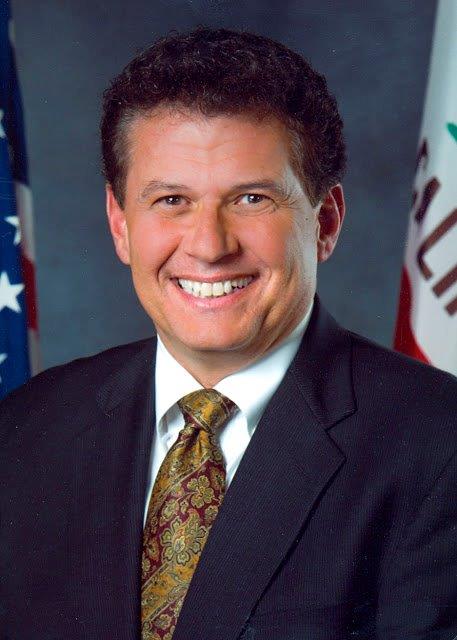
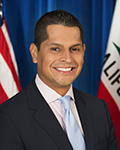
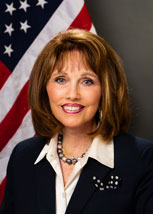
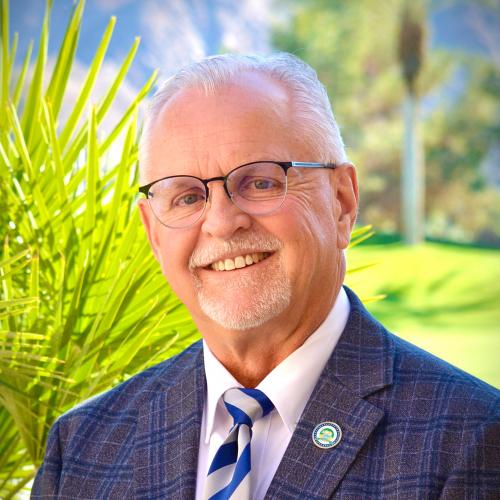
Jerry Hill
DDemocratic
Co
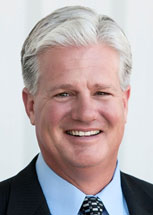
Andy Vidak
RRepublican
Co

Anthony Cannella
RRepublican
Co
BM
Brian Maienschein
DDemocratic
Co

Catharine B. Baker
RRepublican
Co

Ed Chau
DDemocratic
Co
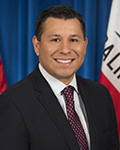
Eduardo Garcia
DDemocratic
Co
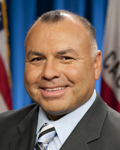
Freddie Rodriguez
DDemocratic
Co
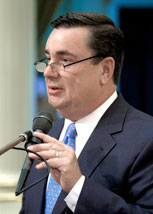
Joel Anderson
RRepublican
Co

Ken Cooley
DDemocratic
Co

Lorena Gonzalez
DDemocratic



Ask Maddy
·
AI policy assistant
Ask Maddy about SB 1046
Scope: CA
Hi! I can help you understand SB 1046. What would you like to know?
Try one of these
i
Maddy answers using official bill text and legislative records. Always verify before sharing.
Sources cited inline