

Communications: service interruptions.
Summary
Existing law provides that an agent, operator, or employee of a telegraph or telephone office who willfully refuses or neglects to send a message received by the office is guilty of a misdemeanor. Existing law provides that these requirements are not applicable when charges for transmittal or delivery of the message have not been paid or tendered, for messages counseling, aiding, abetting, or encouraging treason or resistance to lawful authority, to a message calculated to further any fraudulent plan or purpose, to a message instigating or encouraging the perpetration of any unlawful act, or to a message facilitating the escape of any criminal or person accused of crime. This bill would retain the provision that the above-described requirements are not applicable when payment for charges for transmittal or delivery of the message has not been paid or tendered, but would delete the other enumerated exceptions. Existing law provides that where a law enforcement official has probable cause to believe that a person is holding hostages and is committing a crime, or is barricaded and is resisting apprehension through the use or threatened use of force, the official may order a previously designated telephone corporation security employee to arrange to cut, reroute, or divert telephone lines, as specified. This bill would recast this provision. With certain exceptions, this bill would prohibit a governmental entity, as defined, and a provider of communications service, as defined, acting at the request of a governmental entity, from undertaking to interrupt communications service, as defined, for the purpose of protecting public safety or preventing the use of communications service for an illegal purpose, except pursuant to an order signed by a judicial officer, as defined, that makes specified findings. The bill would require the order to clearly describe the specific service to be interrupted with sufficient detail as to customer, cell sector, central office, or geographical area affected, be narrowly tailored to the specific circumstances under which the order is made, and would require that the order not interfere with more communication than is necessary to achieve the purposes of the order. The bill would allow the order to authorize an interruption of service only for as long as is reasonably necessary, require that the interruption cease once the danger that justified the interruption is abated, and require the order to specify a process to immediately serve notice on the communication service provider to cease the interruption. The bill would provide that a good faith reliance upon an order of a judicial officer, a signed statement of intent to apply for a court order, as prescribed, or a request to cut, reroute, or divert lines made by a designated police officer who is authorized to use an electronic amplifying or recording device in an emergency situation that involves the taking of a hostage or the barricading of a location pursuant to a specified provision of the Penal Code, constitutes a complete defense for any communications services provider against any action brought as a result of the cutting, rerouting, or diversion of lines as requested by that officer. The bill would also find and declare that ensuring that California users of any communications service not have this service interrupted and thereby be deprived of a means to connect with the state's 911 emergency services or be deprived of a means to engage in constitutionally protected expression, is a matter of statewide concern, and not a municipal affair, as provided.
Bill status
vetoed
4 of 5 stages cleared
Introduction
Feb 2012
Committee Review
Aug 2012
Senate Passage
Aug 2012
Assembly Passage
Aug 2012
Vetoed
Sep 2012
Introduced Feb 22, 2012
Vetoed Sep 29, 2012
Floor votes · Senate May 25, 2012 · Assembly Aug 28, 2012
How they voted
26–0
Passed · 5 other
Total votes 31
May 25, 2012
D
Democratic20
80% Yea
R
Republican11
90% Yea
Vote distribution
All Yea
All Nay
Mixed
No data
Full legislative history
Actions timeline
Total actions
37
Key actions
7
Committee
6
Amendments
4
Sep 29, 2012
Vetoed
In Senate. Consideration of Governor's veto pending.
upper
Sep 29, 2012
Vetoed
Vetoed by the Governor.
upper
Aug 29, 2012
Upper · Passed
Assembly amendments concurred in. (Ayes 33. Noes 0. Page 4972.) Ordered to engrossing and enrolling.
upper
Aug 28, 2012
Assembly · Passed
Assembly Vote: pass (67-0-3)
assembly
Aug 28, 2012
Introduced
In Senate. Concurrence in Assembly amendments pending.
upper
Aug 23, 2012
Upper · Passed
Action rescinded whereby the Assembly amendments were concurred in.
upper
Aug 13, 2012
Upper · Passed
Assembly amendments concurred in. (Ayes 35. Noes 0. Page 4467.) Ordered to engrossing and enrolling.
upper
Aug 9, 2012
Introduced
In Senate. Concurrence in Assembly amendments pending.
upper
Jul 3, 2012
Lower · Passed
From committee: Do pass as amended. (Ayes 10. Noes 0.) (July 3).
lower
Jun 27, 2012
Committee
From committee: Do pass and re-refer to Com. on JUD. (Ayes 13. Noes 0.) (June 25). Re-referred to Com. on JUD.
lower
Jun 7, 2012
Committee
Referred to Coms. on U. & C. and JUD.
lower
May 25, 2012
Senate · Passed
Senate Vote: pass (26-0-5)
senate
May 14, 2012
Upper · Passed
From committee: Do pass as amended. (Ayes 5. Noes 0. Page 3459.) (May 8).
upper
Apr 17, 2012
Committee
From committee: Do pass and re-refer to Com. on JUD. (Ayes 13. Noes 0. Page 3205.) (April 17). Re-referred to Com. on JUD.
upper
Mar 1, 2012
Committee
Referred to Coms. on E., U. & C. and JUD.
upper
Feb 22, 2012
Introduced
Introduced. Read first time. To Com. on RLS. for assignment. To print.
upper
1 primary · 0 co-sponsors
Sponsors
Role
Legislator
Party
State
District
P
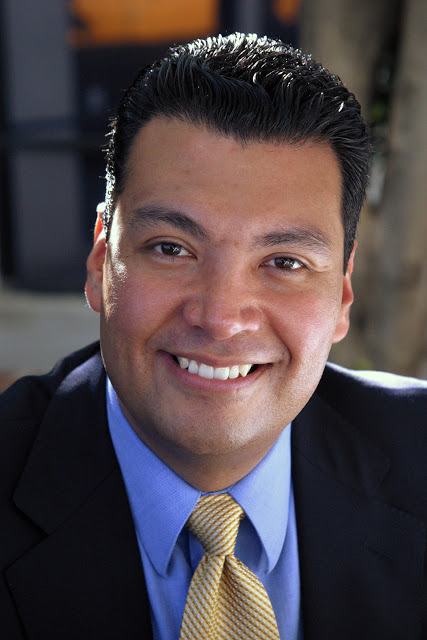
Alex Padilla
DDemocratic
Ask Maddy
·
AI policy assistant
Ask Maddy about SB 1160
Scope: CA
Hi! I can help you understand SB 1160. What would you like to know?
Try one of these
i
Maddy answers using official bill text and legislative records. Always verify before sharing.
Sources cited inline