

Income and corporations tax: hiring and career credits.
Summary
(1) The Personal Income Tax Law and The Corporation Tax Law authorize various credits against the taxes imposed by those laws. This bill, in accordance with legislative findings contained in this bill and for calendar years beginning on or after January 1, 2011, would, for a business entity, as described, that provides career technical education, authorize a credit against those taxes, subject to specified limitations, in an amount equal to that reserved and allocated by the Superintendent of Public Instruction. This bill would impose specified duties on the Superintendent of Public Instruction, the Franchise Tax Board, and the State Board of Equalization in administering the credits. (2) The Personal Income Tax Law and the Corporation Tax Law authorize various credits against the taxes imposed by those laws, including a hiring credit for qualified taxpayers who hire qualified employees, as defined, within enterprise zones, subject to specific criteria. Qualified employees includes, for purposes of the credit, an ex-offender, as defined. Existing law requires a taxpayer to obtain, from specified agencies, a certification providing that a qualified employee meets the requirements of the credit. This bill would, for taxable years beginning on or after January 1, 2011, revise the definition of "qualified employee" for this purpose, by providing that an ex-offender includes an individual who has been convicted of a felony or a misdemeanor offense punishable by incarceration, or a person charged with a felony or misdemeanor punishable by incarceration but placed on probation without a finding of guilt, with specified exclusions. This bill would also, for taxable years beginning on or after January 1, 2011, revise the definition of "qualified employee" by removing, as an element of eligibility as a qualified employee, residency in a targeted employment or targeted tax area. Additionally, this bill would require taxpayers to apply for, and obtain, the certification of a qualified employee within 42 days of the date of hire of the qualified employee. This bill would also make technical, nonsubstantive changes to remove obsolete references in the credit provisions. This bill would take effect immediately as a tax levy.
Bill status
failed
3 of 5 stages cleared
Introduction
Feb 2010
Committee Review
May 2010
Senate Passage
Jun 2010
Assembly Passage
Governor
Introduced Feb 8, 2010
Last action Nov 30, 2010
Floor votes · Senate Jun 3, 2010
How they voted
20–13
Passed · 1 other
Total votes 34
Jun 3, 2010
D
Democratic23
86% Yea
R
Republican11
90% Nay
Vote distribution
All Yea
All Nay
Mixed
No data
Full legislative history
Actions timeline
Total actions
25
Key actions
3
Committee
4
Amendments
1
Jun 3, 2010
Senate · Passed
Senate Vote: pass (20-13-1)
senate
May 27, 2010
Upper · Passed
From committee: Do pass. (Ayes 7. Noes 3. Page 3670.)
upper
May 19, 2010
Committee
Read second time. Amended. Re-referred to Com. on APPR.
upper
May 18, 2010
Upper · Passed
From committee: Do pass as amended, but first amend, and re-refer to Com. on APPR. (Ayes 3. Noes 1. Page 3548.)
upper
Apr 22, 2010
Committee
From committee: Do pass, but first be re-referred to Com. on REV. & TAX. (Ayes 8. Noes 0. Page 3294.) Re-referred to Com. on REV. & TAX.
upper
Apr 8, 2010
Committee
Re-referred to Coms. on ED. and REV. & TAX.
upper
Feb 8, 2010
Introduced
Introduced. Read first time. To Com. on RLS. for assignment. To print.
upper
1 primary · 3 co-sponsors
Sponsors
Role
Legislator
Party
State
District
P
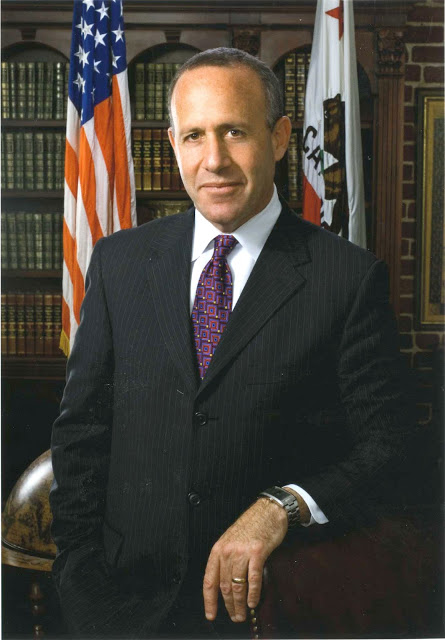
Darrell Steinberg
DDemocratic
Co
EA
Elaine Alquist
DDemocratic
Co
GR
Gloria Romero
DDemocratic
Co

Loni Hancock
DDemocratic
Ask Maddy
·
AI policy assistant
Ask Maddy about SB 974
Scope: CA
Hi! I can help you understand SB 974. What would you like to know?
Try one of these
i
Maddy answers using official bill text and legislative records. Always verify before sharing.
Sources cited inline