

Local planning: housing element.
Summary
(1) Existing law requires certain transportation planning activities by designated regional transportation planning agencies, including development of a regional transportation plan. Certain of these agencies are designated under federal law as metropolitan planning organizations. Existing law requires metropolitan planning organizations to adopt a sustainable communities strategy, subject to specified requirements, as part of a regional transportation plan, which is to be designed to achieve certain targets established by the State Air Resources Board for the reduction of greenhouse gas emissions from automobiles and light trucks in the region. Existing law, to the extent the sustainable communities strategy is unable to achieve the greenhouse gas emissions reduction targets, requires the affected metropolitan planning organization to prepare an alternative planning strategy showing how the targets may be achieved through alternative development patterns, infrastructure, or additional transportation measures or policies. Existing law requires the metropolitan planning organization to conduct at least 2 informational meetings in each county within the region for members of the board of supervisors and city councils on the sustainable communities strategy and alternative planning strategy, if any. Existing law provides that the purpose of the meetings is to present a draft of the sustainable communities strategy to the members of the board of supervisors and the city council members in that county and to solicit and consider their input and recommendations. This bill would instead provide that the purpose of the meeting or meetings is to discuss the sustainable communities strategy and alternative planning strategy, if any, including the key land use and planning assumptions, with the members of the board of supervisors and the city council members in that county and to solicit and consider their input and recommendations. The bill would require the Tahoe Metropolitan Planning Organization to use the Regional Plan for the Lake Tahoe Region as its sustainable communities strategy, if specified requirements are met. (2) The Planning and Zoning Law requires each local government to review its housing element as frequently as appropriate to evaluate specified considerations, and requires specified, different types of local governments to revise the housing elements of their general plans in accordance with specific schedules. This bill would instead require each local government to review its housing element as frequently as appropriate, but no less often than required by a specified schedule. The bill would modify that schedule as it pertains to local governments within the regional jurisdiction of the San Diego Association of Governments to require those governments to adopt the 5th revision of the housing element no later than 18 months after adoption of the first regional transportation plan update to be adopted after September 30, 2010, and would subject those governments to specified requirements relating to the 5th, 6th, and subsequent revisions of the housing element. The bill would also specify the schedule for all local governments to adopt subsequent revisions of the housing element after the 5th revision. The bill would require the Department of Transportation to maintain and publish a current schedule of the estimated regional transportation plan adoption dates and a current schedule of the estimated and actual housing element due dates on its Internet Web site. The bill would also require each council of governments to publish on its Internet Web site the estimated and actual housing element due dates, as published by the department, for the jurisdictions within its region, and to send notice of these dates to interested parties. By adding to the duties of local government officials, this bill would impose a state-mandated local program. (3) The Bagley-Keene Open Meeting Act requires, with specified exceptions, that the meetings of a state body be open and public and that all persons be permitted to attend. Existing law establishes the Strategic Growth Council and requires the council to manage and award grants and loans to support the planning and development of sustainable communities. Existing law also requires the council's meetings to be open to the public and subject to the Bagley-Keene Open Meeting Act. This bill would provide that a meeting of the council, including a meeting related to the development of grant guidelines and policies and the approval of grants, is subject to the Bagley-Keene Open Meeting Act, and that, for the purposes of this provision, "meeting" would not include a meeting at which council members are meeting as members of the Governor's cabinet. (4) The bill also would require that existing law, Chapter 728 of the Statutes of 2008, be known, and would authorize it to be cited, as the Sustainable Communities and Climate Protection Act of 2008. (5) This bill would incorporate additional changes in Section 65583 of the Government Code proposed by AB 720, that would become operative only if AB 720 and this bill are both chaptered and become effective on or before January 1, 2010, and this bill is chaptered last. (6) The California Constitution requires the state to reimburse local agencies and school districts for certain costs mandated by the state. Statutory provisions establish procedures for making that reimbursement. This bill would provide that, if the Commission on State Mandates determines that the bill contains costs mandated by the state, reimbursement for those costs shall be made pursuant to these statutory provisions.
Bill status
signed
all 5 stages cleared
Introduction
Feb 2009
Committee Review
Aug 2009
Senate Passage
Jun 2009
Assembly Passage
Sep 2009
Signed into Law
Oct 2009
Introduced Feb 27, 2009
Signed Oct 11, 2009
Floor votes · Senate Jun 3, 2009 · Assembly Sep 1, 2009
How they voted
22–15
Passed · 1 other
Total votes 38
Jun 3, 2009
D
Democratic24
91% Yea
R
Republican14
100% Nay
Vote distribution
All Yea
All Nay
Mixed
No data
Full legislative history
Actions timeline
Total actions
32
Key actions
9
Committee
6
Amendments
3
Oct 11, 2009
Signed into law
Approved by Governor.
legislature
Sep 8, 2009
Introduced
Senate concurs in Assembly amendments. (Ayes 27. Noes 13. Page 2283.) To enrollment.
upper
Sep 1, 2009
Assembly · Passed
Assembly Vote: pass (43-23-3)
assembly
Aug 20, 2009
Lower · Passed
(Heard in committee on August 19.)
lower
Aug 20, 2009
Lower · Passed
From committee: Do pass. (Ayes 12. Noes 5.)
lower
Jul 13, 2009
Committee
Read second time. Amended. Re-referred to Com. on APPR.
lower
Jul 9, 2009
Lower · Passed
(Heard in committee on July 8.)
lower
Jul 9, 2009
Lower · Passed
From committee: Do pass as amended, but first amend, and re-refer to Com. on APPR. (Ayes 4. Noes 2.)
lower
Jun 3, 2009
Senate · Passed
Senate Vote: pass (22-15-1)
senate
May 19, 2009
Upper · Passed
From committee: Be placed on second reading file pursuant to Senate Rule 28.8.
upper
May 4, 2009
Committee
Read second time. Amended. Re-referred to Com. on APPR.
upper
Apr 30, 2009
Upper · Passed
From committee: Do pass as amended, but first amend, and re-refer to Com. on APPR. (Ayes 6. Noes 3. Page 708.)
upper
Feb 27, 2009
Introduced
Introduced. To Com. on RLS. for assignment. To print.
upper
1 primary · 0 co-sponsors
Sponsors
Role
Legislator
Party
State
District
P
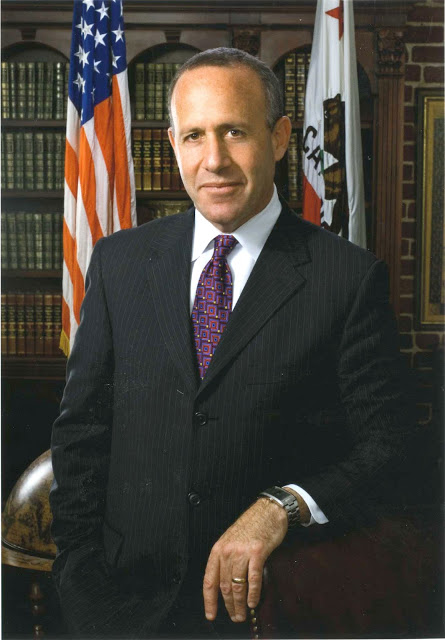
Darrell Steinberg
DDemocratic
Ask Maddy
·
AI policy assistant
Ask Maddy about SB 575
Scope: CA
Hi! I can help you understand SB 575. What would you like to know?
Try one of these
i
Maddy answers using official bill text and legislative records. Always verify before sharing.
Sources cited inline