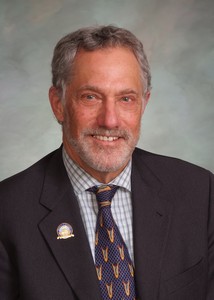
Photo of Andy Schwartz
D Wyoming House · District 23

Rep. Andy Schwartz

Contact Email
Compare
Total votes
942
all sessions
Attendance
99%
4 missed
Higher than 78% of chamber peers
With party
94%
of cast votes
Higher than 86% of chamber peers
Bipartisan score
5%
crosses aisle rarely
Lower than 92% of chamber peers
Sponsored
59
bills & resolutions
Lower than 86% of chamber peers
Committees
0
assignments
59 bills and resolutions

Sponsored bills

Total
59
Primary
24
Co-sponsor
35
This page
59
matching current filters
Co-sponsor HB 55
Signed into law · Wyoming House · Co-sponsor
Liquor licenses-airport exemption.

Maddy summaryHB 55 exempts airports in Wyoming counties outside incorporated cities or towns from a rule limiting retail liquor licenses within five miles of city limits. Normally, such counties could issue no more than three retail liquor licenses in that 5-mile zone, but airports are now allowed to operate liquor sales without counting toward that cap. The bill directly affects airports seeking liquor licenses in rural or unincorporated areas, removing a barrier to serving alcohol on-site. It became effective July 1, 2022, and makes no other changes to liquor licensing rules.

Signed into law Mar 15, 2022 1 co-sponsor
Co-sponsor HB 72
Signed into law · Wyoming House · Co-sponsor
Hunting license application funds.

Maddy summaryHB 72 allows unsuccessful hunting license applicants in Wyoming to choose whether to donate a portion of their refund to specific wildlife funds. Applicants can elect at the time of application to have their refund deposited into either the Wyoming Wildlife and Natural Resource Trust Income Account or the Game and Fish Access Account. The bill requires the department to provide this option on the application form and specifies that administrative costs for these donations will be covered by the trust account. This policy change directly affects hunters who apply for licenses but do not receive them, offering them a voluntary contribution mechanism for conservation funding. The bill became effective July 1, 2022.

Signed into law Mar 15, 2022 1 co-sponsor
Co-sponsor HB 142
Failed · Wyoming House · Co-sponsor
Vacancies in elected office.

Maddy summaryHB 142 updates Wyoming's rules for filling vacancies in elected offices. It requires special elections to fill vacancies for governor, state legislators, and congressional representatives within specific timeframes before general elections (60 days for governor, 3 months for state offices, 6 months for Congress). For district attorney vacancies, county commissioners must appoint replacements following the same process used for legislative vacancies. The bill also clarifies that special elections for congressional seats must occur on the first Tuesday after the 89th day before the general election, and ensures employees get time off to vote in these elections. These changes apply to federal and state offices covered under Wyoming Statutes §22-18-103 through §22-18-109.

Failed Feb 18, 2022 1 co-sponsor
Co-sponsor HB 95
Introduced · Wyoming House · Co-sponsor
State retirement plans-ad hoc payment.

Maddy summaryHB 95 would provide a single, one-time benefit payment to retirees under specific Wyoming public employee retirement plans (including those for state workers, highway patrol, and firefighters). It requires the Wyoming Retirement System Board to study inflation impacts on retirees, current funding levels, and potential adjustments to benefit formulas. The bill mandates a detailed report by September 2022, analyzing plan costs, contribution rates, and whether endowments could fund future cost-of-living adjustments. The bill was introduced in February 2022 but was not considered for passage. It does not change existing benefit restrictions but seeks to address historical payment gaps.

Introduced Feb 18, 2022 1 co-sponsor
Co-sponsor HB 1021
Failed · Wyoming House · Co-sponsor
COVID-19 community response.

Maddy summaryHB 1021 creates Wyoming's Individual and Family COVID-19 Impact Support Program, providing temporary financial assistance to residents affected by the pandemic. The program offers money for essentials like food, medicine, childcare, mental health support, and lost wages, funded by $20 million in unused federal American Rescue Plan Act funds. County commissioners can request support for eligible individuals/families, with benefits distributed through community organizations meeting state standards. The program must be fully implemented by October 1, 2024, using funds specifically designated for pandemic-related hardship relief.

Failed Nov 4, 2021 1 co-sponsor
Showing 1 to 10 of 59 bills
1 2 3 6 Next