Maddy summaryThis House resolution commemorates the 50th anniversary of the first admission of women to the United States service academies in 1976. It specifically honors the pioneering female cadets and midshipmen of the Class of 1980 who entered West Point, Annapolis, the Air Force Academy, and the Coast Guard Academy. The bill recognizes the challenges these early women faced and their role in establishing gender integration within military training institutions. Additionally, it encourages the service academies to continue documenting and preserving the history of women's leadership in the Armed Forces.

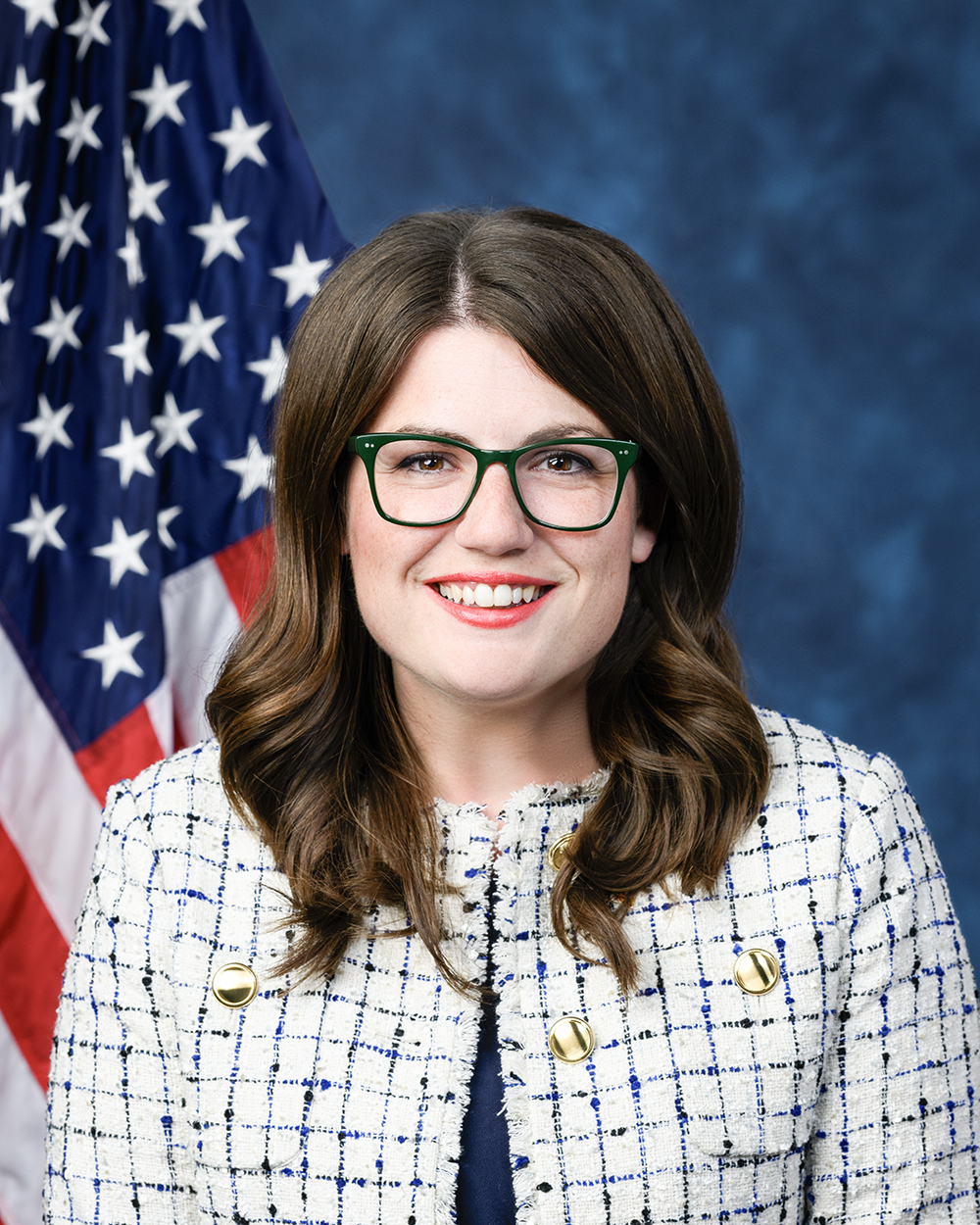
Rep. Sarah Elfreth
Sponsored bills
Maddy summaryThis House resolution marks the 25th anniversary of the September 11, 2001 terrorist attacks by formally honoring the memory of the nearly 3,000 victims and recognizing the sacrifices made by first responders, military personnel, and the passengers of United Airlines Flight 93. The bill acknowledges the ongoing health challenges faced by survivors and responders, highlighting the role of the World Trade Center Health Program in providing long-term medical support. It also credits charitable organizations and community groups that have continued to assist victims' families and veterans over the past two decades. Finally, the resolution urges the American public to observe the anniversary with ceremonies and reaffirms Congress's commitment to remembering the events and lessons of that day.
Maddy summaryThe El Salvador TPS Act of 2026 requires the Secretary of Homeland Security to grant Temporary Protected Status (TPS) to individuals from El Salvador. This designation would remain in effect until a date 18 months after September 9, 2026. The bill directly affects eligible residents of El Salvador by providing them with legal protection and work authorization during this specified period.
Maddy summaryHR 6893, the Chesapeake Bay Watershed Advancement for Training, Education, Restoration, and Science (WATERS) Act, reauthorizes and updates NOAA's Chesapeake Bay Office to better support Bay restoration. It establishes new programs including a watershed education initiative for students and teachers, a coastal habitat management program focused on species like oysters and blue crabs, and requirements for coordinated scientific monitoring of water quality and living resources. The bill mandates the Office Director to consult with the Chesapeake Executive Council, ensure peer-reviewed scientific merit for funded projects, and submit biennial reports to Congress on progress. This directly affects NOAA, Bay watershed states, educators, researchers, and conservation groups working on Bay restoration under the Chesapeake Bay Program.
Maddy summaryThe Local Communities & Bird Habitat Stewardship Act of 2025 establishes the Urban Bird Treaty Program, which provides grants and technical assistance to local groups - including cities, nonprofits, community organizations, and academic institutions - to protect and restore urban bird habitats. Key provisions include funding for habitat restoration (e.g., removing invasive species and planting native plants), reducing urban bird hazards, and engaging communities in monitoring and education. The program, administered by the National Fish and Wildlife Foundation, authorizes $1 million annually from 2026 to 2032 for projects focused on conserving urban bird populations through collaborative local efforts. It directly affects communities seeking to enhance green spaces and support bird conservation in populated areas.
Maddy summaryThis bill renames a U.S. Postal Service facility in Olney, Maryland (located at 3570 Olney Laytonsville Road) as the "Edward L. Ramsey Olney Post Office Building." It directly affects the postal facility and all official U.S. government references to it, requiring future documents, maps, and laws to use the new name. The bill has no policy provisions - its sole purpose is to honor Edward L. Ramsey through this naming designation.
Maddy summaryHR 4541, the EARLY Act Reauthorization of 2025, extends the funding period for the Young Women’s Breast Health Education and Awareness program. It amends the Public Health Service Act to update the program’s expiration date from 2026 to 2031. The bill directly affects young women aged 15-25 by ensuring continued access to breast health education and awareness resources. The key provision is a simple extension of the existing program’s authorization period, without altering its scope or requirements. This is a procedural reauthorization to maintain current services through 2031.
Maddy summaryThis bill establishes federal protections and funding to expand access to in vitro fertilization and intrauterine insemination for individuals, military service members, and veterans. It requires most private health plans, Medicaid programs, and Medicare to cover these fertility treatments without imposing higher cost-sharing than other medical services. Additionally, the legislation mandates that the Department of Defense and the Department of Veterans Affairs provide specific fertility preservation and treatment benefits to uniformed service members and eligible veterans. The bill also includes preemption clauses that override state laws restricting these procedures and prohibits discrimination based on marital status, sex, or sexual orientation in the provision of care.
Maddy summaryThis concurrent resolution formally recognizes the persistent wage gap between Black women and white, non-Hispanic men in the United States. It highlights data showing that Black women earn significantly less than their male counterparts and reaffirms Congress's support for existing laws that prohibit pay discrimination based on sex or race. The document does not create new laws or change policy but serves as a symbolic statement to raise awareness about the economic disparities faced by Black women.
Maddy summaryThe Aquatic Invasive Species Control and Prevention Act of 2026 strengthens federal efforts to manage and prevent the spread of non-native aquatic organisms by updating existing laws and creating new funding opportunities. The bill establishes a competitive grant program to research and develop environmentally sound technologies for controlling these species, while also requiring a comprehensive study of federal regulations that might slow down rapid response actions when an invasion is detected. It mandates the creation of a national plan for inspecting and decontaminating watercraft at boat launches to stop the transfer of invasive species, and it authorizes funding to support regional panels and monitoring programs across various waterways. Additionally, the legislation updates the National Invasive Species Council's role to better coordinate federal actions and encourages the adoption of advanced ballast water management systems on ships.