

Relating to: a state minimum wage, allowing the enactment of local minimum wage ordinances, and granting rule-making authority. (FE)
This bill establishes a state minimum wage that increases annually from 2026 through 2034, with lower rates for small employers defined as those with 50 or fewer employees. It allows local governments to enact their own minimum wage ordinances and grants the state department authority to set wages for specific job categories like agricultural workers, camp counselors, and tipped employees. The law also gives the department power to exempt certain workers, such as casual domestic helpers and student workers, from minimum wage requirements. Starting in 2031, the minimum wage will be adjusted each year based on changes in the consumer price index to account for inflation.
Bill status
failed
1 of 4 stages cleared
Introduction
Mar 2026
Committee Review
Floor Vote
Governor
Introduced Mar 19, 2026
Last action Mar 23, 2026
Floor votes
How they voted
No floor votes recorded yet.
Full legislative history
Actions timeline
Total actions
3
Key actions
0
Committee
0
Mar 19, 2026
Introduced
Introduced by Senators Roys, Drake, Larson, Spreitzer and Carpenter;
cosponsored by Representatives Cruz, Clancy, Tenorio, Anderson, Arney, Bare, Brown, DeSanto, DeSmidt, Fitzgerald, Goodwin, Haywood, Hong, Hysell, Joers, Johnson, Kirsch, Madison, Mayadev, McCarville, McGuire, Miresse, Moore Omokunde, Palmeri, Phelps, Prado, Rivera-Wagner, Roe, Sheehan, Sinicki, Spaude, Stubbs, Subeck, Taylor, Udell, Vining, Snodgrass and Stroud
upper
5 primary · 0 co-sponsors
Sponsors
Role
Legislator
Party
State
District
P

Chris Larson
DDemocratic
P
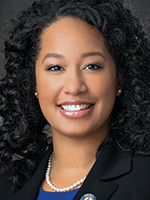
Dora Drake
DDemocratic
P
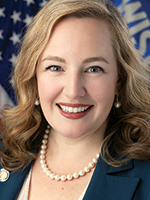
Kelda Roys
DDemocratic
P
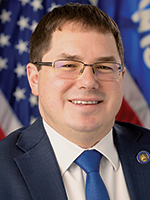
Mark Spreitzer
DDemocratic
P
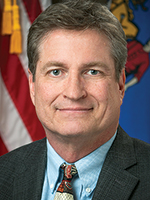
Tim Carpenter
DDemocratic
Ask Maddy
·
AI policy assistant
Ask Maddy about SB 1123
Scope: WI
Hi! I can help you understand SB 1123. What would you like to know?
Try one of these
i
Maddy answers using official bill text and legislative records. Always verify before sharing.
Sources cited inline