Protecting Speech from Government Interference Act
What changed between versions
The policy statement and prohibitions now apply only to 'lawful speech' (defined as First Amendment-protected speech) rather than all speech. A new definition of 'unlawful speech' (not First Amendment protected) is added, creating a clear legal boundary for when censorship actions are permissible.
A new rule of construction clarifies that the Act does not prohibit: lawful enforcement of federal law or regulation (including obscenity), establishing conditions of federal financial assistance, using official federal accounts to communicate policy positions, or normal press and public affairs communications.
The original prohibition on using official authority to 'advocate that any third party take any action to censor any speech' was removed. The specific protections for individuals with pending applications, ongoing audits, investigations, or enforcement actions were also eliminated.
A new prohibition was added: an employee may not use official authority to censor any private entity, including outside normal duty hours and while away from the normal duty post. This replaces the old 'further restricted employees' provision that applied only to EOP staff and Senate-confirmed appointees.
Mandatory annual training on the section is required for all agency employees, directed by each employing agency head.
A detailed reporting requirement was added: 72 hours before any censorship action under the law enforcement exception, the agency head must submit a report to the Office of Special Counsel and specified congressional committees (Oversight, Judiciary, Intelligence, Energy/Commerce in House; Homeland Security, Judiciary, Intelligence, Commerce in Senate) including the rationale, targeted entity, legal authority, involved employees, and coordinating agencies. Exemptions apply for child pornography, human trafficking, and controlled substances cases; national security cases shift to 72 hours after.
Civil penalties were restructured: general employee penalty decreased from $10,000 to $1,000; debarment period increased from 5 to 10 years; a new $50,000 civil penalty tier was created for senior officials (White House Office employees and Senate-confirmed appointees).
The Special Counsel is now explicitly authorized to seek civil monetary penalties directly under section 1215(a) instead of sending a report to the President under section 1215(b), while preserving the President's authority over disciplinary action for senior officials.
A new annual compliance report is required from the Attorney General (in consultation with Civil Rights and OSC) within 240 days of enactment and annually thereafter, evaluating government compliance and describing any agency head actions consulting third parties about censorship or engaging in prohibited activity. This reporting requirement sunsets after 10 years.
Section 1216(a) of title 5 is amended to explicitly include censorship activities under subchapter VIII within the Office of Special Counsel's jurisdiction alongside political activity prohibitions.
A new congressional findings section requires inspectors general to publicly report annually for seven years on the number of complaints and tips received, investigations opened, and disposition statistics related to compliance with this Act.
The definition of 'censor/censorship' was changed from 'ordering or advocating for' to 'influencing or coercing, or directing another to influence or coerce.' Platform references were narrowed from any 'platform (including an interactive computer service)' to only 'interactive computer service.' The access-restriction exception was broadened from 'criminal activities' to 'unlawful speech or criminal activities.'
How they voted
Actions timeline
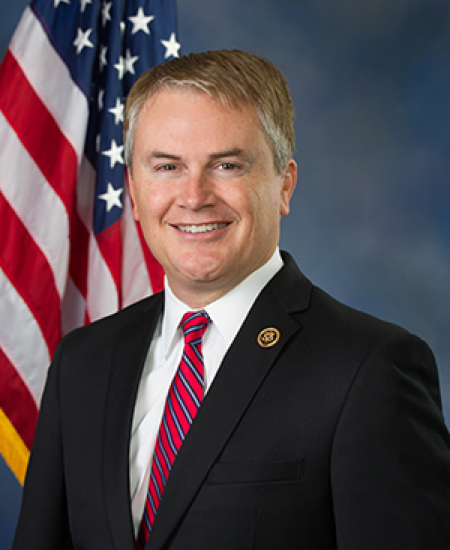
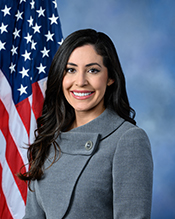
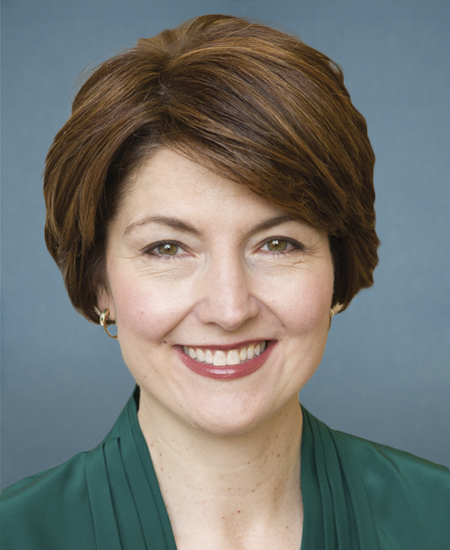
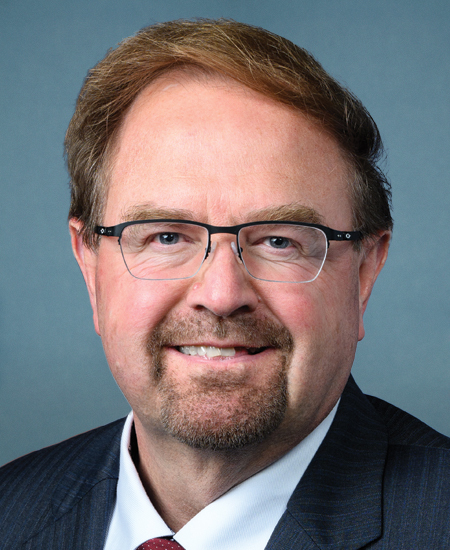
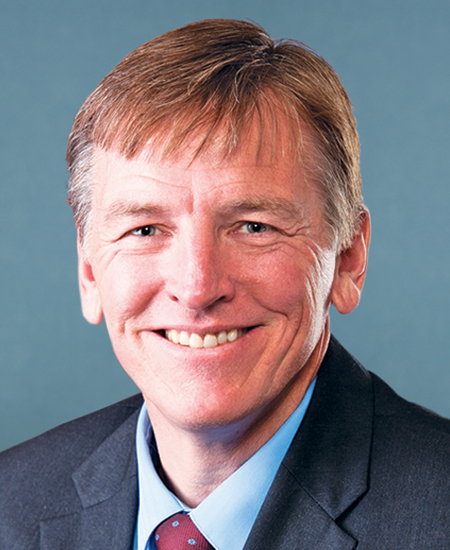
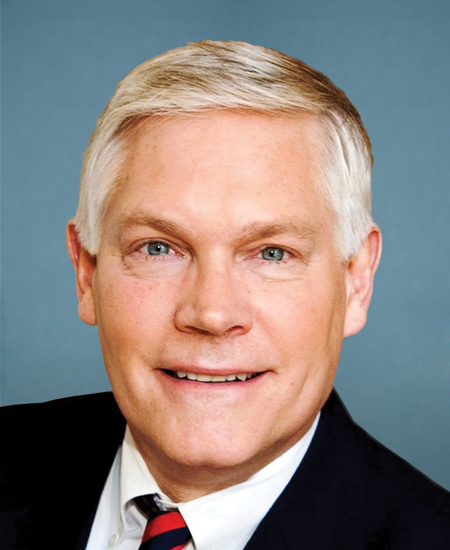
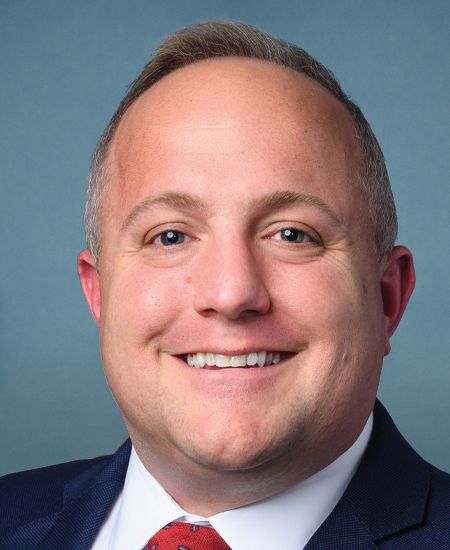
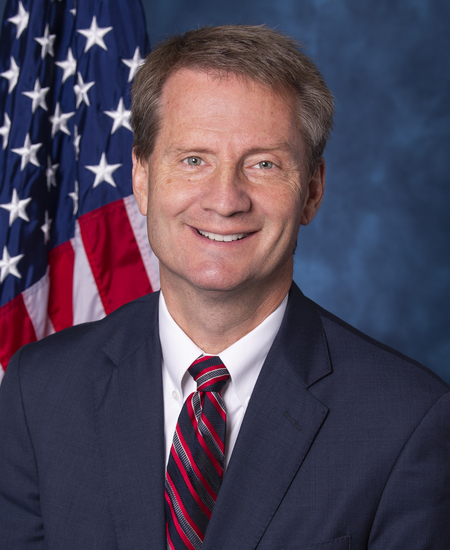
Sponsors