

Maddy summaryHB 5437, the Vape Safety Act, requires vape or smoke retailers (businesses selling vapor products, tobacco, or nicotine products) to obtain a license from West Virginia’s Alcohol Beverage Control Commissioner. The bill restricts vape shop locations (prohibiting them near schools, parks, or residences), mandates compliance with advertising standards, and creates a product directory listing only approved "authorized vapor products." It also establishes fees, civil/criminal penalties for violations (up to $10,000 fines or 1-year jail time), and sets operating standards for retailers and manufacturers. The law directly affects vape shop owners, manufacturers, and wholesalers by imposing new licensing, location, and product approval requirements.
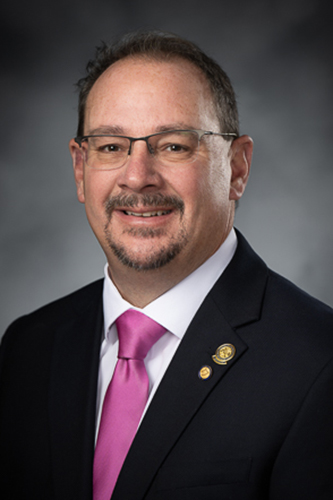
Rep. Wayne Clark
Sponsored bills
Maddy summaryHB 4176 allows youth hunters (ages 12-17) and individuals holding a Class Q special hunting permit to harvest one antlered deer during West Virginia's designated "Special Youth Deer Season." This change directly affects young hunters and disabled hunters with Class Q permits, expanding their hunting opportunities during this specific season. Any deer taken under this provision counts toward the regular firearms deer hunting season bag limit. The bill explicitly excludes Class XS license holders from these privileges.
Maddy summaryHB 4463 amends West Virginia's sanitarian licensing laws to modernize training requirements and clarify licensing authority. It authorizes the Board of Sanitarians to offer online training as an alternative to in-person sessions, allowing applicants to complete training anytime during the year and finish within six months of hire (excluding on-the-job training). The bill also clarifies that Registered Sanitarians may license applicants who complete approved training and on-the-job experience. Additionally, it requires the Board to establish reciprocity standards for out-of-state licensure by May 1, 2026. These changes directly affect sanitarian applicants, current license holders, and the Board's regulatory processes.
Maddy summaryHB 4865 creates a program allowing high school juniors and seniors (with a 3.0 GPA or higher) to serve as election officials in West Virginia. To qualify, students must meet standard election official requirements (like being a registered voter and completing training), get written approval from their school principal and parent, and agree to one political party affiliation per precinct. The bill ensures these student officials are not marked absent from school on election days and limits appointments to one per political party per precinct. This change directly affects eligible high school students and county election officials who would appoint them.
Maddy summaryThis bill requires physicians and osteopathic doctors in West Virginia to complete continuing education credits specifically in nutrition as part of their biennial license renewal process. The law mandates that medical professionals earn a minimum of fifty hours of continuing medical education every two years, with osteopathic physicians required to complete thirty-two hours including nutrition training, and these credits must be approved by relevant medical boards. The bill amends existing state code sections to make nutrition education a mandatory component of the continuing education requirement for license renewal.
Maddy summaryThis bill expands the authority of county commissions in West Virginia to sell or lease county-owned property by introducing competitive bidding as an alternative to traditional public auctions. It allows counties to sell real property directly to private parties if the price is at least 75 percent of the appraised value, while sales to government entities and nonprofits may be made without considering market value. The legislation also requires public notice through legal advertisements, establishes minimum pricing standards based on assessed values or third-party appraisals, and mandates transparency by posting all formal offers on county websites for at least 30 days. Additionally, the bill clarifies that property sold to volunteer fire departments, ambulance services, and community centers must revert to the county if those organizations later propose to dispose of it, unless the county explicitly waives this right in the deed.
Maddy summaryHB 5074 changes how revenue from West Virginia's medical cannabis program is allocated. For fiscal year 2026, it directs $3 million to the Supreme Court for a child protection pilot, $10 million each to West Virginia University and Marshall University for ibogaine research, and $5 million to homelessness services, with remaining funds reverting to general revenue. Starting July 1, 2026, annual allocations will be: 15% to the Medical Cannabis Bureau for administration, 15% to the Department of Agriculture for cannabis testing, and 45% split among the Fight Substance Abuse Fund (20%), university research (10% each to Marshall and WVU), a Child Protection Commission (10%), and law enforcement training programs (40%). These changes apply to ongoing revenue from medical cannabis taxes, not new taxes or fees.
Maddy summaryHB 4012 reduces regulatory requirements for utility companies building or maintaining electric power generation and transmission facilities in West Virginia. The bill waives the need for a certificate of public convenience and necessity for projects approved by the Infrastructure and Jobs Development Council, streamlining approvals for these projects. It also shortens the Public Service Commission’s decision timeline, reducing the maximum processing time for large projects (over $50 million) from 400 days to 270 days. This directly affects utility companies seeking to develop or upgrade electric infrastructure within the state.
Maddy summaryHB 4010 establishes a state loan program to provide financial assistance for constructing airplane hangars at local airports in West Virginia. It directly affects counties, municipalities, and regional airport authorities that own or operate airports, allowing them to access state loans for hangar planning, construction, or improvements. The bill creates a pilot project with specific eligibility standards (considering site readiness, economic impact, and market demand) and requires the transportation division to set loan terms, limit participating airports based on funding, and report annually to the Joint Committee on Government and Finance. This program aims to support airport infrastructure development to enhance economic opportunities in local communities.
Maddy summaryHB 5091 amends West Virginia's Real Estate License Act to clarify and strengthen duties for real estate licensees (brokers, associate brokers, and salespersons). It requires licensees to provide written disclosures about agency relationships, brokerage services, and compensation before any contract, and to give each signing party a copy of the contract at the time of signing. The bill prohibits requiring buyer's agency agreements before a purchase offer is signed, mandates contracts include definite expiration dates, and bans fees for representation after a contract expires if a consumer switches brokers. These changes directly affect real estate licensees and consumers in West Virginia property transactions by increasing transparency and preventing unfair contract terms.