Maddy summaryHB 4538 limits the use of photo/video speed enforcement equipment to West Virginia Division of Highways work zones. It requires two advance signs indicating photo enforcement, mandates a law enforcement officer's physical presence during violations, and sets strict evidentiary standards (including vehicle identification and a sworn officer statement). The bill prohibits automated enforcement outside work zones and restricts equipment use to state-owned devices or those in patrol/DOH vehicles. This applies to all state and local law enforcement using such technology in active highway construction areas where workers are present.

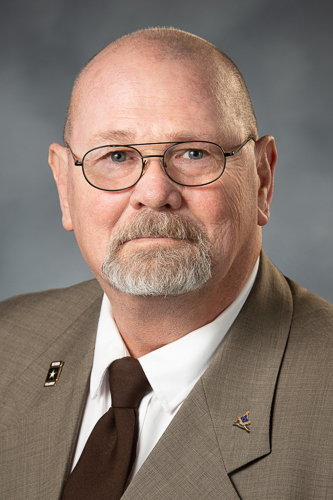
Rep. Chuck Sheedy
Sponsored bills
Maddy summaryHB 4577 creates a reciprocity agreement with the Republic of Ireland for driver licenses, allowing Irish license holders to drive in West Virginia without retaking tests if their license meets comparable standards. The bill requires that foreign license standards (specifically for Ireland) align with West Virginia's, and mandates that drivers operating under this agreement comply with the state's mandatory motor vehicle liability insurance and financial responsibility laws. This agreement applies only to Ireland and does not alter the standard driver's license examination process for new applicants in West Virginia.
Maddy summaryHB 4404 increases the annual funding allowance for volunteer and part-volunteer fire departments in West Virginia from $500 to $5,000 specifically for educational/training supplies and fire prevention promotional materials. This change directly affects local fire companies that rely on state funds for operational needs, allowing them to better support firefighter training and community safety outreach. The bill amends Section 8-15-8b of West Virginia Code to adjust this specific budget line item, maintaining all other authorized uses of funds unchanged. The proposed increase aims to provide greater flexibility for fire departments to invest in critical safety education resources. The bill was introduced on January 16, 2026, and referred to the House Finance Committee.
Maddy summaryHB 4007 amends West Virginia's Industrial Access Road Fund rules to clarify how state funds can be used for constructing or maintaining access roads to industrial sites. The bill directly affects counties and municipalities seeking funding for roads leading to approved manufacturing, distribution, or processing facilities (including West Virginia Business Ready Sites), while restricting the fund from covering roads to schools, hospitals, shopping centers, or private property. Key changes include raising the annual funding cap to $6 million per fiscal year, setting a $800,000 maximum for unmatched funds per county, and requiring counties to certify site construction or provide surety before funds are allocated. The bill also clarifies that funds cannot be used for utility adjustments or roads on private property, and mandates the Division of Highways must review location requests within 90 days.
Maddy summaryHB 4696 authorizes West Virginia's Department of Environmental Protection to deposit federal grant funds - specifically from programs like the Infrastructure Investment and Jobs Act and the Safeguarding Treatment for the Restoration of Ecosystems from Abandoned Mines Act - into the state's existing Abandoned Land Reclamation Fund. This bill modifies state law to allow these federal funds to be added to the fund, which is used for cleaning up environmental damage from past coal mining, including restoring land, treating water pollution from mine drainage, and sealing abandoned mine sites. The bill does not change how the funds are spent but clarifies where they must be deposited. It directly affects communities impacted by historical mining, particularly those dealing with water quality and land degradation.
Maddy summaryHB 4881 removes a $9,500 value limit that previously prevented automobile dealers, licensed auctions, repair facilities, or towing companies from obtaining titles for abandoned or junked vehicles on their property. The bill allows these businesses to apply for title and registration for any abandoned vehicle - regardless of its value - after following standard notification procedures to the owner and lienholders. If the vehicle isn't claimed within 10 days (or after publication notice if the owner can't be found), the business may sell it. This change directly affects dealers and related businesses handling abandoned vehicles, streamlining title processing for all such vehicles.
Maddy summaryThis bill updates West Virginia laws to recognize military protective orders as valid evidence of domestic violence when seeking emergency protective orders from family courts. It defines a military protective order as one issued by a commanding officer in the U.S. Armed Forces, West Virginia National Guard, or another state's National Guard against someone under their command. The legislation requires law enforcement to notify relevant agencies of potential violations of these military orders and allows them to be used in petitions for temporary personal safety orders. These changes aim to improve how courts handle cases involving service members and their families by streamlining the process for obtaining protection orders.
Maddy summaryHB 4364 establishes a formal process for West Virginia to share juvenile jurisdiction with federal courts over military installations in the state. It allows military installations to request concurrent jurisdiction for juveniles (under 18) who commit state law offenses like delinquency or status offenses (e.g., truancy or underage drinking) on federal military land. The bill requires military officials to submit a written request with specific boundaries to the Governor, who must accept it in writing and record the agreement with the Secretary of State. Once recorded, West Virginia courts gain shared authority with federal courts to handle these cases when federal courts waive exclusive jurisdiction. This applies to all military land in West Virginia, including National Guard facilities.
Maddy summaryHB 4437 allows Gold Star parents (mothers or fathers of veterans killed in combat) to receive one free vehicle registration plate for personal use. The bill amends West Virginia law to exempt Gold Star parents from all registration fees for a single Gold Star Family license plate, which is already available to surviving spouses under existing rules. This change directly affects eligible parents who qualify under the definition of "Gold star parent" (per 10 U.S.C. § 1126), waiving standard registration costs for one vehicle. The provision builds on the current Gold Star Family plate program without creating new fees or requirements.
Maddy summaryHB 4625 amends West Virginia's definitions for property transfer excise taxes, clarifying which transactions qualify for tax exemptions. It removes an existing exemption for certain property transfers while adding new exemptions for transfers between family members (spouse, parent-child, grandparent-grandchild, siblings) and between charitable organizations. The bill also refines definitions of key terms like "document," "value," and "person" to better determine tax applicability. These changes directly affect individuals and entities involved in property sales or gifts, particularly in family or charitable contexts, by altering which transfers are exempt from the excise tax.