

Maddy summaryThe Cybersecurity for Small Businesses Act of 2026 directs the Small Business Administration, in partnership with federal cybersecurity agencies, to create and distribute resources that help small businesses improve their digital security practices. The bill specifically requires the administration to provide guidance on federal cybersecurity compliance standards to small companies seeking government contracts or subcontracting opportunities. This information must be made available through small business development centers, district offices, and the agency's website. Additionally, the Office of Advocacy is required to submit an annual report to Congress detailing how many small businesses have contacted them regarding cybersecurity issues.
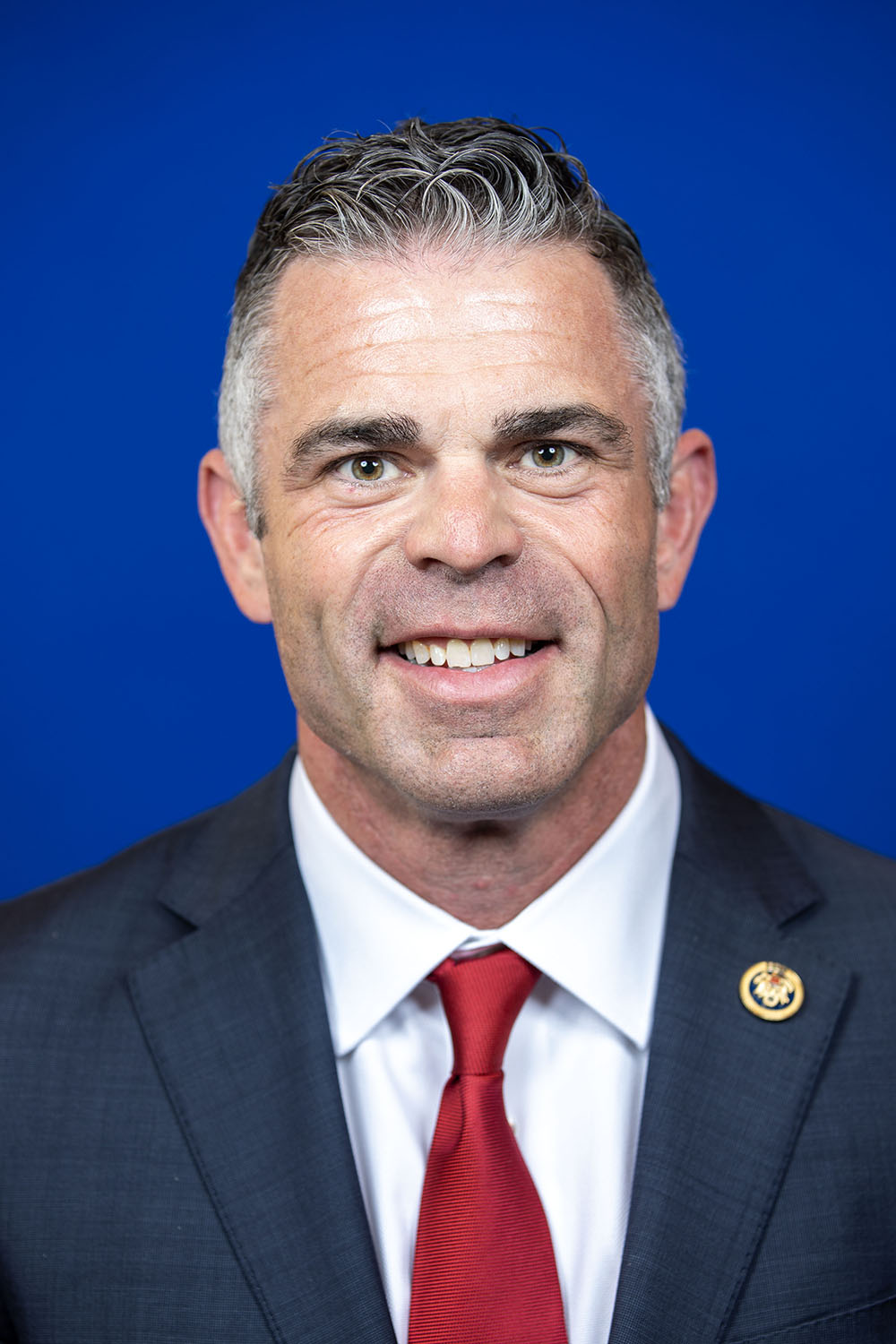
Rep. Tony Wied
Sponsored bills
Maddy summaryThe Reshoring American Manufacturing Act of 2026 directs the Small Business Administration to create a dedicated website helping small businesses bring their manufacturing operations back to the United States. This online resource will provide contact details for relevant government offices and partner organizations, along with other useful information determined by the agency. The law requires the website to be launched within 60 days of enactment and mandates annual reviews to ensure the content remains current and helpful.
Maddy summaryThe Packaging and Claims Knowledge Act of 2025 requires companies to ensure that recyclable, compostable, and reusable claims on consumer product packaging are accurate and supported by third-party certification. The bill mandates that recyclable claims must include information about local recycling availability, while compostable claims must be backed by scientific evidence and clearly explain disposal limitations. Companies must also provide actual reuse systems or products for reusable packaging claims, and the Federal Trade Commission will issue guidance on compliance without creating binding regulations.
Maddy summaryThis bill requires all new passenger vehicles manufactured for sale in the U.S. to include AM radio as standard equipment (not an optional add-on) by 2027-2028, depending on manufacturer size. It mandates that AM radio receivers must be easily accessible to drivers and allows compliance through digital AM broadcast technology. During a transition period, manufacturers must clearly label vehicles without AM radio but cannot charge extra for this feature. The bill also mandates a GAO study on AM radio's role in emergency alerts and includes a 10-year sunset provision for the rule. It preempts state laws regarding AM radio access in vehicles.
Maddy summaryThe Make Apportionment Great Again Act would change how U.S. House seats are distributed among states by excluding noncitizens from the population count used for apportionment. It requires the Secretary of Commerce to recalculate state populations using existing federal and state government records, without conducting a new census, and mandates that future censuses include a question on citizenship status. The bill establishes a legal presumption that any resulting changes in seat allocation are valid, allowing courts to overturn them only with clear evidence of statutory or constitutional violations. Additionally, it creates an expedited judicial process for legal challenges, requiring cases to be heard by three-judge panels and permitting direct appeal to the Supreme Court.
Maddy summaryThis bill establishes a framework for the Department of the Interior to work with Indian Tribes and Tribal organizations to restore and manage buffalo populations on Indian lands. It authorizes the Secretary of the Interior to provide contracts, grants, and technical assistance to support tribal buffalo restoration programs, commercial buffalo activities, and mobile meat processing facilities. The legislation also requires ongoing consultation between the Department and tribes on buffalo management initiatives and ensures that culturally sensitive tribal information remains confidential. Additionally, the bill allows for the transfer of surplus buffalo from federal lands to Indian lands and explicitly preserves existing treaty rights of Indian Tribes, with all provisions set to expire seven years after enactment.
Maddy summaryThis bill requires the Federal Aviation Administration (FAA) to improve transparency and efficiency in certifying new aircraft and technologies. Specifically, it mandates the FAA to publish a public plan for streamlining the type certification process, establish standard timelines for key milestones (like safety reviews), and create clearer criteria for when technical questions arise. The changes directly affect aircraft manufacturers - especially those developing advanced air mobility vehicles like air taxis - and FAA staff managing certifications. By setting predictable timelines and reducing recurring paperwork, the bill aims to accelerate innovation while maintaining safety standards.
Maddy summaryThe TASA Act of 2025 amends federal airport funding rules to include U.S. territory airports that were eligible under the 1978 Federal Aviation Act. It changes the criteria for which airports qualify for the government's share of project costs by adding territory airports meeting specific historical eligibility standards. This directly affects airports in U.S. territories (like Puerto Rico and Guam) that were designated as eligible points under the 1978 law. The bill updates existing funding eligibility without creating new programs or altering essential air service compensation rules.
National Law Enforcement Officers Remembrance, Support and Community Outreach Act. [ sic ] This bill temporarily directs the Department of the Interior to award a grant to the National Law Enforcement Officers Memorial Fund for the expenses associated with operating and enhancing the community outreach, public education, and officer safety and wellness programs of the National Law Enforcement Museum.
Maddy summaryHR 5831 designates the U.S. Postal Service facility at 306 South Main Street in Waupaca, Wisconsin, as the "Master Sergeant Melvin O. Handrich Post Office Building." The bill updates all official federal references - such as laws, maps, and documents - to use this new name for the building. It does not create new policies or affect services, but formally changes the facility's official designation. The bill directly impacts how the building is identified in all federal communications and records.