

Exempting certain physicians from specified traffic laws when responding to emergencies
This bill allows licensed physicians in West Virginia to operate designated large medical vehicles with red flashing warning lights during medical emergencies, similar to ambulances and fire trucks. It requires the West Virginia Board of Medicine and Board of Osteopathic Medicine to create and manage programs designating which physicians' vehicles qualify as emergency vehicles. Physicians using these designated vehicles would be exempt from standard traffic laws (like speed limits) while responding to emergencies. The medical boards must propose specific rules for legislative approval before implementing this program.
Bill status
in committee
1 of 4 stages cleared
Introduction
Jan 2026
Committee Review
Floor Vote
Governor
Introduced Jan 27, 2026
Last action Feb 3, 2026
Maddy AI version diff · 1 comparison
What changed between versions
Introduced Version
→
Committee Substitute
·
5 edits
MODERATE
The bill was significantly expanded from a simple exemption for physicians to a comprehensive program allowing doctors to operate large Class A vehicles (like fire trucks) as emergency vehicles. The new version establishes a formal application and renewal process, sets specific rules for when sirens and lights can be used, and creates a fee structure to cover administrative costs. It also clarifies that the exemption does not protect doctors from liability if they drive recklessly.
Scope change
The bill's scope expanded from a general traffic law exemption to a specific, regulated program authorizing the use of Class A vehicles (previously restricted to fire and police) by physicians.
SCOPE
Physicians are now authorized to operate Class A vehicles (such as fire trucks) as emergency vehicles, in addition to their existing exemptions.
REQUIREMENT
A formal 'Physician's Authorized Emergency Vehicle Program' was created, requiring doctors to apply for and renew authorization every five years.
New rules mandate that audible signals and red lights may only be used while responding to an emergency, not when returning home.
FISCAL
The medical boards are authorized to charge application and renewal fees to cover the cost of administering the program.
ENFORCEMENT
The bill explicitly states that operating under this program does not relieve the driver of the duty to drive with due regard for safety and does not protect against reckless disregard.
Floor votes
How they voted
No floor votes recorded yet.
Full legislative history
Actions timeline
Total actions
6
Key actions
0
Committee
2
Feb 3, 2026
Committee
To Finance
upper
Feb 3, 2026
Committee
Committee substitute reported, but first to Finance
upper
Jan 27, 2026
Introduced
Introduced in Senate
upper
1 primary · 2 co-sponsors
Sponsors
Role
Legislator
Party
State
District
P
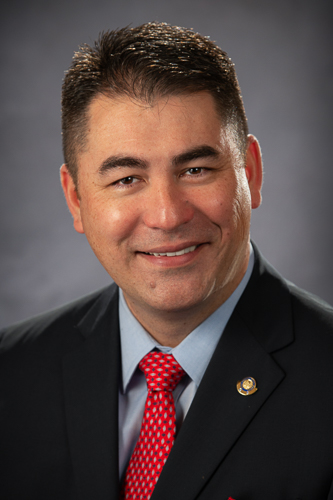
Tom Takubo
RRepublican
Co

Mike Oliverio
RRepublican
Co

Mike Woelfel
DDemocratic
Ask Maddy
·
AI policy assistant
Ask Maddy about SB 620
Scope: WV
Hi! I can help you understand SB 620. What would you like to know?
Try one of these
i
Maddy answers using official bill text and legislative records. Always verify before sharing.
Sources cited inline