

Adjusting salaries for certain administrative law judges
This bill (SB 1038) increases salaries by 15% for three specific positions at the Unemployment Compensation Board of Review: Chief Administrative Law Judge, Administrative Law Judge 1, and Administrative Law Judge 2. The adjustment applies to salary levels effective when the bill takes effect and is separate from other 2026 budget salary changes. The stated purpose is to help ensure unemployment compensation hearings occur in a timely manner. The funding for this increase is exempt from standard budget constraints, and the law explicitly states it creates no legal liability for implementation.
Bill status
signed
all 5 stages cleared
Introduction
Feb 2026
Committee Review
Mar 2026
Senate Passage
Mar 2026
House of Delegates Passage
Mar 2026
Signed into Law
Jun 2026
Introduced Feb 21, 2026
Signed Jun 25, 2026
Maddy AI version diff · 4 comparisons
What changed between versions
sb1038 sfa barrett _1 3-3 adopted.htm
→
Enrolled Committee Substitute
·
4 edits
·
Apr 1, 2026
MODERATE
The bill text was converted from a draft amendment proposal into the final enrolled legislative version. The substantive policy content regarding the 15% salary increase for specific administrative law judges remains unchanged, though minor formatting corrections were applied to the list of eligible job titles and the session description.
Scope change
The bill's scope and applicability remain unchanged; it still applies to the Unemployment Compensation Board of Review.
TECHNICAL
The list of eligible positions was updated to include an 'or' between Administrative Law Judge 1 and Administrative Law Judge 2 for grammatical clarity.
The text describing the legislative session was changed from 'Regular' to 'regular' to match standard capitalization conventions.
Standard website navigation menus, headers, and footer links were added as the document was finalized for publication.
The procedural record of Senator Barrett moving to amend the bill was removed, as the text was finalized and enacted.
Floor votes · Senate Mar 4, 2026 · House of Delegates Mar 14, 2026
How they voted
32–0
Passed · 1 other
Total votes 33
Mar 4, 2026
D
Democratic2
100% Yea
R
Republican31
96% Yea
Vote distribution
All Yea
All Nay
Mixed
No data
Full legislative history
Actions timeline
Total actions
40
Key actions
8
Committee
6
Apr 1, 2026
Signed into law
Approved by Governor 4/1/2026
upper
Mar 14, 2026
Signed into law
Approved by Governor 4/1/2026 - House Journal
lower
Mar 14, 2026
Signed into law
Approved by Governor 4/1/2026 - Senate Journal
upper
Mar 14, 2026
Lower · Passed
Passed House (Roll No. 622)
lower
Mar 11, 2026
Lower · Passed
Do pass
lower
Mar 5, 2026
Committee
To House Finance
lower
Mar 5, 2026
Committee
To Finance
lower
Mar 5, 2026
Introduced
Introduced in House
lower
Mar 4, 2026
Upper · Passed
Passed Senate (Roll No. 351)
upper
Mar 3, 2026
Upper · Passed
Floor amendment adopted (Voice vote)
upper
Feb 27, 2026
Upper · Passed
Reported do pass
upper
Feb 23, 2026
Committee
To Finance
upper
Feb 23, 2026
Committee
Committee substitute reported, but first to Finance
upper
Feb 21, 2026
Introduced
Introduced in Senate
upper
1 primary · 18 co-sponsors
Sponsors
Role
Legislator
Party
State
District
P
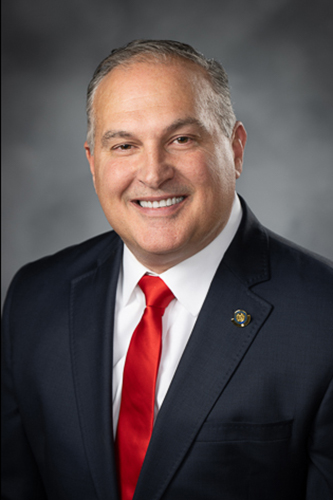
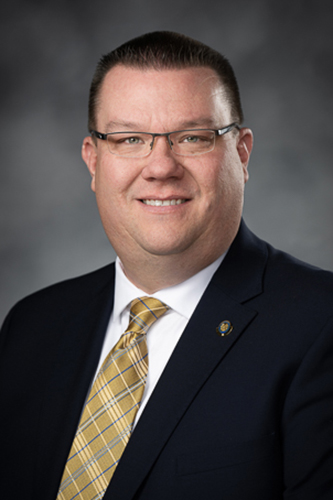
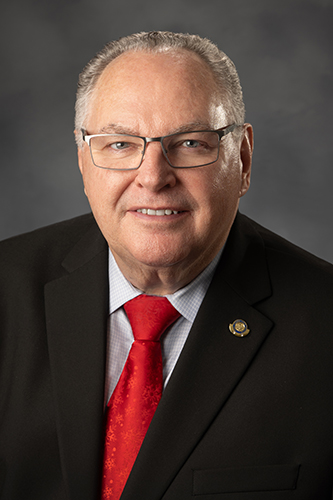
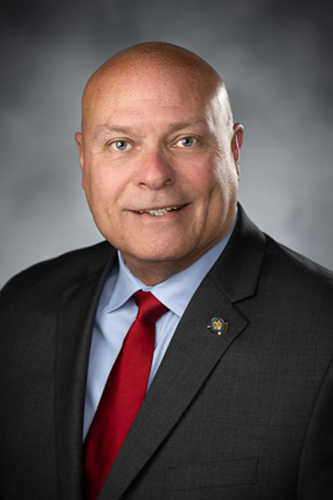
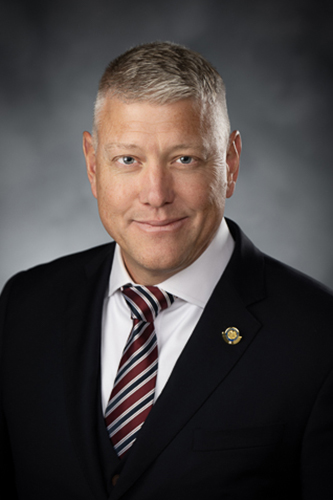
Brian Helton
RRepublican
Co
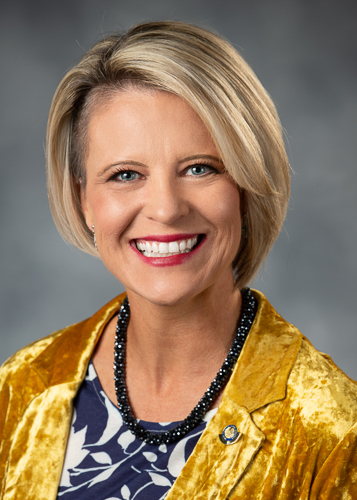
Amy Grady
RRepublican
Co

Anne Charnock
RRepublican
Co
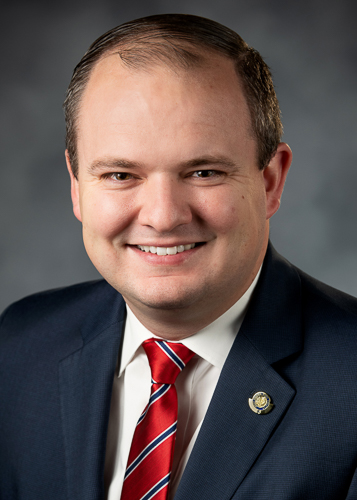
Ben Queen
RRepublican
Co

Charles Clements
RRepublican
Co

Chris Rose
RRepublican
Co
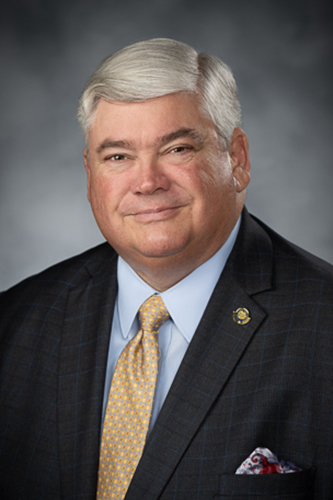
Jack Woodrum
RRepublican
Co

Jason Barrett
RRepublican
Co
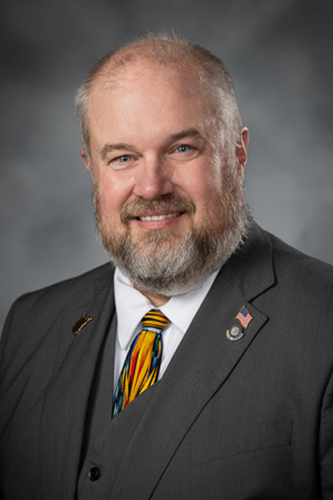
Jay Taylor
RRepublican
Co
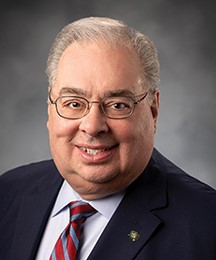
Kevan Bartlett
RRepublican
Co
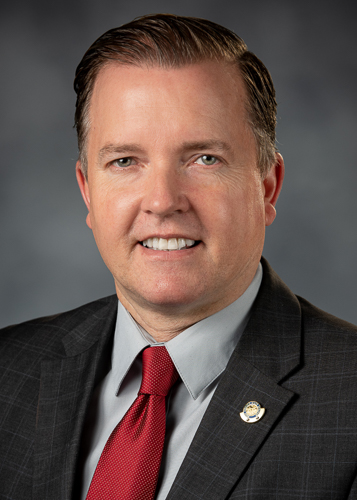
Mark Maynard
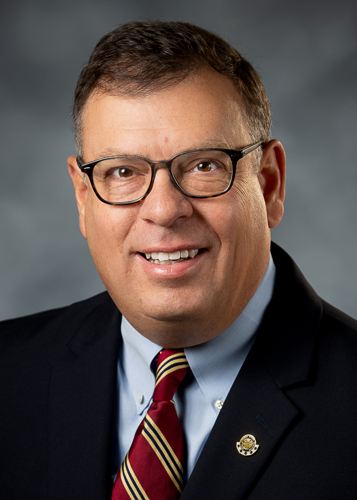
RRepublican


Ask Maddy
·
AI policy assistant
Ask Maddy about SB 1038
Scope: WV
Hi! I can help you understand SB 1038. What would you like to know?
Try one of these
i
Maddy answers using official bill text and legislative records. Always verify before sharing.
Sources cited inline