

Extend the public intoxication of alcohol code to include being under the impairment of narcotics in public
HB 4466 expands West Virginia's public intoxication law to include impairment from narcotics. It amends §60-6-9 to define "intoxicated" as covering impairment from controlled substances (narcotics), not just alcohol, when appearing in public. This makes it a misdemeanor for individuals to be publicly impaired by narcotics, punishable by fines ($5-$100) or mandatory education programs for first offenses. The law directly affects people appearing in public while impaired by narcotics, with penalties increasing for repeat violations. The change clarifies enforcement standards for law enforcement and judicial officers.
Bill status
passed
3 of 5 stages cleared
Introduction
Jan 2026
Committee Review
Feb 2026
House of Delegates Passage
Feb 2026
Senate Passage
Governor
Introduced Jan 16, 2026
Last action Feb 12, 2026
Maddy AI version diff · 3 comparisons
What changed between versions
Engrossed Committee Substitute
→
hb4466 hfat akers 2-11 adopted.htm
·
3 edits
MINOR
The bill was amended to replace the original title with a more detailed version that explicitly clarifies the relationship between public intoxication and controlled substance dependence. This change adds specific language stating that three convictions for public intoxication involving controlled substances within six months serves as evidence of dependence, and it updates the bill's purpose to include education upon conviction.
Scope change
The scope of the bill's purpose was expanded to explicitly link repeated public intoxication convictions to evidence of controlled substance dependence, though the underlying legal provisions for penalties and procedures remain largely the same.
DEFINITION
The title was modified to explicitly state that three convictions for public intoxication by controlled substances within six months is considered evidence of dependence on controlled substances.
SCOPE
The bill's stated purpose was updated to include providing for education upon conviction, whereas the original title only mentioned criminal penalties and education generally.
TECHNICAL
A new header indicating the bill was adopted on February 11 by Delegate Akers was added, replacing the previous navigation and committee history text.
Floor votes · House of Delegates Feb 11, 2026
How they voted
95–2
Passed · 2 other
Total votes 99
Feb 11, 2026
D
Democratic9
100% Yea
R
Republican90
95% Yea
Vote distribution
All Yea
All Nay
Mixed
No data
Full legislative history
Actions timeline
Total actions
20
Key actions
3
Committee
6
Feb 12, 2026
Committee
To Judiciary
upper
Feb 12, 2026
Introduced
Introduced in Senate
upper
Feb 11, 2026
Lower · Passed
Title amendment adopted (Voice vote)
lower
Feb 11, 2026
Lower · Passed
Passed House (Roll No. 74)
lower
Feb 6, 2026
Lower · Passed
By substitute, do pass
lower
Feb 3, 2026
Committee
To House Judiciary
lower
Feb 2, 2026
Committee
To House Courts
lower
Jan 16, 2026
Committee
To House Judiciary
lower
Jan 16, 2026
Introduced
Introduced in House
lower
Jan 16, 2026
Committee
To Judiciary
lower
1 primary · 4 co-sponsors
Sponsors
Role
Legislator
Party
State
District
P
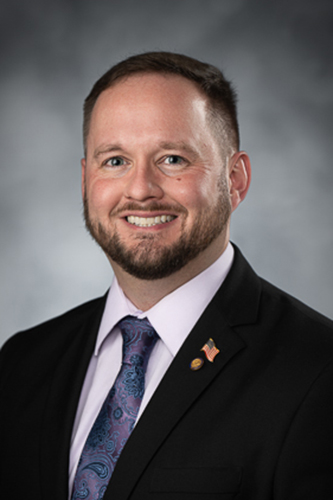
Elliott Pritt
RRepublican
Co
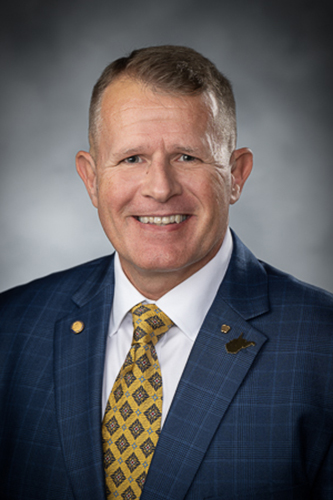
Eric Brooks
RRepublican
Co

Josh Holstein
RRepublican
Co
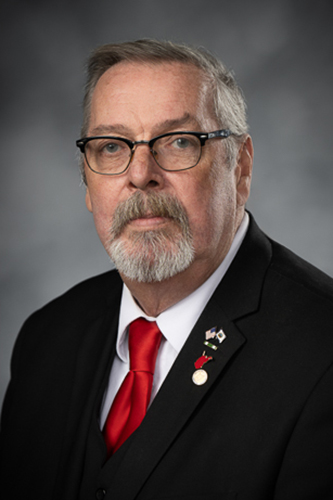
Marshall Clay
RRepublican
Co
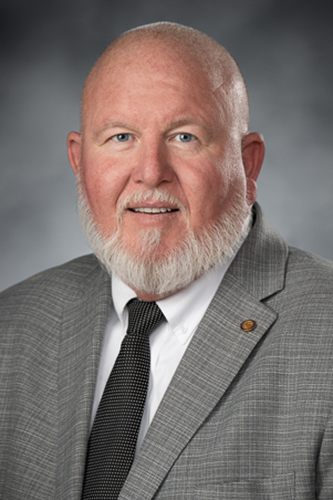
Scot Heckert
RRepublican
Ask Maddy
·
AI policy assistant
Ask Maddy about HB 4466
Scope: WV
Hi! I can help you understand HB 4466. What would you like to know?
Try one of these
i
Maddy answers using official bill text and legislative records. Always verify before sharing.
Sources cited inline