

Relating to reducing the regulatory burden on utility companies when constructing and maintaining electric power generation and transmission facilities within this state
HB 4012 reduces regulatory requirements for utility companies building or maintaining electric power generation and transmission facilities in West Virginia. The bill waives the need for a certificate of public convenience and necessity for projects approved by the Infrastructure and Jobs Development Council, streamlining approvals for these projects. It also shortens the Public Service Commission’s decision timeline, reducing the maximum processing time for large projects (over $50 million) from 400 days to 270 days. This directly affects utility companies seeking to develop or upgrade electric infrastructure within the state.
Bill status
failed
4 of 5 stages cleared
Introduction
Jan 2026
Committee Review
Mar 2026
House of Delegates Passage
Mar 2026
Senate Passage
Mar 2026
Governor
Introduced Jan 15, 2026
Last action Mar 14, 2026
Maddy AI version diff · 7 comparisons
What changed between versions
Committee Substitute
→
hb4012 s eim amt 3-12 adopted.htm
·
5 edits
MODERATE
The bill was amended to change its focus from reducing regulatory burdens on utility construction to clarifying the Public Service Commission's authority over rate increases and specific certificates. The scope shifted from general utility projects to high-voltage transmission lines and electric generating facilities. Key changes include a reduction in statutory approval times for high-voltage lines from 400 to 360 days, an increase in the cost threshold for extended timelines from $50 to $100 million, and a requirement to examine advanced transmission technologies. The bill also adds a waiver provision for maintenance and repair of high-voltage facilities.
Scope change
The bill's scope narrowed from general utility construction and water/sewer projects to specifically address high-voltage transmission lines (220kV and above) and electric generating facilities.
TIMELINE
Reduced the statutory approval time for high-voltage transmission lines from 400 days to 360 days.
REQUIREMENT
Increased the projected cost threshold for extended approval timelines from $50 million to $100 million.
Added a requirement to examine alternatives including advanced transmission technologies for high-voltage lines.
ENFORCEMENT
Added a provision allowing the commission to waive certificate requirements for maintenance and repair of high-voltage facilities at its discretion.
SCOPE
Changed the bill's title and focus to clarify the commission's powers regarding rate increases and specific certificates rather than general regulatory burden reduction.
Floor votes · Senate Mar 13, 2026 · House of Delegates Feb 11, 2026
How they voted
28–5
Passed
Total votes 33
Mar 13, 2026
D
Democratic2
50% Nay
R
Republican31
87% Yea
Vote distribution
All Yea
All Nay
Mixed
No data
Full legislative history
Actions timeline
Total actions
43
Key actions
8
Committee
5
Amendments
1
Mar 14, 2026
Lower · Passed
Motion for previous question adopted (Roll No. 595)
lower
Mar 13, 2026
Upper · Passed
Passed Senate with amended title (Roll No. 525)
upper
Mar 13, 2026
Upper · Passed
Floor amendment adopted (Voice vote)
upper
Mar 12, 2026
Upper · Passed
Reported do pass, with amendment and title amendment
upper
Mar 11, 2026
Committee
On 2nd reading, rereferred to Energy, Industry, and Mining
upper
Mar 11, 2026
Committee
Without recommendation, but first rereferred to Energy, Industry, and Mining
upper
Feb 12, 2026
Introduced
Introduced in Senate
upper
Feb 11, 2026
Lower · Passed
Title amendment adopted (Voice vote)
lower
Feb 11, 2026
Lower · Passed
Passed House (Roll No. 72)
lower
Feb 10, 2026
Lower · Passed
Amendment adopted (Voice vote)
lower
Feb 10, 2026
Introduced
Amendment reported by the Clerk
lower
Feb 3, 2026
Lower · Passed
By substitute, do pass
lower
Jan 15, 2026
Committee
To House Energy and Public Works
lower
Jan 15, 2026
Introduced
Introduced in House
lower
1 primary · 10 co-sponsors
Sponsors
Role
Legislator
Party
State
District
P

Daniel Linville
RRepublican
Co

Jimmy Willis
RRepublican
Co
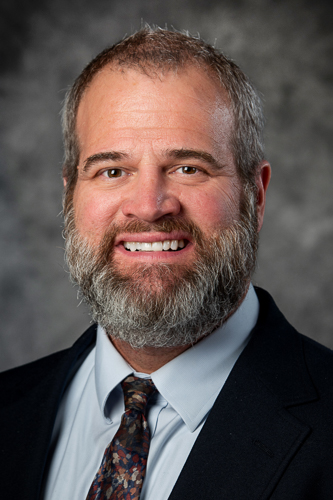
John Paul Hott
RRepublican
Co
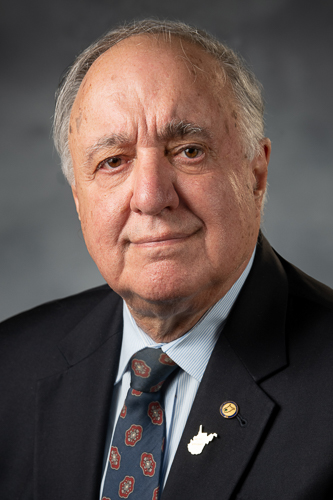
Mark Zatezalo
RRepublican
Co

Marty Gearheart
RRepublican
Co

Mickey Petitto
RRepublican
Co
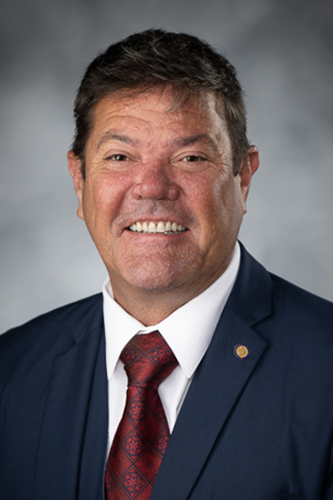
Mike Hornby
RRepublican
Co
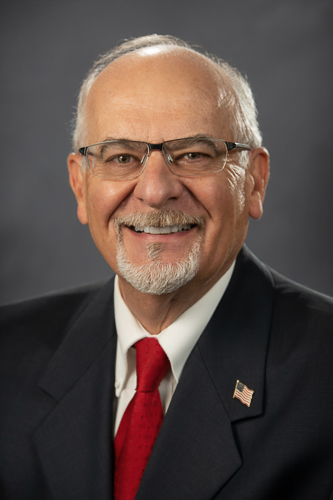
Phil Mallow
RRepublican
Co
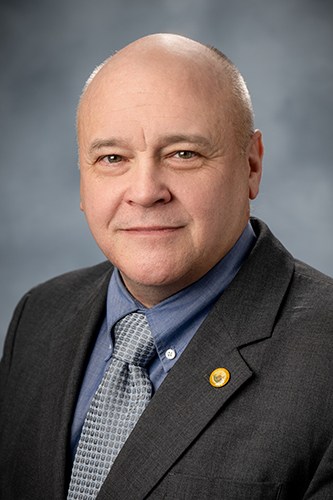
Ray Canterbury
RRepublican
Co

Tristan Leavitt
RRepublican
Co
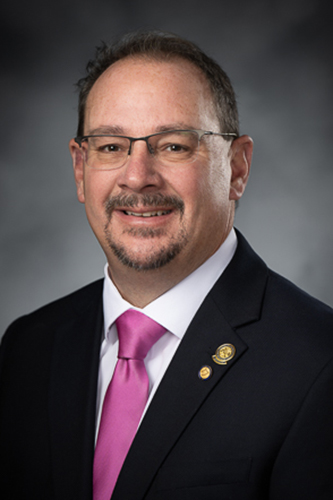
Wayne Clark
RRepublican
Ask Maddy
·
AI policy assistant
Ask Maddy about HB 4012
Scope: WV
Hi! I can help you understand HB 4012. What would you like to know?
Try one of these
i
Maddy answers using official bill text and legislative records. Always verify before sharing.
Sources cited inline