

Maddy summarySB 6005 allocates $13 million for community electric vehicle (EV) charging infrastructure, prioritizing multifamily housing, public locations, schools, and government facilities, with $2 million reserved for federally recognized tribes. It also directs $4.9 million for tribal electric boat grants and $6.85 million to establish a sustainable aviation fuel institute in the Cascadia region. The bill requires projects to reduce emissions and mandates implementation by local governments, tribes, or utilities, with strict reporting on emissions impacts and coordination with state electrification programs. Funding must cover level-two or higher charging infrastructure, including site improvements, and cannot exceed 100% of project costs.
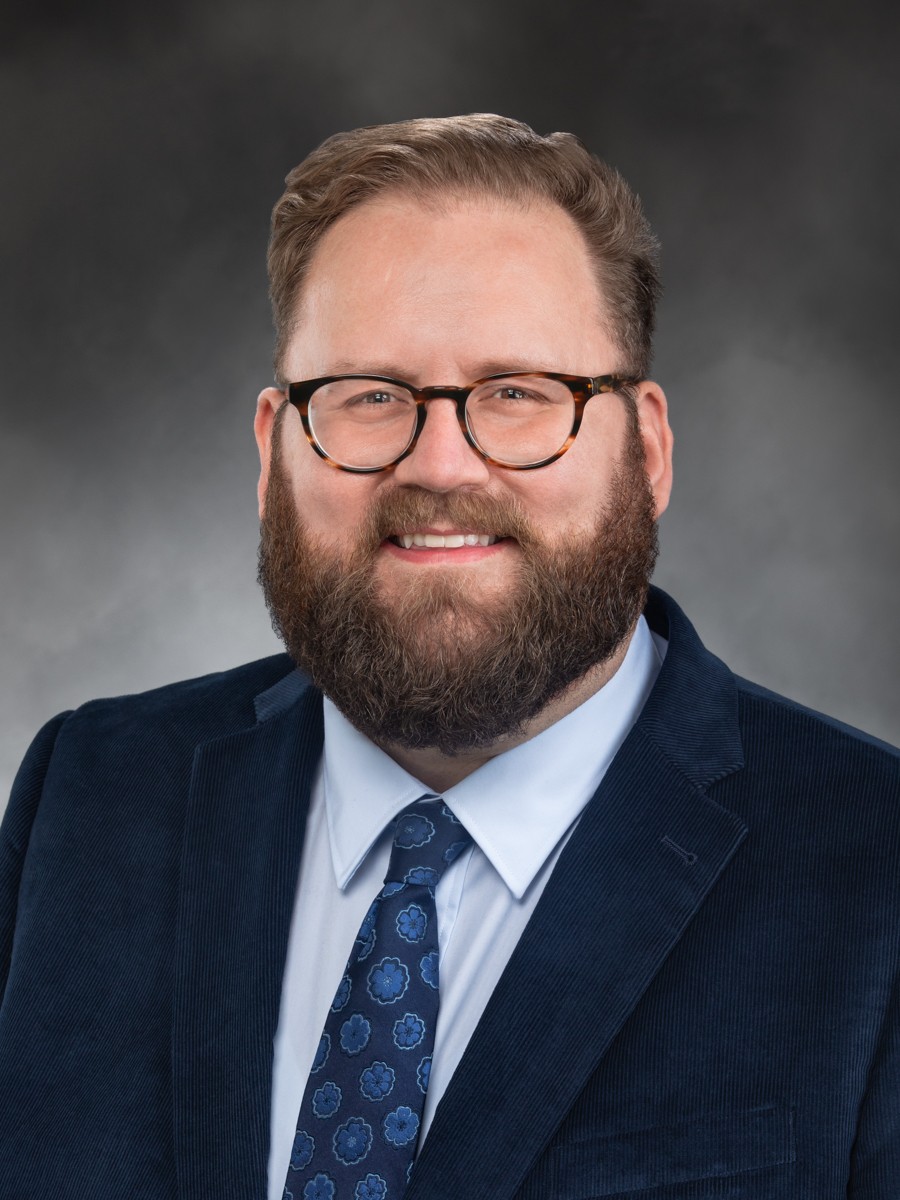
Sen. Marko Liias
Sponsored bills
Maddy summarySB 6225 authorizes $3.4 billion in general obligation bonds to fund preservation of Washington State’s existing transportation infrastructure, including roads and bridges. Proceeds will come exclusively from state fuel excise taxes and vehicle-related fees (like license fees), which are pledged to repay the bonds. The funds will be deposited into a new "Preserve Washington Account" within the motor vehicle fund, restricted to infrastructure preservation projects that extend the life of existing assets. The bill ensures bond repayment priority over other uses of these tax revenues and amends existing laws to clarify funding mechanisms.
Maddy summarySB 6034 creates a new cabinet-level office within the governor's administration called the Office of Indian Affairs. This office directly affects federally recognized tribes in Washington, state agencies, and tribal organizations by establishing formal processes for government-to-government collaboration. Key provisions require the office to advise state agencies on tribal relations, mandate training for state leaders on tribal engagement, coordinate annual meetings with tribal nations, and develop accessible training for all state employees. The office must submit annual reports detailing its activities, funding, and progress toward strengthening state-tribal partnerships. It operates independently from state funds, allowing it to accept private gifts for tribal engagement events.
Maddy summarySB 6026 requires Washington cities and counties with populations over 30,000 to allow residential development in commercial and mixed-use zones, directly affecting these municipalities and developers. The bill prohibits local governments from banning residential uses in these zones but permits limited mixed-use requirements (e.g., 20% of non-station areas must include ground-floor commercial space) and allows height increases of at least 10 feet in designated areas. Exceptions include historic properties, business improvement areas, and specific locations like refinery zones or historic main streets. The law preempts conflicting local rules and takes effect one year after enactment, unless local ordinances are updated first. It does not override building permit requirements unrelated to zoning.
Maddy summarySB 5981 prevents drug manufacturers from restricting how Washington's safety net providers (like community health centers, hospitals serving low-income patients, and HIV clinics) use contract pharmacies to dispense discounted 340B medications. It prohibits manufacturers from denying access to these drugs, blocking contract pharmacy arrangements, or demanding extra data as a condition for supply. The bill allows covered entities to sue for violations, with penalties up to $5,000 per drug package, and requires annual reporting of 340B program activity. This directly protects vulnerable patients' access to affordable medications while safeguarding funding that safety net providers rely on for community services like screenings and financial assistance.
Maddy summaryWashington State's SB 6035 requires counties to hold regular meetings with tribal nations to plan voting centers and ballot drop boxes on reservations, ensuring military, overseas, disabled, and tribal voters on reservations have accessible voting options. It mandates annual meetings between the secretary of state and tribal nations to address voting barriers like registration tools and ballot delivery. The bill also establishes a secure electronic ballot return system for those specific voter groups, requiring strict cybersecurity testing and an auditable paper trail, with implementation targeted for 2031. These provisions aim to improve voting access for four distinct groups facing unique logistical challenges.
Maddy summarySB 5892 strengthens privacy protections for Washington's voter registration database by exempting specific sensitive information from public disclosure. It prohibits sharing voter contact details (phone/email on ballot envelopes), voter signatures, and technical election infrastructure details, while also protecting voted ballots and related records. The bill makes it a class C felony for election officials to knowingly misuse or disclose confidential voter data like driver's license numbers or social security numbers. Requests for database records must now be directed to the Secretary of State, not local counties, to centralize access and enhance security.
Maddy summarySB 5346 requires Washington public school districts to adopt policies restricting student mobile device use during instructional hours by the 2026-27 school year. It directs the state superintendent to report on existing policies and recommend strategies (like time limits or secure storage) by December 2025, leading to a model policy developed by school directors. School districts must align their local policies with this model and share them annually with students and families. The bill excludes school-issued devices and defines "instructional hours" per existing law, focusing on reducing distractions and supporting mental health without specifying direct device bans.
Maddy summaryThis bill restores Washington's pre-2025 estate tax rates by amending the tax calculation tables in law. It directly affects estates of decedents dying in Washington with taxable assets exceeding $1 million, reversing recent increases implemented in 2025. The key provision replaces current tax brackets with historical rates, such as lowering the tax rate for estates between $2 million and $3 million from 17% to 15% for deaths after July 2026. The change ensures the state's estate tax aligns with rates in effect before July 1, 2025, without altering federal tax relationships.
Maddy summaryThe bill's title claims to advance transportation electrification, but the provided text focuses solely on motor vehicle dealer franchise regulations, not electric vehicle access or funding. It amends RCW 46.96.010 and 46.96.185 to prohibit manufacturers from discriminating against dealers in pricing, vehicle allocation, or marketing, and restricts manufacturers from competing with dealers by owning dealerships (with limited exceptions for temporary transitions or diversity initiatives). The text contains no provisions related to electric vehicle expansion, associated funding, or transportation electrification. The title appears inconsistent with the actual legislative content provided.