Maddy summaryHB 2114 changes Washington's license plate replacement policy for defective plates. It eliminates all fees and taxes for replacements within 24 months of original issuance when plates become illegible due to manufacturing defects (e.g., peeling paint or unreadable numbers). For replacements requested between 24 months and five years after issuance, only the cost of the plate itself is charged - not full fees or taxes. This directly affects Washington drivers who receive faulty plates that deteriorate faster than expected, ensuring they aren't charged for the same fees paid at initial purchase.

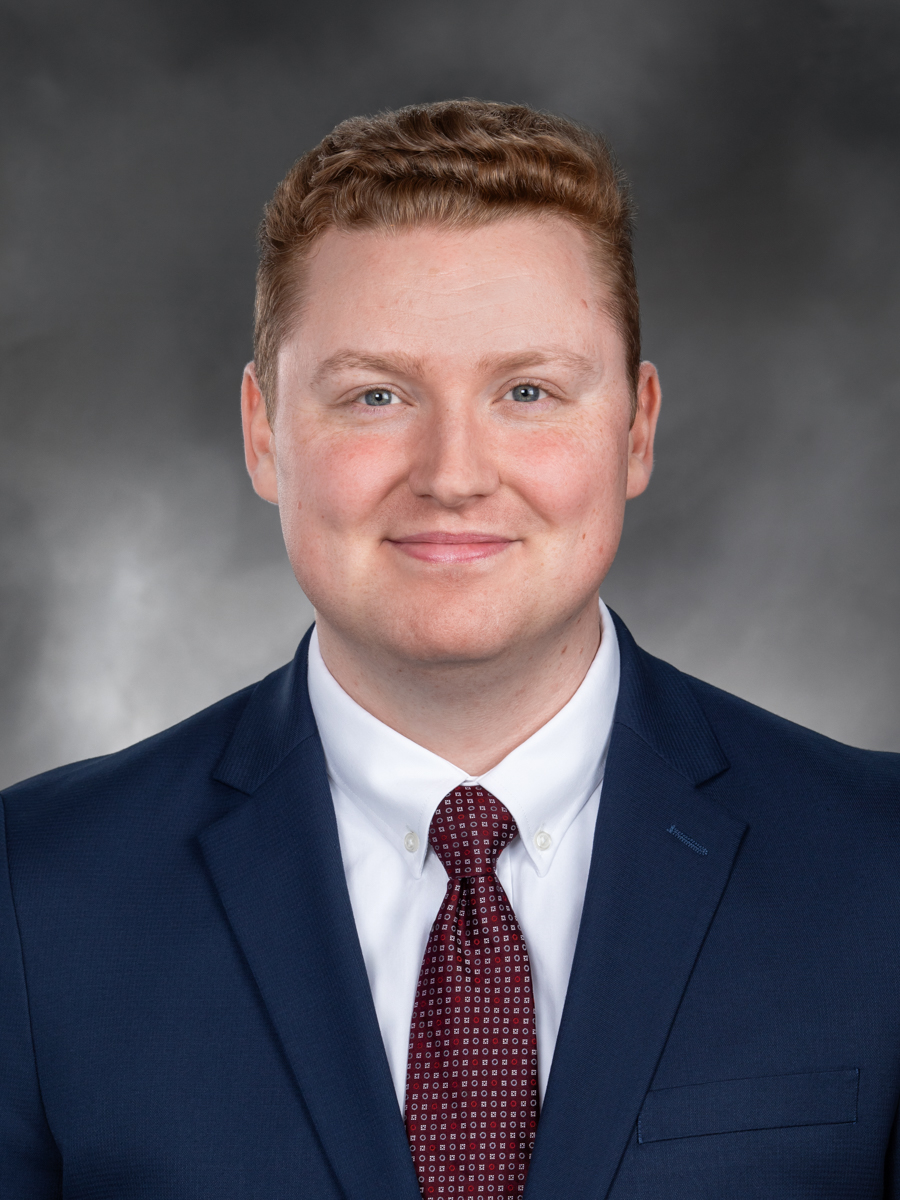
Rep. Zach Hall
Sponsored bills
Maddy summaryHB 2575 reduces reporting burdens for utilities under Washington's environmental and energy laws. It changes annual reporting requirements to biennial (every two years) for qualifying utilities, simplifying the data they must submit - such as electricity savings, renewable energy acquisitions, and conservation expenditures - while removing some specific detail points. The bill directly affects investor-owned utilities and other qualifying energy providers by cutting the frequency of their compliance reports. This amendment streamlines administrative work without altering the underlying environmental or energy targets.
Maddy summaryHB 2296 allows Washington homeowners to install one small, customer-owned energy device (like solar panels or battery systems) on their home electricity meter, subject to safety and compatibility rules. Utilities must approve these devices within 90 days (for large utilities) or 180 days (for small utilities), cannot ban them locally, and must post approval decisions online. Devices must meet national safety standards, work with smart meters, not interfere with utility access or meter functions, and be certified by a testing lab. Homeowners pay for any utility service work related to the device installation, and utilities cannot be held liable for damage caused by approved devices. This directly affects residential electricity customers and utilities across Washington.
Maddy summaryHB 2429 establishes a Children and Youth Behavioral Health Work Group to address barriers in accessing care for children, youth, and young adults in Washington State. The work group, composed of diverse stakeholders including providers, families, youth representatives, tribal leaders, and agency officials, will monitor existing programs, improve coordination between education and health systems, and recommend strategies to expand access to services - particularly for young children (prenatal to age 5) and underserved communities. Key provisions include advising on implementing a statewide strategic plan, removing systemic barriers, and promoting equal insurance coverage for behavioral health compared to physical health. The bill directly affects children and families seeking mental health support by aiming to create a more integrated, equitable system.
Maddy summaryHB 2410 establishes a Washington State Commercial Truck Safety and Education Council within the Washington Traffic Safety Commission. The council, composed of state agency representatives (including the State Patrol and Transportation departments), trucking industry leaders, and public members, will develop safety programs to address rising truck collision rates and improve driver training. It will use existing funds from the commercial vehicle safety account to coordinate industry initiatives, analyze crash trends, and provide grants for safety education - without creating new taxes or fees. The council must report annually to the legislature starting in 2028 on its activities and recommendations.
Maddy summaryThis bill is a House resolution that formally recognizes Representative Virginia "Jenny" Graham for her public service in the Washington State House of Representatives. It highlights her eight-year tenure, her advocacy for public safety, and her work on community safety and veterans' issues. The resolution does not create new laws or policies but serves as an official acknowledgment of her contributions and legacy.
Maddy summaryThis bill is a House resolution that formally honors John Michael Sattgast for his 35 years of dedicated service as a communications professional for the House Republican Caucus in the Washington State Legislature. It recognizes his work producing over 4,000 radio stories and coordinating media coverage for state representatives, as well as his leadership roles with the National Conference of State Legislatures. The resolution acknowledges his contributions to sharing legislative history and public information, noting his receipt of the 2023 Legislative Staff Achievement Award. This measure serves as a commemorative tribute rather than establishing new policy or affecting government operations.
Maddy summaryThis bill formally acknowledges the service of Representative Steve Tharinger to his district and the Washington state legislature. It recognizes his long career in public service, including his time as a Clallam County Commissioner, his work on the House Capital Budget Committee, and his advocacy for environmental protection and healthcare. The resolution serves as a commemorative tribute to his contributions and personal qualities rather than establishing new laws or policies.
Maddy summaryHB 2374 clarifies Washington state's definitions for e-bikes and electric motorcycles to address regulatory confusion. It creates three e-bike classes: Class 1 (pedal-assist only up to 20 mph), Class 2 (throttle-only up to 20 mph), and Class 3 (pedal-assist up to 28 mph with speedometer). Electric motorcycles are defined as vehicles without operable pedals, exceeding 750W motor power, or providing motor assistance beyond 20 mph without pedal input. The bill directly affects e-bike riders, manufacturers, and law enforcement by establishing clear classification standards for safety and enforcement, while requiring a work group to study enforcement consistency and consumer protections by December 2026.
Maddy summaryHB 2272 updates Washington state law to replace outdated terms like "ski lift" and "rope tow" with modern terminology such as "aerial lift," "surface lift," and "conveyor" in statutes governing ski areas. The bill amends safety rules to reflect these terms, requiring skiers to follow conduct rules (e.g., no throwing objects, using designated embarkation areas) and clarifying that operators are not common carriers. It also mandates that ski area operators maintain $1 million in liability insurance per incident, applying to public facilities but exempting free, non-public tramways. This directly affects ski area operators, skiers, and winter sports participants by modernizing safety language and insurance requirements.