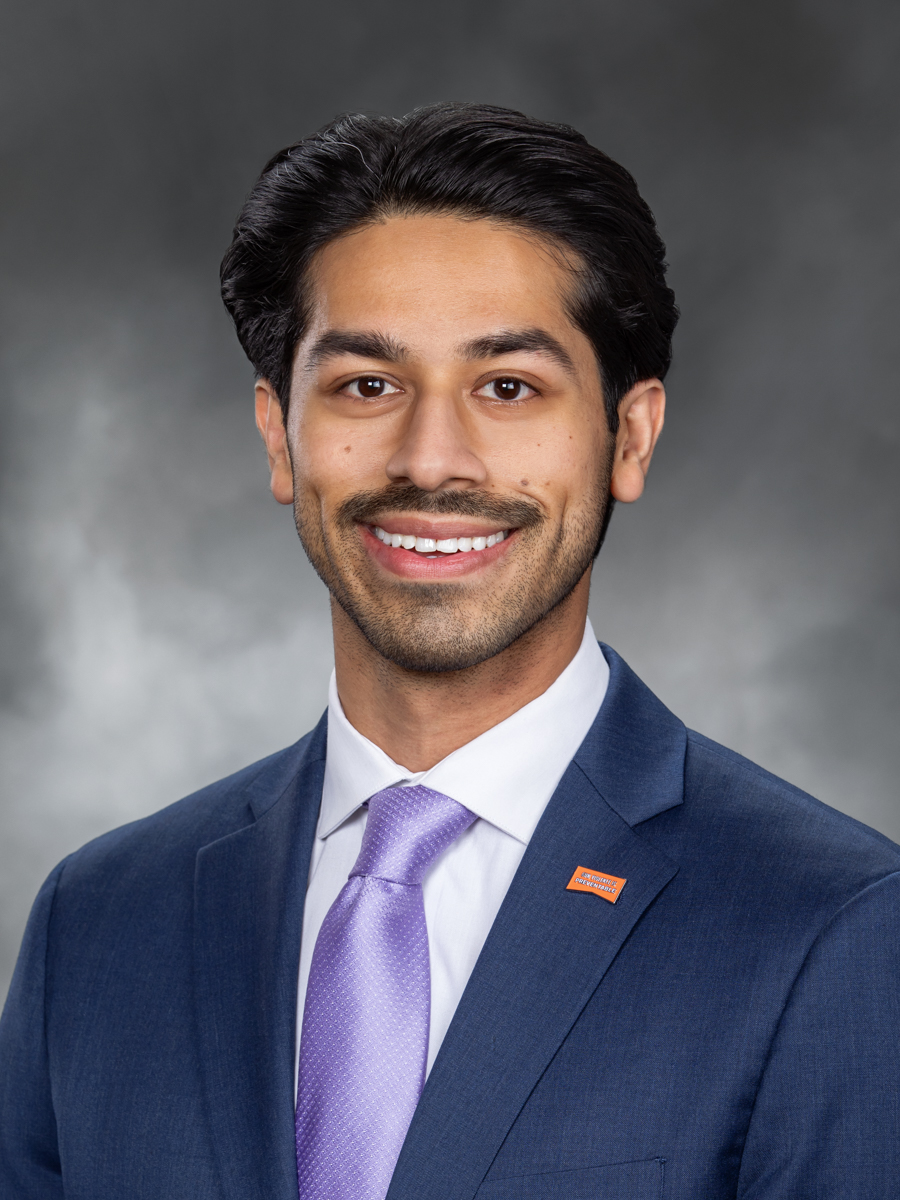
Photo of Osman Salahuddin
D Washington House · District 48 On the 2026 ballot

Rep. Osman Salahuddin

Compare
Total votes
1,201
all sessions
Attendance
99%
11 missed
Near the chamber average
With party
98%
of cast votes
Near the chamber average
Bipartisan score
1%
crosses aisle rarely
Near the chamber average
Sponsored
317
bills & resolutions
Higher than 82% of chamber peers
Committees
4
assignments
317 bills and resolutions

Sponsored bills

Total
317
Primary
29
Co-sponsor
288
This page
317
matching current filters
Co-sponsor HB 1390
Signed into law · Washington House · Co-sponsor
Repealing the community protection program.

Maddy summaryHB 1390 repeals the community protection program, aiming to allow clients of the developmental disabilities administration to access less restrictive service options. The bill requires the Department of Social and Health Services (DSHS) to develop and implement a plan by December 31, 2025, to transition all individuals participating in the program into other services. This change is intended to provide more flexibility in care without reducing the overall supportive services clients receive. The legislation amends and repeals specific RCW sections related to the community protection program.

Signed into law Mar 31, 2026 1 co-sponsor
Primary HB 2411
Signed into law · Washington House · Lead sponsor
Modifying shared leave provisions to authorize shared leave for victims of a hate crime and those whose absence is due to immigration enforcement actions against the employee or the employee's relative.

Maddy summaryHB 2411 expands Washington state employees' shared leave eligibility to include victims of hate crimes and situations involving immigration enforcement actions affecting the employee or their relative. It adds two specific qualifying reasons to existing shared leave provisions: (1) being a victim of a hate crime, and (2) needing time off due to immigration enforcement actions like detention, deportation, or related family separation. The bill includes strict protections, requiring employers to accept written statements or documentation from advocates (not disclosing immigration status) and prohibiting the sharing of personally identifiable immigration information. This policy change directly affects state employees facing these specific circumstances, allowing them to use shared leave without pay while maintaining confidentiality about immigration status.

Signed into law Mar 30, 2026 0 co-sponsors
Co-sponsor HB 2156
Signed into law · Washington House · Co-sponsor
Concerning the authority of investigators of the attorney general's office.

Maddy summaryHB 2156 clarifies that investigators from Washington's Attorney General's office gain limited law enforcement powers - specifically, the authority to serve court-approved search warrants for business records - when they have concurrent criminal investigation authority under existing law. This applies only to business records and requires both judicial authorization and a business's specific request for physical service at a location. The bill explicitly prohibits these investigators from making arrests, carrying weapons, or exceeding their defined scope of authority. It directly affects Attorney General's office investigators handling criminal investigations under agreements with local agencies.

Signed into law Mar 30, 2026 1 co-sponsor
Co-sponsor HB 2105
Signed into law · Washington House · Co-sponsor
Concerning immigrant worker protections.

Maddy summaryHB 2105 requires Washington employers to notify workers within 72 hours if federal agencies plan I-9 form or worker record inspections. It mandates posting notices in five common non-English languages at workplaces, sending written notices to workers' last known addresses, and sharing federal inspection results with affected workers. The law directly affects all Washington employers and immigrant workers who may face federal immigration verification checks. Key provisions include multilingual notice requirements, timelines for employer communication, and a template for compliance developed by the Attorney General. This bill creates a formal process for transparency during federal I-9 audits, aiming to protect workers' rights during inspections.

Signed into law Mar 30, 2026 1 co-sponsor
Co-sponsor HB 2266
Signed into law · Washington House · Co-sponsor
Encouraging permanent supportive housing, transitional housing, indoor emergency housing, and indoor emergency shelters.

Maddy summaryHB 2266 requires Washington cities and counties to permit permanent supportive housing, transitional housing, indoor emergency shelters, and indoor emergency housing in any zoning district where hotels or residential development is allowed, without imposing stricter rules than those for standard hotels or homes. It standardizes permitting processes, prohibits local governments from restricting these housing types to industrial zones, and mandates that cities/counties meet projected housing needs for emergency shelters. For indoor emergency shelters, the bill requires sponsors to provide written certification of community notification (within 500 feet), one community meeting, a point of contact, and operational policies - without additional requirements. The bill directly affects local governments (by changing zoning rules), housing providers (by streamlining approvals), and people experiencing homelessness (by increasing housing access), aiming to address Washington’s housing crisis through regulatory reform.

Signed into law Mar 27, 2026 1 co-sponsor
Co-sponsor HB 2405
Signed into law · Washington House · Co-sponsor
Establishing a pilot program for posttraumatic stress disorder treatment and research.

Maddy summaryHB 2405 establishes a pilot program to fund workplace behavioral health initiatives focused on posttraumatic stress disorder (PTSD) treatment and research for workers in high-risk occupations. It directs the Department of Labor & Industries to use funds from the workers' compensation medical aid fund to support projects addressing PTSD prevention, trauma-informed reintegration, and mental health programs in workplaces with repetitive trauma exposure. The program specifically allocates resources for innovative return-to-work initiatives targeting PTSD, requiring projects to address occupational PTSD risks identified through department collaboration. This pilot is part of broader workers' compensation funding priorities and does not change existing medical coverage standards for injured workers.

Signed into law Mar 25, 2026 1 co-sponsor
Co-sponsor HB 1710
Signed into law · Washington House · Co-sponsor
Concerning compliance with the Washington voting rights act of 2018.

Maddy summaryHB 1710 requires certain local governments (designated as "covered jurisdictions" due to documented voting rights issues) to obtain pre-approval before implementing specific voting changes. These changes include altering election methods, redrawing district boundaries, restricting language access for voters, or modifying early voting sites. Before any such "covered practice" takes effect, the local government must either seek a court declaration or get certification from the Attorney General that the change won’t diminish minority voting access. This applies to jurisdictions with a history of voting discrimination or current disparities in voter registration, participation, or other metrics affecting protected groups. The bill aims to enforce compliance with Washington’s Voting Rights Act of 2018 by adding a pre-clearance step for high-impact voting decisions.

Signed into law Mar 25, 2026 1 co-sponsor
Co-sponsor HB 2225
Signed into law · Washington House · Co-sponsor
Concerning regulation of artificial intelligence companion chatbots.

Maddy summaryThis Washington bill requires AI companion chatbots that simulate human relationships to clearly disclose they are artificial at the start of use, every three hours, and at new sessions. For minors (under 18), it mandates hourly reminders about the artificial nature of the chatbot, blocks sexually explicit content, and prohibits manipulative tactics like fake emotional distress or excessive praise to foster dependency. It excludes customer service bots, in-game assistants, and educational tools from these rules. The law aims to prevent emotional dependency and ensure psychological safety while allowing responsible AI development.

Signed into law Mar 24, 2026 1 co-sponsor
Co-sponsor HB 2360
Signed into law · Washington House · Co-sponsor
Expanding access to albuterol in public and private schools.

Maddy summaryHB 2360 allows Washington public and private schools to maintain a stock supply of albuterol (a medication for asthma symptoms) for student use, without requiring individual prescriptions for each instance. Schools must obtain a prescription and standing order from a health professional, and only school nurses or trained staff can administer it according to existing asthma management protocols. The bill protects school staff from liability when following proper procedures and gives employees the option to decline managing albuterol without job penalties. It does not change current rules for students who already have personal albuterol prescriptions.

Signed into law Mar 24, 2026 1 co-sponsor
Primary HB 2320
Signed into law · Washington House · Lead sponsor
Concerning the regulation of firearm manufacturing.

Maddy summaryHB 2320 regulates firearm manufacturing using 3D printers, CNC mills, or digital code by requiring manufacturers to register these methods with the state. It directly affects individuals or entities producing firearms through digital means, including those creating undetectable or untraceable weapons. The bill amends Washington’s firearm laws to mandate registration of such manufacturing processes and explicitly targets unlicensed producers who might bypass background checks. This policy change aims to address public safety concerns by making digital firearm production subject to state oversight.

Signed into law Mar 24, 2026 0 co-sponsors
Showing 1 to 10 of 317 bills
1 2 3 32 Next