Maddy summaryHB 3992 prohibits scleral tattooing (tattooing the white part of the eye) in Washington State. It directly affects tattoo artists and businesses offering this procedure by making it illegal to perform or offer such services. The bill establishes civil penalties of up to $10,000 per violation and authorizes the Attorney General to investigate complaints, seek injunctions to stop violations, and recover penalties. This is a substantive policy change banning a specific cosmetic procedure with enforcement mechanisms. The bill does not apply to other tattooing methods or medical procedures.

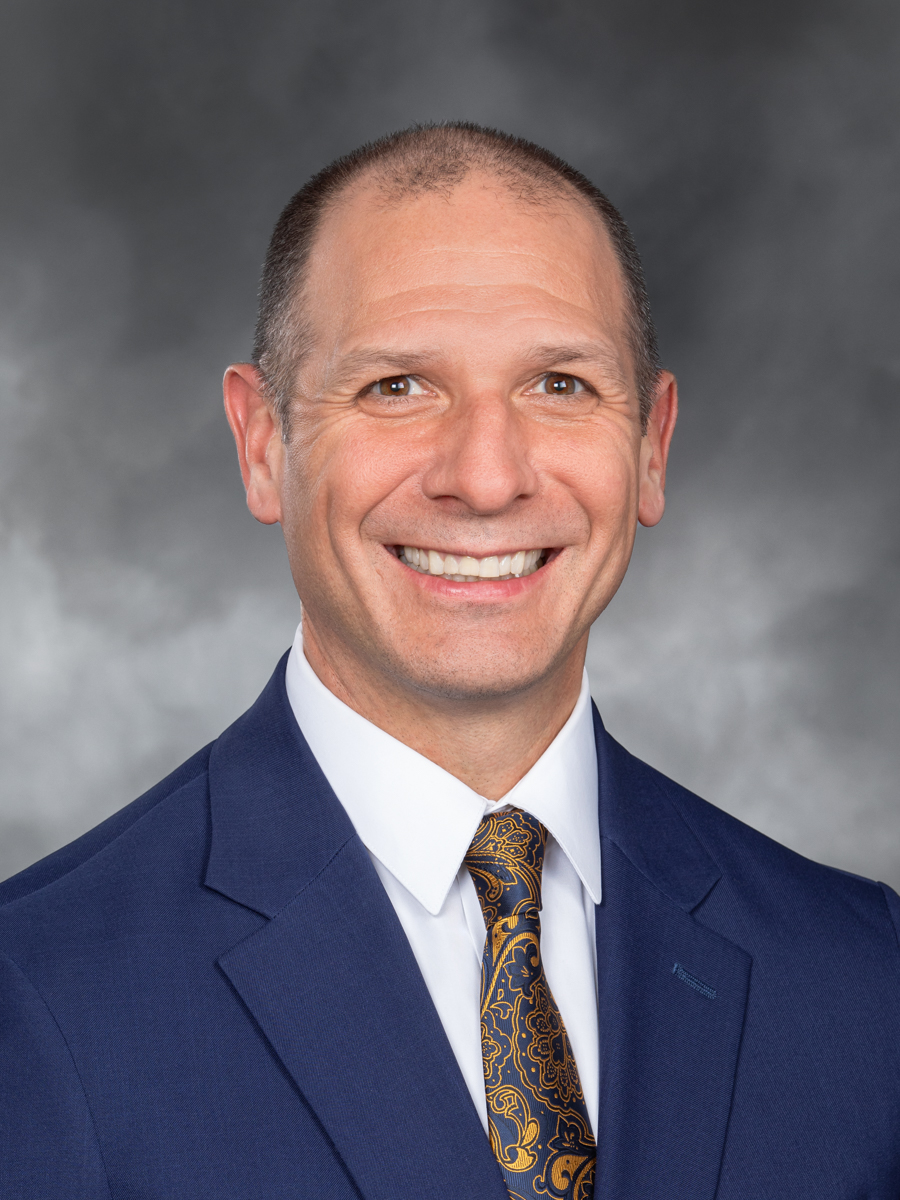
Rep. Peter Abbarno
Sponsored bills
Maddy summaryHB 2452 requires landlords in manufactured and mobile home communities to provide tenants with a standardized notice for rent increases, detailing the exact percentage and dollar amount of the increase. The notice must also explain if the increase exceeds Washington’s 5% annual limit and include supporting documentation for any claimed exemptions (such as community purchases or public housing programs). This applies specifically to tenants in manufactured/mobile home communities, not all rental properties. The bill amends existing laws to ensure transparency and compliance with rent increase rules.
Maddy summaryHB 2338 authorizes community-scale weatherization projects that cover multiple homes in the same neighborhood facing shared environmental, social, or economic challenges. Sponsors like community groups, tribes, or utilities can apply for state funds to implement energy efficiency upgrades, structural repairs, and healthy housing improvements across entire neighborhoods - rather than just single homes. The department must prioritize proposals serving areas with environmental health disparities and low-income households (defined as 80% of median income), requiring data-driven community assessments. Projects must include energy audits and avoid charging households for weatherization services, while aligning with federal energy efficiency programs.
Maddy summaryHB 2317 amends Washington State's early learning program licensing rules by adding "outdoor nature-based child care" as a defined program type, requiring such programs to operate in approved outdoor spaces for at least four hours daily and follow a nature-based curriculum. It expands the definition of "early learning" to explicitly include services like preschool, child care subsidies, parent education, and nature-based programs. The bill clarifies exemptions for certain providers, including seasonal camps, military-affiliated programs, and nature-based programs meeting specific criteria, removing them from full licensing requirements. These changes directly affect child care centers, family providers, and early learning programs operating under state oversight.
Maddy summaryThis bill is a House resolution that formally recognizes Representative Virginia "Jenny" Graham for her public service in the Washington State House of Representatives. It highlights her eight-year tenure, her advocacy for public safety, and her work on community safety and veterans' issues. The resolution does not create new laws or policies but serves as an official acknowledgment of her contributions and legacy.
Maddy summaryThis bill is a House resolution that formally honors John Michael Sattgast for his 35 years of dedicated service as a communications professional for the House Republican Caucus in the Washington State Legislature. It recognizes his work producing over 4,000 radio stories and coordinating media coverage for state representatives, as well as his leadership roles with the National Conference of State Legislatures. The resolution acknowledges his contributions to sharing legislative history and public information, noting his receipt of the 2023 Legislative Staff Achievement Award. This measure serves as a commemorative tribute rather than establishing new policy or affecting government operations.
Maddy summaryThis bill formally acknowledges the service of Representative Steve Tharinger to his district and the Washington state legislature. It recognizes his long career in public service, including his time as a Clallam County Commissioner, his work on the House Capital Budget Committee, and his advocacy for environmental protection and healthcare. The resolution serves as a commemorative tribute to his contributions and personal qualities rather than establishing new laws or policies.
Maddy summaryHB 2343 requires publicly owned game farms in Washington (like those operated by the Department of Fish and Wildlife) to obtain water quality permits under the state's concentrated animal feeding operation (CAFO) program, which they currently avoid. It mandates these facilities to implement specific manure pollution prevention plans, groundwater monitoring, and reporting protocols - similar to private farms - when housing over 5,000 game birds. The bill explicitly includes pheasants and similar game birds in CAFO regulations and ensures public facilities meet the same water quality standards as private operations to prevent nitrate contamination of drinking water wells. This aligns public game farm management with existing environmental protections for private agricultural operations.
Maddy summaryHB 2574 ensures deceased candidates are removed from ballots in nonpartisan local elections (city, town, or special district offices). If a candidate dies before the general election, counties must either replace them with the third-place primary finisher (if ballots aren’t printed) or void votes for them (if ballots are printed). For offices without primaries, the deceased candidate’s name is excluded from ballots or their votes are not counted. If the deceased candidate was the only one filed, the election for that office is voided.
Maddy summaryHB 2133 makes permanent a property tax exemption for multipurpose senior citizen centers that was originally established temporarily in 2017. The bill modifies state law to ensure these centers no longer lose their tax exemption after the temporary period ends, directly affecting qualifying senior centers that provide community services. This change removes the temporary nature of the exemption created under Chapter 301, Laws of 2017, ensuring ongoing tax relief for these facilities.