

Maddy summaryHB 2110 establishes minimum personnel requirements for ambulance services during interfacility specialty care transports, which are transfers of critically ill or injured patients between medical facilities. The bill requires ambulances providing specialty care transport - defined as care needing physician, registered nurse, or specially trained paramedic-level personnel - to have sufficient staff, including at least one emergency medical technician (EMT) under secretary-promulgated standards. It amends existing Washington state law (RCW 18.73.030 and 18.73.150) to clarify definitions and standards for these specialized transports, ensuring consistent protocols for patient safety during critical transfers. This directly affects ambulance services, EMTs, and hospitals coordinating patient transfers.
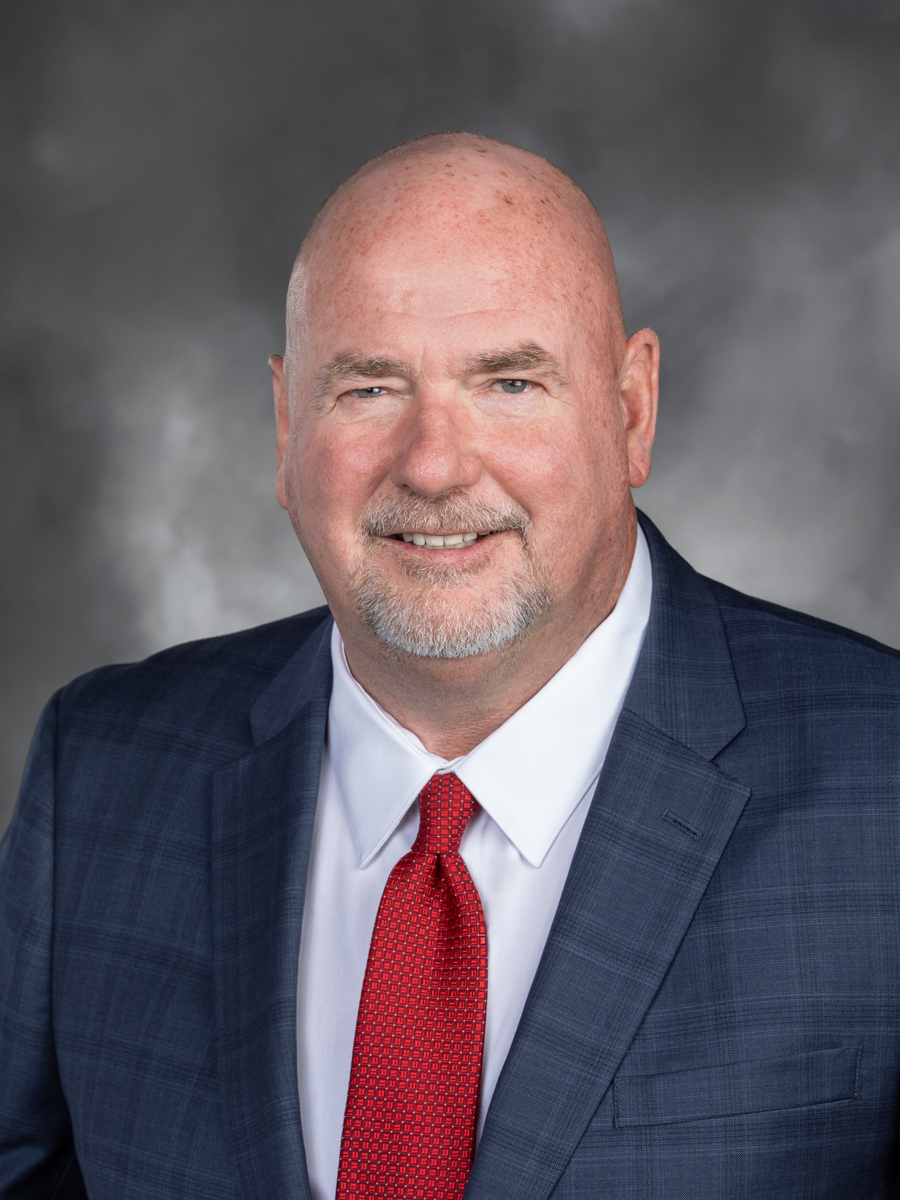
Rep. Dave Stuebe
Sponsored bills
Maddy summaryHB 2467 updates Washington State's vehicle length limits to specifically address fifth-wheel travel trailers used for recreation. It sets two key length limits for these trailers (hitched to pickup trucks): 38 feet for single-axle models and 40 feet for multi-axle models, measured from the kingpin to the rearmost axle. The bill directly affects recreational vehicle owners who use fifth-wheel trailers, replacing a previous general 46-foot limit for "travel trailer" under the same section. These changes clarify permissible sizes for this common type of travel trailer on state highways.
Maddy summaryThis bill is a House resolution that formally recognizes Representative Virginia "Jenny" Graham for her public service in the Washington State House of Representatives. It highlights her eight-year tenure, her advocacy for public safety, and her work on community safety and veterans' issues. The resolution does not create new laws or policies but serves as an official acknowledgment of her contributions and legacy.
Maddy summaryThis bill is a House resolution that formally honors John Michael Sattgast for his 35 years of dedicated service as a communications professional for the House Republican Caucus in the Washington State Legislature. It recognizes his work producing over 4,000 radio stories and coordinating media coverage for state representatives, as well as his leadership roles with the National Conference of State Legislatures. The resolution acknowledges his contributions to sharing legislative history and public information, noting his receipt of the 2023 Legislative Staff Achievement Award. This measure serves as a commemorative tribute rather than establishing new policy or affecting government operations.
Maddy summaryThis bill formally acknowledges the service of Representative Steve Tharinger to his district and the Washington state legislature. It recognizes his long career in public service, including his time as a Clallam County Commissioner, his work on the House Capital Budget Committee, and his advocacy for environmental protection and healthcare. The resolution serves as a commemorative tribute to his contributions and personal qualities rather than establishing new laws or policies.
Maddy summaryHB 2223 clarifies conflict-of-interest rules for irrigation district directors in rural Washington communities. It modifies state law to allow directors to have limited financial interests in contracts with their districts - specifically permitting contracts totaling up to $3,000 per month (or $36,000 annually for smaller districts) without triggering conflict-of-interest restrictions. The bill explicitly excludes irrigation districts covering fewer than 50,000 acres from stricter limits that apply to larger cities, counties, or districts. This adjustment aims to prevent qualified rural residents from being disqualified from serving as directors due to overly broad existing statutes. The changes apply directly to irrigation district directors in small rural communities, ensuring they can participate in local governance without undue legal barriers.
Maddy summaryThis bill requires most health insurance plans (excluding public employee plans) to cover intravenous immunoglobulin therapy for children diagnosed with PANDAS (pediatric autoimmune neuropsychiatric disorders associated with streptococcal infections) or PANS (pediatric acute-onset neuropsychiatric syndrome) starting January 2027. It mandates coverage for three initial monthly treatment courses and ongoing care as medically necessary, after less intensive treatments fail or aren't tolerated. The law prohibits insurers from denying coverage based on prior treatment history, diagnostic name changes, requiring ineffective symptom-only therapies first, or restricting coverage inconsistent with medical guidelines. It also ensures coverage for out-of-state treatment when local care isn't available.
Maddy summaryHouse Bill 1759 designates December 12th as "the day of the 12s" in Washington state. This bill adds the designation to a list of recognized days within state law that are not considered legal holidays for any purpose.
Maddy summaryHB 2417 updates Washington's military justice code to extend specific victim protections to members of the state National Guard (organized militia) who experience crimes while serving in their state capacity. It directly affects National Guard members who are victims of offenses under the state military code. The bill establishes concrete rights including protection from the accused, timely notice of court proceedings, the right to be heard at key hearings, privacy safeguards, and access to restitution. These provisions align state military justice standards with federal protections to ensure consistent victim treatment during both federal and state service.
Maddy summaryHB 2531 adjusts how ambulance transport providers in Washington pay a quality assurance fee to align with federal Medicaid reimbursement rules. It replaces the previous 5.5% fee calculation with a new method based on federal reimbursement rates and actual emergency transport data, requiring annual adjustments. The fee funds emergency ambulance services through Medicaid reimbursements without reducing existing state funding, and providers must pay quarterly based on their prior-quarter transports. This directly affects all ambulance transport providers in Washington who serve Medicaid patients.