

Protecting the clinical autonomy of audiologists.
SB 6226 (Protecting the clinical autonomy of audiologists) ensures Washington audiologists can use their clinical judgment to decide whether telehealth or in-person care is best for each patient. It amends state law to prevent regulations from creating different standards for telehealth versus in-person services, requiring all rules to be "modality-agnostic." The bill specifically prohibits the licensing board from making rules that block audiologists (and other hearing/speech professionals) from determining appropriate care methods. It allows the board to still set standards for care quality, safety, and documentation, as long as these don’t override clinical decisions about care delivery. This bill directly affects audiologists, hearing aid specialists, and speech-language pathologists providing care in Washington.
Bill status
signed
all 5 stages cleared
Introduction
Jan 2026
Committee Review
Mar 2026
Senate Passage
Mar 2026
House Passage
Mar 2026
Signed into Law
Mar 2026
Introduced Jan 20, 2026
Signed Mar 24, 2026
Maddy AI version diff · 2 comparisons
What changed between versions
Substitute Bill
→
Substitute Passed Legislature
·
3 edits
MINOR
The bill was certified as passed by both the Senate and House, expanding the scope of protected professionals from just audiologists to include speech-language pathologists and hearing aid specialists. The legislation ensures that rules for all these licensed professionals cannot prevent them from using their clinical judgment to decide between telehealth and in-person care.
Scope change
The bill's scope was expanded to include speech-language pathologists and hearing aid specialists alongside audiologists, ensuring all three professions have the same autonomy regarding telehealth decisions.
SCOPE
Added speech-language pathologists and hearing aid specialists to the list of professionals protected from rules that limit their clinical judgment on telehealth.
REQUIREMENT
Updated the definition of 'licensed practitioners' in the board's rule-making authority to explicitly include 'licensed professionals' instead of just practitioners.
Added specific language requiring 'evidence-based safety-related procedures' for the fitting and dispensing of prescription hearing aids.
Floor votes · Senate Mar 10, 2026 · House Mar 3, 2026
How they voted
51–0
Passed
Total votes 51
Mar 10, 2026
D
Democratic31
100% Yea
R
Republican20
100% Yea
Vote distribution
All Yea
All Nay
Mixed
No data
Full legislative history
Actions timeline
Total actions
28
Key actions
13
Committee
8
Mar 24, 2026
Signed into law
Governor signed.
executive
Mar 11, 2026
Lower · Passed
Speaker signed.
lower
Mar 11, 2026
Upper · Passed
President signed.
upper
Mar 10, 2026
Upper · Passed
Passed final passage; yeas, 49; nays, 0; absent, 0; excused, 0.
upper
Mar 10, 2026
Upper · Passed
Senate concurred in House amendments.
upper
Mar 3, 2026
Lower · Passed
Committee amendment(s) adopted with no other amendments.
lower
Mar 3, 2026
House · Passed
House Vote: pass (91-4-5)
house
Feb 25, 2026
Committee
Referred to Rules 2 Review.
lower
Feb 25, 2026
Lower · Passed
Minority; do not pass.
lower
Feb 25, 2026
Lower · Passed
HCW - Majority; do pass with amendment(s).
lower
Feb 25, 2026
Lower · Passed
Executive action taken in the House Committee on Health Care & Wellness at 1:30 PM.
lower
Feb 24, 2026
Lower · Passed
Public hearing in the House Committee on Health Care & Wellness at 1:30 PM.
lower
Feb 3, 2026
Upper · Passed
Executive action taken in the Senate Committee on Health & Long-Term Care at 10:30 AM.
upper
Jan 30, 2026
Upper · Passed
Public hearing in the Senate Committee on Health & Long-Term Care at 8:00 AM.
upper
1 primary · 2 co-sponsors
Sponsors
Role
Legislator
Party
State
District
P
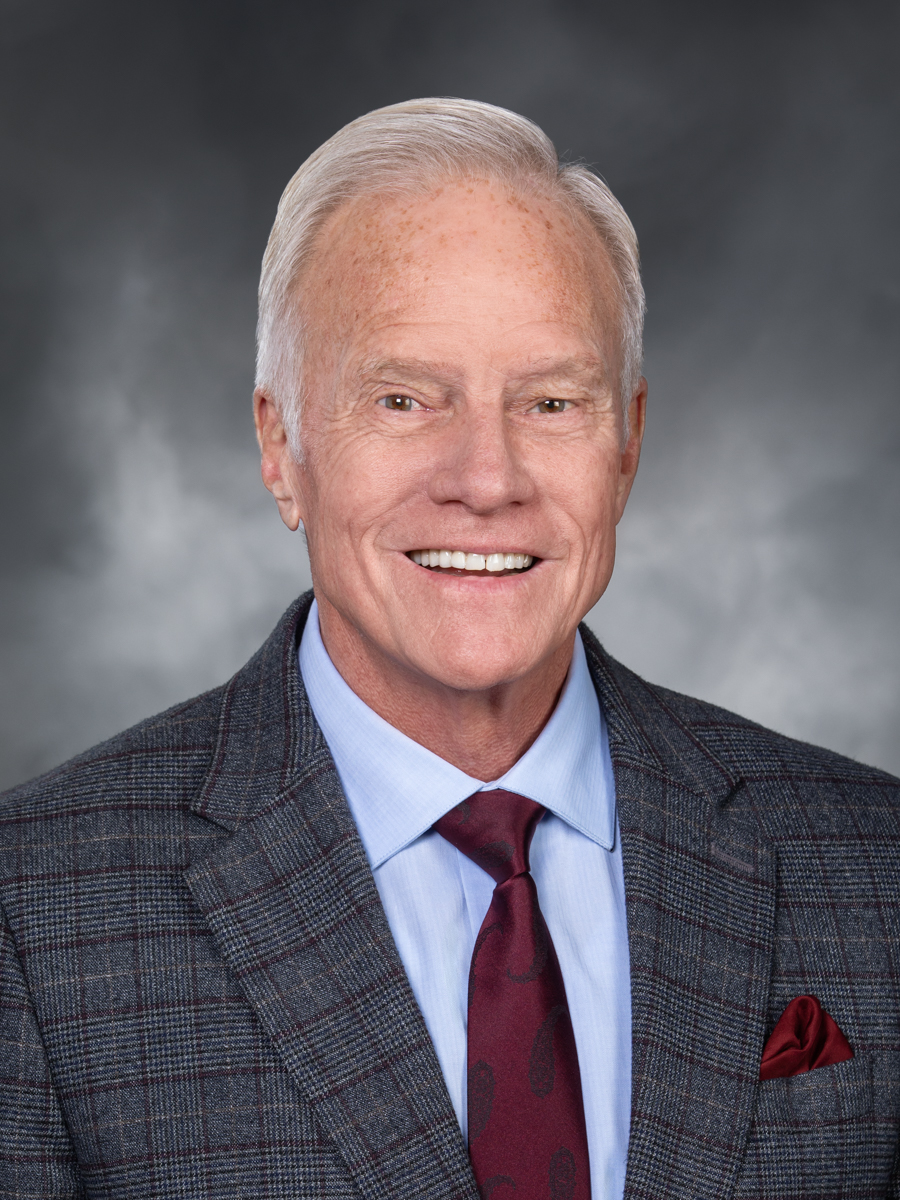
Paul Harris
RRepublican
Co
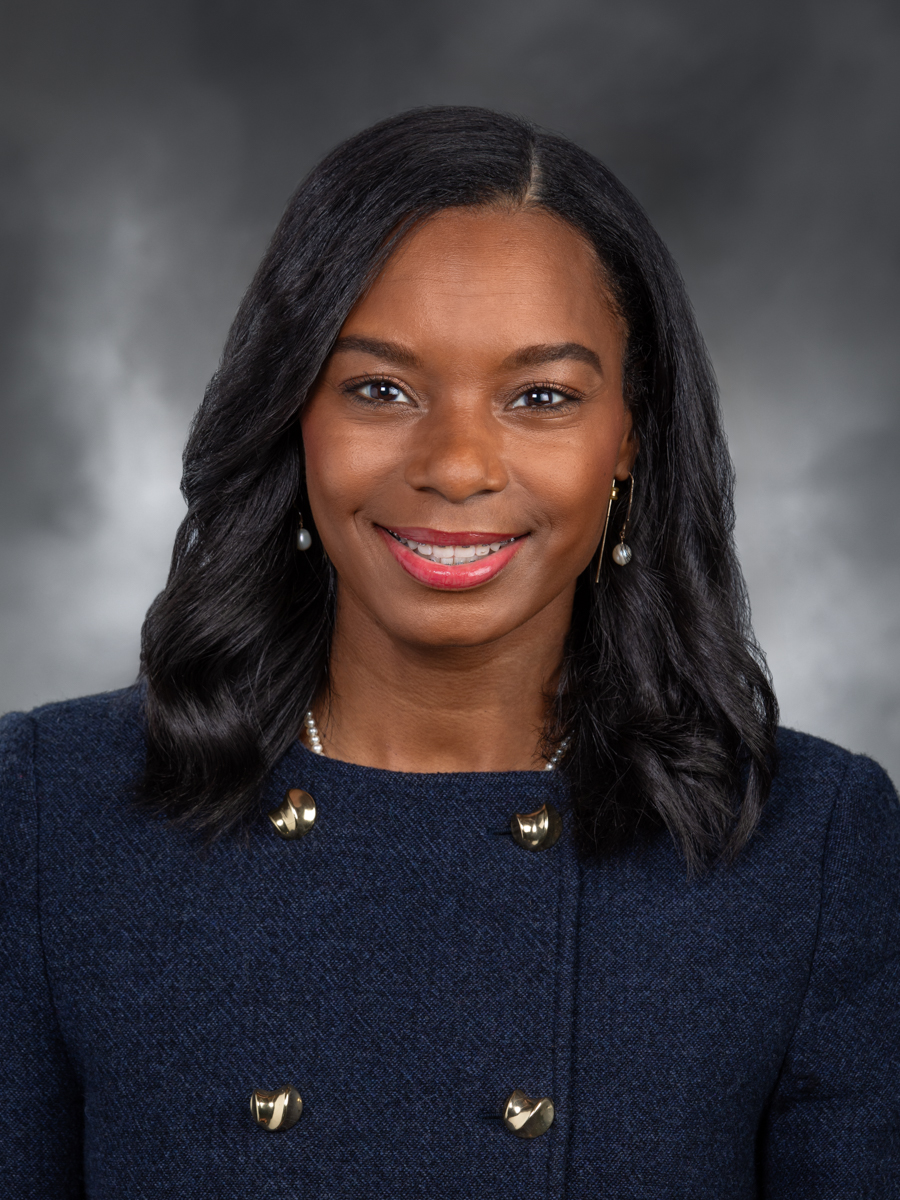
T'wina Nobles
DDemocratic
Co
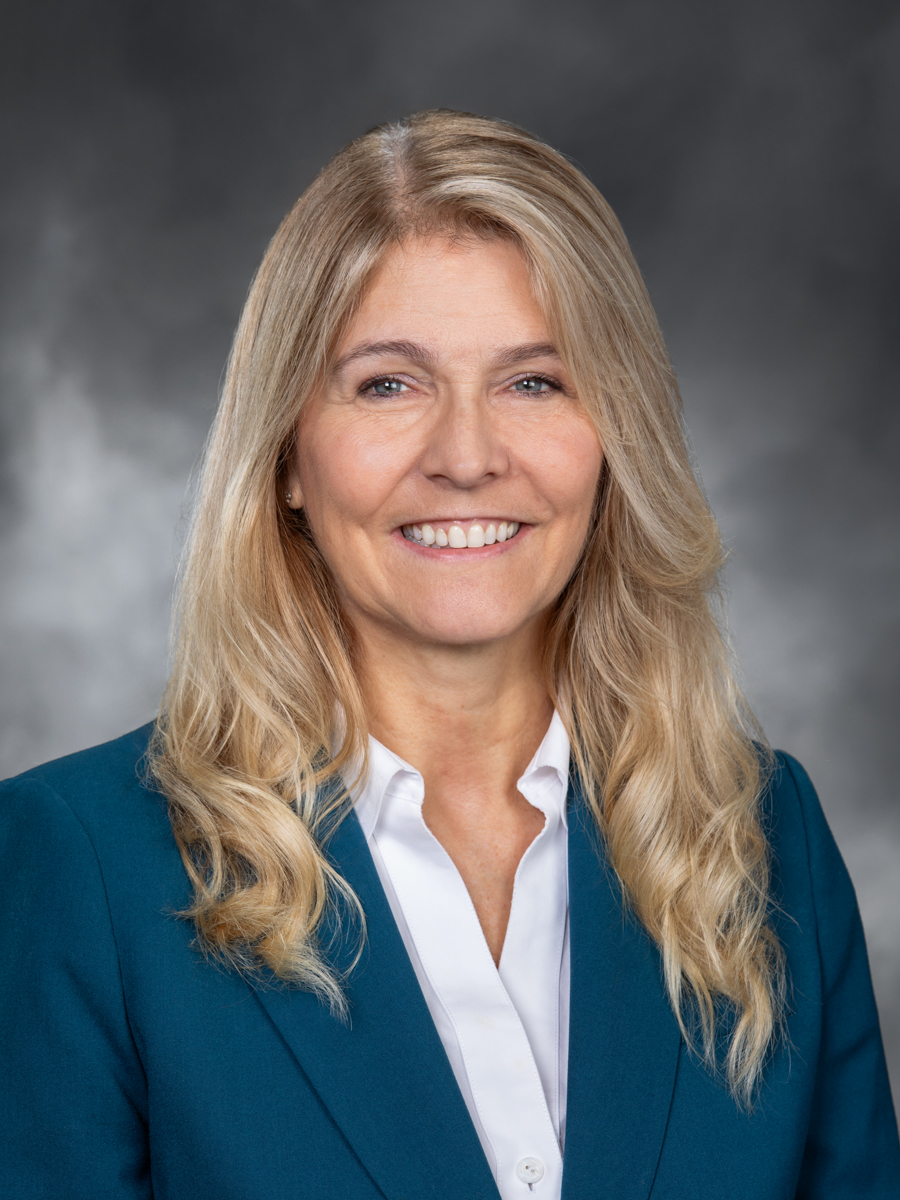
Tina Orwall
DDemocratic
Ask Maddy
·
AI policy assistant
Ask Maddy about SB 6226
Scope: WA
Hi! I can help you understand SB 6226. What would you like to know?
Try one of these
i
Maddy answers using official bill text and legislative records. Always verify before sharing.
Sources cited inline