

Strengthening security for Washington state judicial officers and court personnel.
SB 6086 authorizes Washington state court bailiffs and security consultants to conduct threat assessments and access limited criminal history data (including unconvicted incidents) specifically to investigate threats against judges, justices, and court personnel. It requires staff to be trained for these duties, strictly restricts data use to threat investigations, and mandates referrals to local law enforcement for verified threats. The bill clarifies that "judicial officer" includes all state and federal court staff (from supreme courts to municipal courts) and adds new rules for securely handling nonconviction data. These changes aim to strengthen security protocols while limiting data access to only authorized threat-related purposes under strict confidentiality rules.
Bill status
passed
3 of 5 stages cleared
Introduction
Jan 2026
Committee Review
Feb 2026
Senate Passage
Feb 2026
House Passage
Governor
Introduced Jan 13, 2026
Last action Mar 12, 2026
Maddy AI version diff · 2 comparisons
What changed between versions
Substitute Bill
→
Engrossed Substitute Bill
·
3 edits
·
Feb 16, 2026
MINOR
The bill was reclassified from a 'Substitute' to an 'Engrossed Substitute' version, indicating it has passed the Senate and is ready for the House. The most significant substantive change is renaming 'court security consultants' to 'court security personnel,' which likely broadens the scope of who can access threat assessment data and conduct investigations. Additionally, the definition of 'judicial officer' was expanded to include industrial appeals judges, extending the protections and data access provisions to this specific group.
Scope change
The bill's scope was slightly expanded to include industrial appeals judges under the definition of 'judicial officer,' and the role of 'court security consultants' was broadened to 'court security personnel.'
DEFINITION
The term 'court security consultants' was changed to 'court security personnel' throughout the bill, potentially expanding the pool of authorized staff who can handle sensitive threat data.
The definition of 'judicial officer' was updated to explicitly include 'industrial appeals judges appointed under Title 51 RCW,' extending the bill's protections to this specific category of judges.
TECHNICAL
The bill status changed from 'Substitute Senate Bill' to 'Engrossed Substitute Senate Bill,' reflecting its progression through the legislative process.
Floor votes · Senate Feb 16, 2026
How they voted
48–3
Passed
Total votes 51
Feb 16, 2026
D
Democratic31
100% Yea
R
Republican20
85% Yea
Vote distribution
All Yea
All Nay
Mixed
No data
Full legislative history
Actions timeline
Total actions
20
Key actions
10
Committee
10
Feb 25, 2026
Committee
Referred to Rules 2 Review.
lower
Feb 25, 2026
Lower · Passed
Minority; without recommendation.
lower
Feb 25, 2026
Lower · Passed
Minority; do not pass.
lower
Feb 25, 2026
Lower · Passed
CRJ - Majority; do pass.
lower
Feb 25, 2026
Lower · Passed
Executive action taken in the House Committee on Civil Rights & Judiciary at 8:00 AM.
lower
Feb 24, 2026
Lower · Passed
Public hearing in the House Committee on Civil Rights & Judiciary at 10:30 AM.
lower
Feb 16, 2026
Upper · Passed
Floor amendment(s) adopted.
upper
Feb 3, 2026
Upper · Passed
Minority; without recommendation.
upper
Feb 3, 2026
Upper · Passed
Minority; do not pass.
upper
Feb 3, 2026
Upper · Passed
Executive action taken in the Senate Committee on Law & Justice at 8:30 AM.
upper
Jan 22, 2026
Upper · Passed
Public hearing in the Senate Committee on Law & Justice at 10:30 AM.
upper
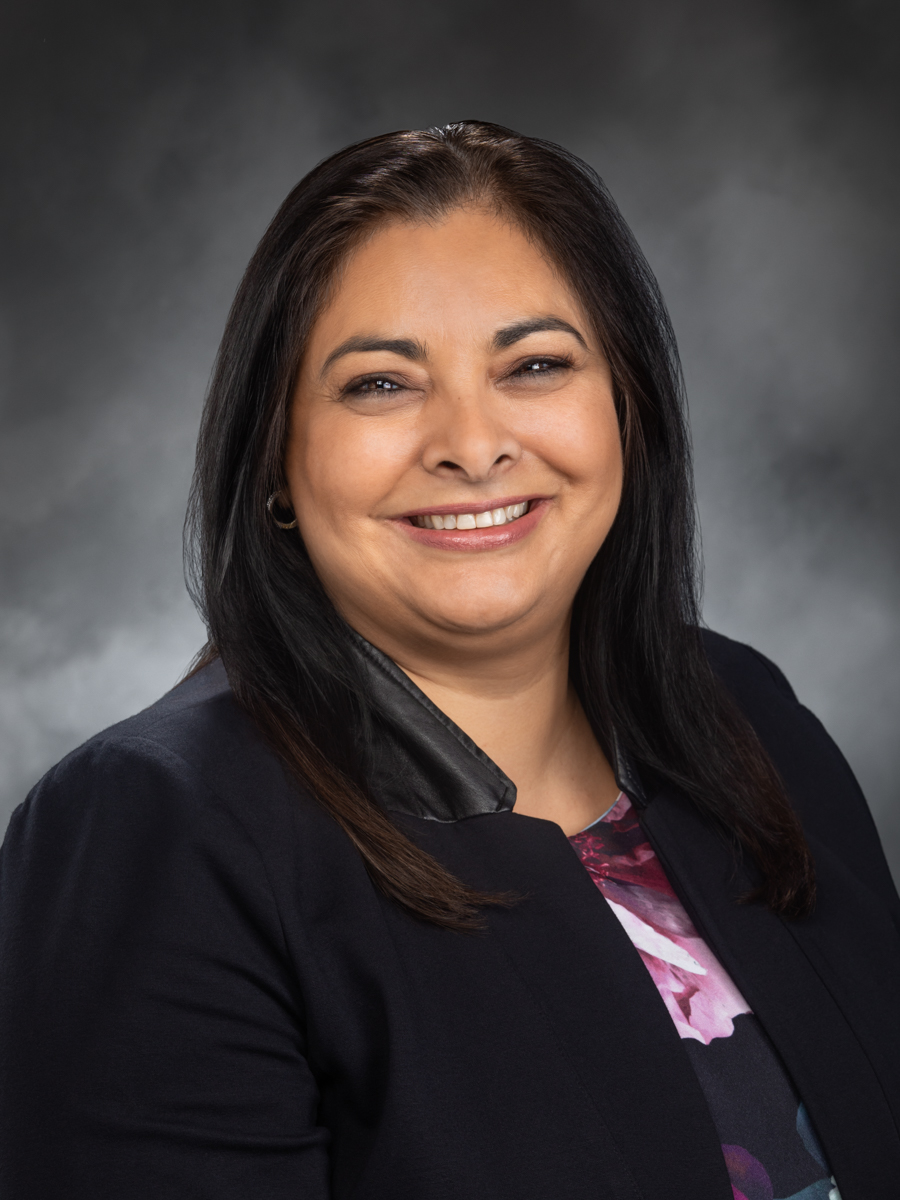
1 primary · 9 co-sponsors
Sponsors









Ask Maddy
·
AI policy assistant
Ask Maddy about SB 6086
Scope: WA
Hi! I can help you understand SB 6086. What would you like to know?
Try one of these
i
Maddy answers using official bill text and legislative records. Always verify before sharing.
Sources cited inline