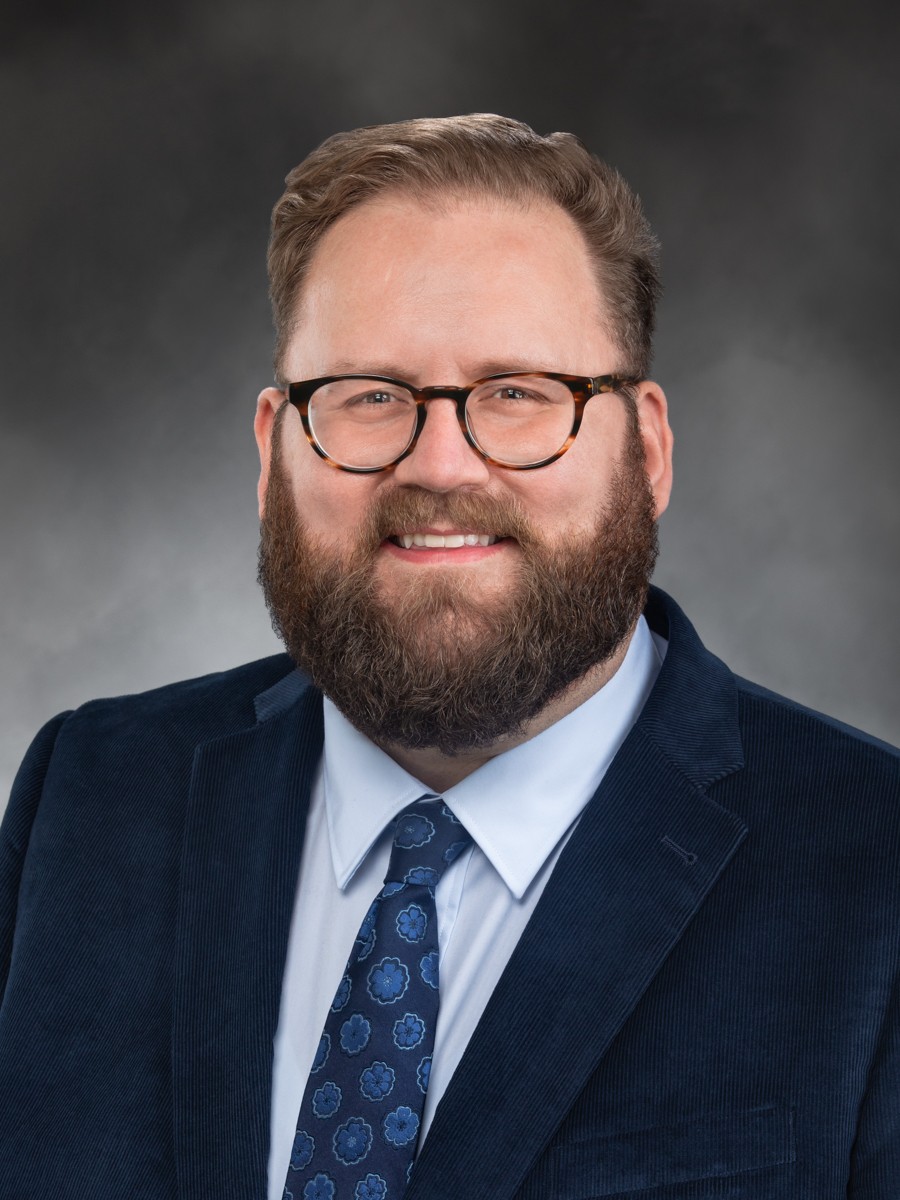
SB 6061 Washington Senate · 2025-2026 Regular Session

Establishing a tourism self-supported assessment program to fund statewide tourism promotion.

SB 6061 would create a self-funded tourism promotion program in Washington, requiring eligible businesses (like hotels, restaurants with $5M+ annual revenue, attractions, and retailers) to pay an annual fee based on gross revenue. The collected funds would support statewide tourism marketing and promotion efforts managed by a board of business representatives. The program requires industry approval via referendum before implementation and establishes a ratepayer oversight board to set assessment rates, approve budgets, and report annually. This aims to coordinate tourism marketing, boost visitor spending, and address fragmented promotion efforts affecting Washington's competitiveness.
Bill status in committee 1 of 4 stages cleared
Introduction
Jan 2026
Committee Review
Floor Vote
Governor
Introduced Jan 9, 2026 Last action Mar 10, 2026
Maddy AI version diff · 1 comparison

What changed between versions

Bill Substitute Bill · 6 edits
MODERATE
This bill was amended to expand the definition of 'tourism business' to include large full-service restaurants and retailers with over $5 million in annual revenue. The changes also clarify the authority's role in administering funds, adjust the number of business representatives on the oversight board, and remove specific geographic limits on city appointments.
Scope change
The bill now applies to a broader range of businesses, specifically adding full-service restaurants and retailers with revenues exceeding $5,000,000 per year to the list of entities subject to the tourism assessment.
ELIGIBILITY

Expanded the definition of 'tourism business' to include full-service restaurant locations and retailer locations with annual revenues exceeding $5,000,000.

REQUIREMENT

Changed the composition of the ratepayer oversight board to require at least two representatives from each sector, including the newly added restaurant and retail sectors.

Increased the maximum number of business representatives appointed by the governor from two per county to four per county and removed the limit of one appointment per city.

Clarified that the authority's primary activities of administering government tax funds are governed by the authority itself, rather than the board of directors.

Removed the requirement for the ratepayer oversight board to prepare a list of nominees for the initial board, shifting that responsibility to the existing advisory group.

DEFINITION

Updated the initial board term from six months until referendum completion to a fixed six-month term.
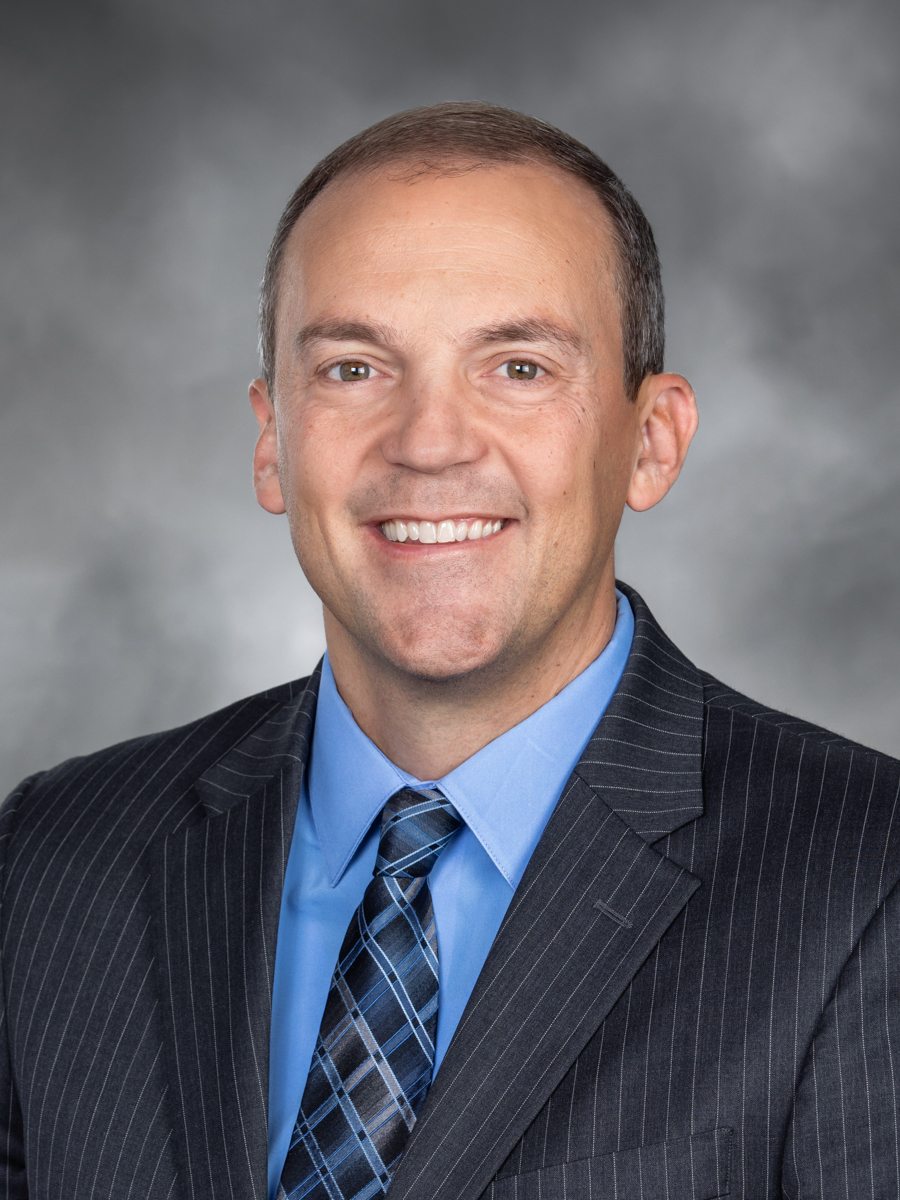

Floor votes

How they voted

No floor votes recorded yet.
Full legislative history

Actions timeline

Total actions
9
Key actions
3
Committee
3
Jan 28, 2026
Upper · Passed
Minority; without recommendation.
upper
Jan 28, 2026
Upper · Passed
Executive action taken in the Senate Committee on Business, Trade & Economic Development at 8:00 AM.
upper
Jan 22, 2026
Upper · Passed
Public hearing in the Senate Committee on Business, Trade & Economic Development at 8:00 AM.
upper
1 primary · 4 co-sponsors

Sponsors