

Concerning the general powers and duties of the attorney general’s office.
SB 5925 expands the Washington Attorney General's authority to issue written civil investigative demands during investigations into possible violations of specific state and federal laws. It allows the Attorney General to require entities or individuals to produce documents, provide written answers, or give oral testimony, with clear requirements for how these demands must be structured and served. The bill specifies that demands must detail the laws under investigation, describe requested materials precisely, set reasonable deadlines, and protect privileged information. It also includes confidentiality rules prohibiting disclosure of the demand without court approval, with misdemeanor penalties for violations. The law applies only to civil investigations, not criminal prosecutions.
Bill status
signed
all 5 stages cleared
Introduction
Dec 2025
Committee Review
Mar 2026
Senate Passage
Mar 2026
House Passage
Mar 2026
Signed into Law
Mar 2026
Introduced Dec 22, 2025
Signed Mar 30, 2026
Maddy AI version diff · 3 comparisons
What changed between versions
Engrossed Substitute Bill
→
Substitute Passed Legislature
·
4 edits
MODERATE
The bill was enrolled and passed by the legislature. Substantively, it added new reporting requirements for the attorney general to submit annual usage statistics on civil investigative demands within four years. It also clarified rules for sharing information with other law enforcement agencies, explicitly prohibiting the sharing of materials for criminal investigations.
Scope change
The bill's scope was expanded to include a mandatory reporting mechanism for the attorney general regarding the use of civil investigative demands.
REQUIREMENT
Requires the attorney general to submit a report to the legislature within four years detailing the number of demands issued, set aside, resolved informally, and litigated.
ENFORCEMENT
Clarified that the attorney general cannot share investigative materials with law enforcement agencies for the purpose of criminal investigations.
Added criteria requiring civil investigative demands to be within the attorney general's authority, not indefinite, and reasonably relevant to the investigation.
ADDED
Added a specific exemption preventing the issuance of demands against federal government agencies for conduct related to their official duties.
Floor votes · Senate Feb 11, 2026 · House Mar 4, 2026
How they voted
32–19
Passed
Total votes 51
Feb 11, 2026
D
Democratic31
100% Yea
R
Republican20
95% Nay
Vote distribution
All Yea
All Nay
Mixed
No data
Full legislative history
Actions timeline
Total actions
31
Key actions
15
Committee
9
Mar 30, 2026
Signed into law
Governor signed.
executive
Mar 11, 2026
Lower · Passed
Speaker signed.
lower
Mar 11, 2026
Upper · Passed
President signed.
upper
Mar 9, 2026
Upper · Passed
Passed final passage; yeas, 30; nays, 19; absent, 0; excused, 0.
upper
Mar 9, 2026
Upper · Passed
Senate concurred in House amendments.
upper
Mar 4, 2026
Lower · Passed
Committee amendment(s) adopted as amended.
lower
Mar 4, 2026
House · Passed
House Vote: pass (57-42-1)
house
Feb 25, 2026
Committee
Referred to Rules 2 Review.
lower
Feb 24, 2026
Lower · Passed
Minority; do not pass.
lower
Feb 24, 2026
Lower · Passed
CRJ - Majority; do pass with amendment(s).
lower
Feb 24, 2026
Lower · Passed
Executive action taken in the House Committee on Civil Rights & Judiciary at 10:30 AM.
lower
Feb 18, 2026
Lower · Passed
Public hearing in the House Committee on Civil Rights & Judiciary at 8:00 AM.
lower
Feb 11, 2026
Upper · Passed
Floor amendment(s) adopted.
upper
Feb 3, 2026
Upper · Passed
Minority; do not pass.
upper
Feb 3, 2026
Upper · Passed
Executive action taken in the Senate Committee on Law & Justice at 8:30 AM.
upper
Jan 20, 2026
Upper · Passed
Public hearing in the Senate Committee on Law & Justice at 8:00 AM.
upper
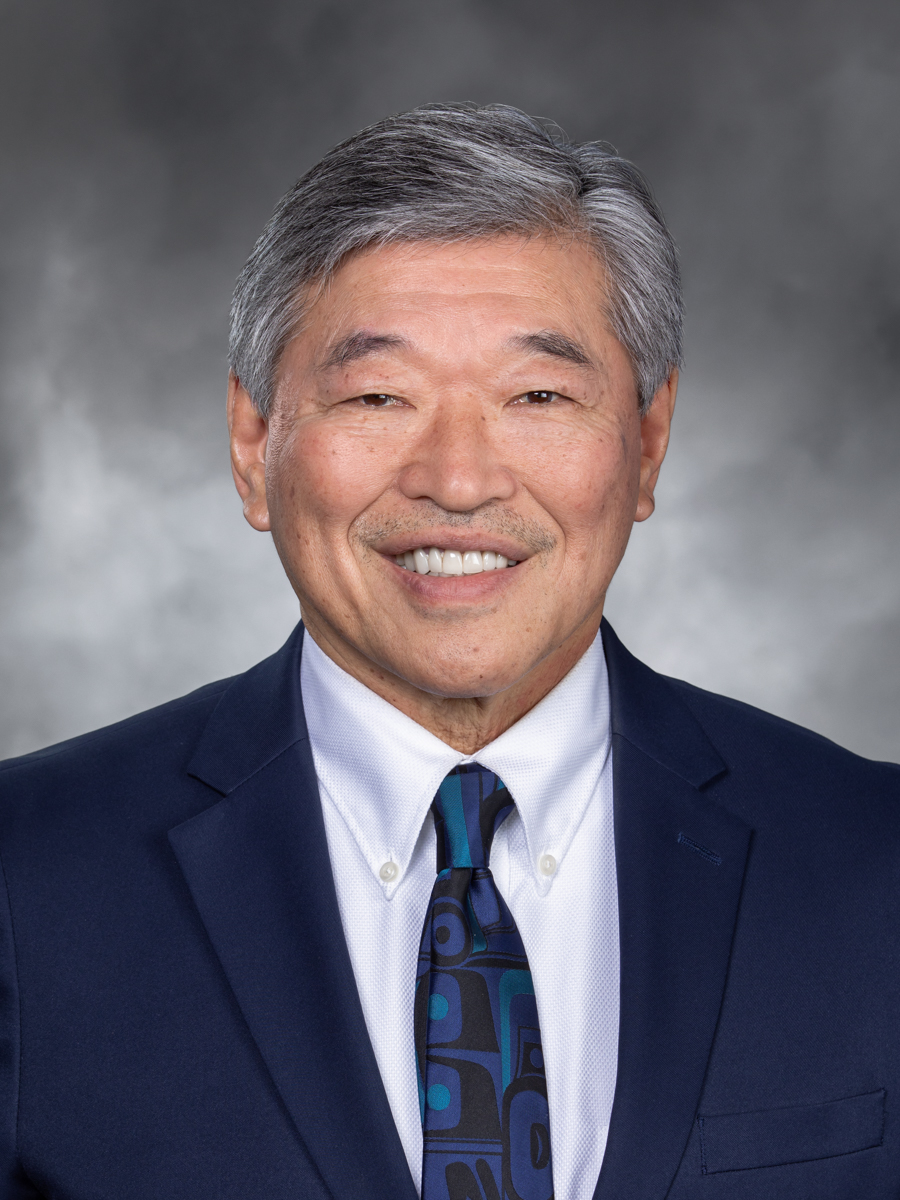
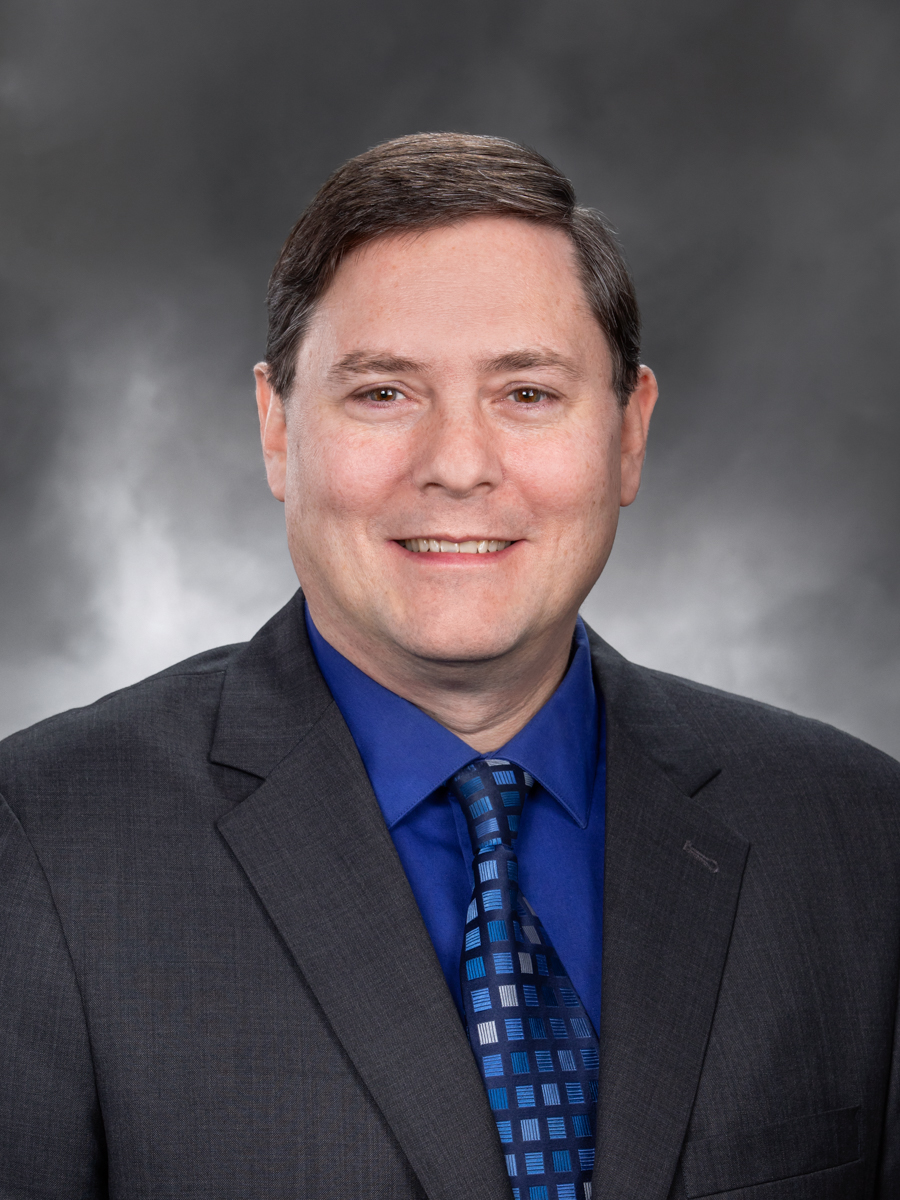
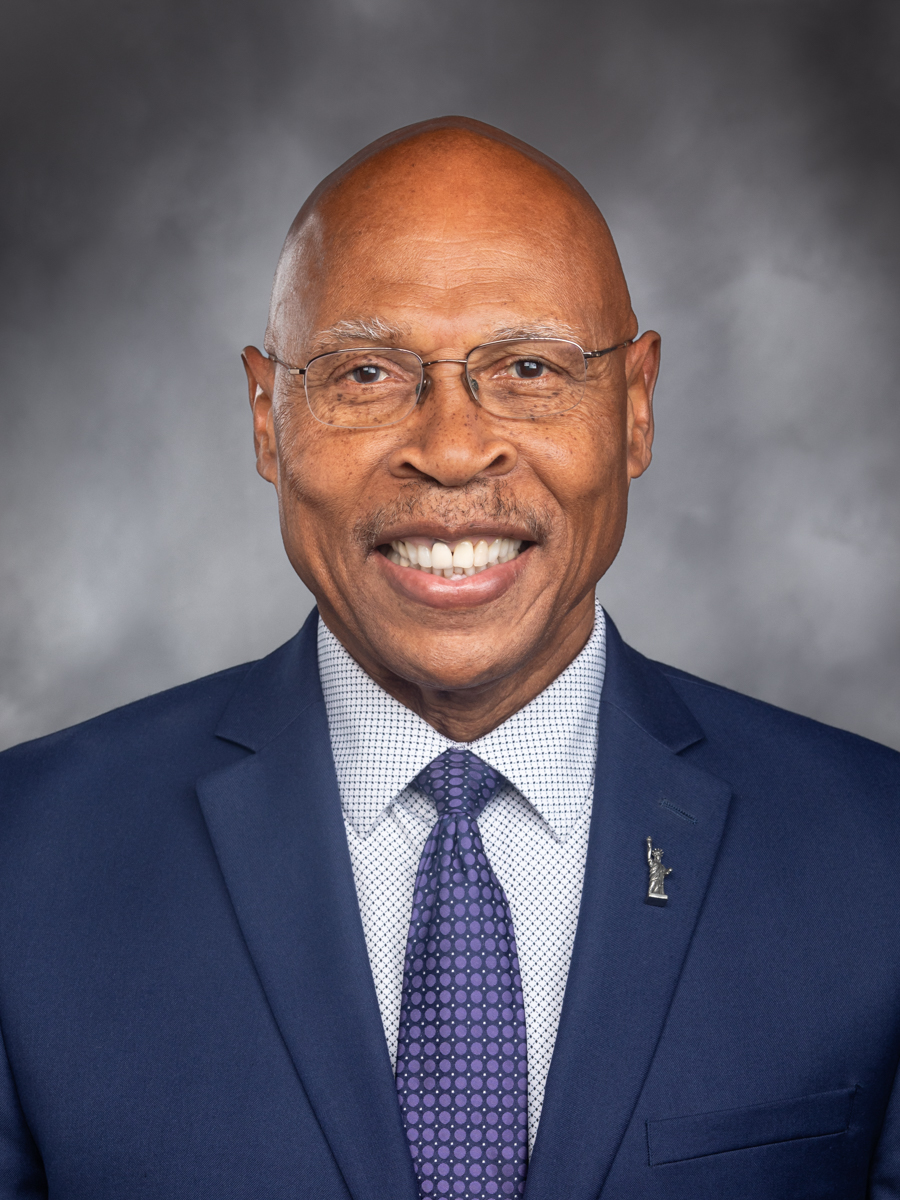
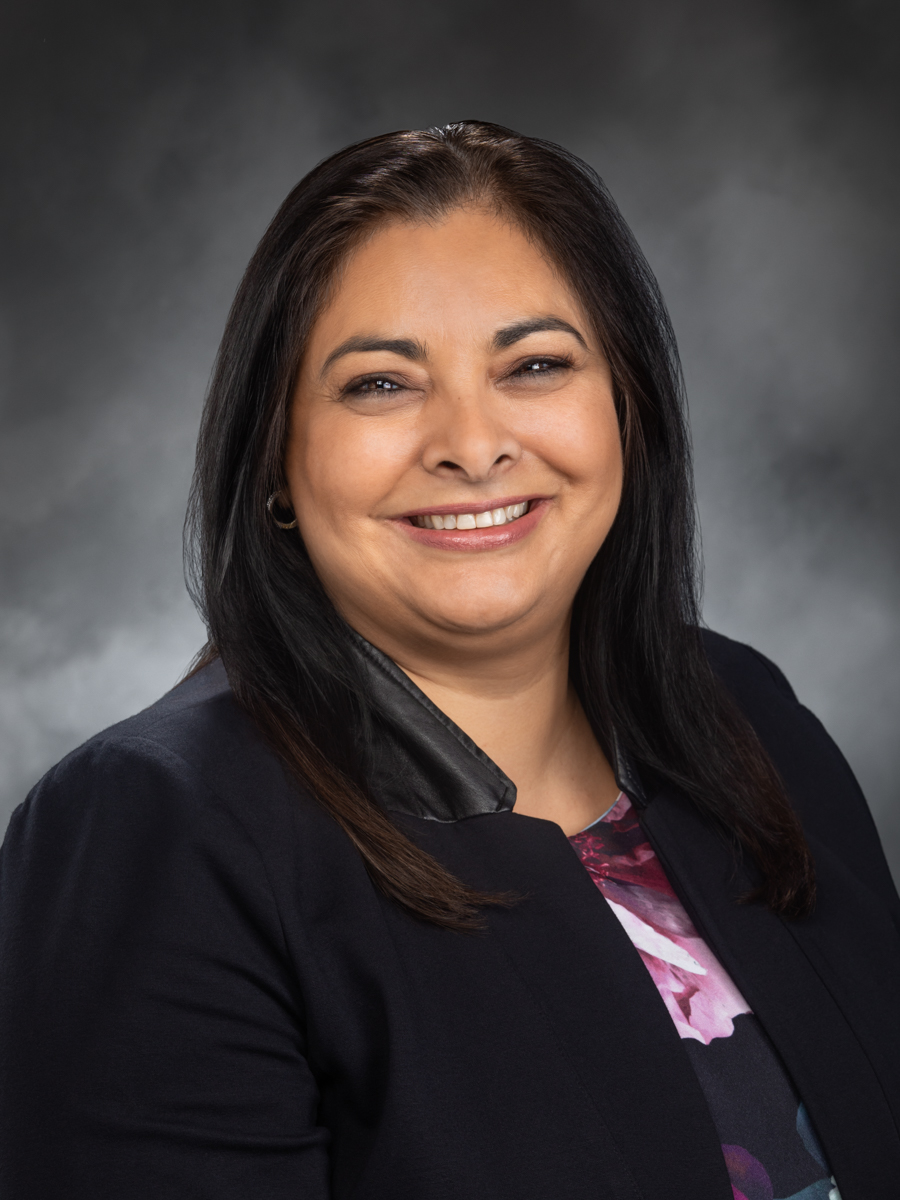
1 primary · 6 co-sponsors
Sponsors



Ask Maddy
·
AI policy assistant
Ask Maddy about SB 5925
Scope: WA
Hi! I can help you understand SB 5925. What would you like to know?
Try one of these
i
Maddy answers using official bill text and legislative records. Always verify before sharing.
Sources cited inline