

Concerning remedies for violations of federal constitutional rights occurring during immigration enforcement.
HB 2597 creates a legal remedy for people whose constitutional rights are violated during civil immigration enforcement actions in Washington, such as detention, questioning, or removal by government officials. It allows victims to sue for damages and seek attorney fees if they win their case, with lawsuits required to be filed within two years of the violation. The law specifically applies to actions taken "under color of law" during immigration enforcement, covering both immigrants and U.S. citizens within Washington's jurisdiction. It aligns with federal constitutional protections but does not override existing defenses like sovereign immunity.
Bill status
in committee
1 of 4 stages cleared
Introduction
Jan 2026
Committee Review
Floor Vote
Governor
Introduced Jan 20, 2026
Last action Feb 9, 2026
Maddy AI version diff · 1 comparison
What changed between versions
Bill
→
Substitute Bill
·
6 edits
MODERATE
The bill was renumbered from H-2999.1 to H-3398.1 and moved to a committee subcommittee for review. The core legal text was completely rewritten to replace Washington's original, broad liability rules with a version closely mirroring the federal 42 U.S.C. Section 1983 statute. This change significantly narrows the scope of liability by explicitly allowing defendants to claim immunity defenses and clarifying that sovereign immunity remains intact.
Scope change
The bill's scope was narrowed from a broad state-law liability framework to a specific cause of action that mirrors federal civil rights standards, including explicit immunity protections for defendants.
TECHNICAL
The bill number was changed from H-2999.9 to H-3398.1, and the sponsor list was updated to reflect committee assignment.
REQUIREMENT
The statute of limitations for filing a lawsuit was shortened from three years to two years.
Defendants are now explicitly allowed to assert absolute or qualified immunity defenses, and sovereign immunity is preserved.
Attorney fees for defendants are now only awarded if the plaintiff's case was clearly in excess of the officer's jurisdiction.
Injunctive relief against judicial officers is now restricted to cases where a declaratory decree was violated or relief was unavailable.
ELIGIBILITY
The definition of 'civil immigration enforcement' was expanded to include actions taken under federal law, not just state or local laws.
Floor votes
How they voted
No floor votes recorded yet.
Full legislative history
Actions timeline
Total actions
11
Key actions
7
Committee
9
Feb 9, 2026
Committee
Referred to Rules 2 Review.
lower
Feb 9, 2026
Lower · Passed
Minority; do not pass.
lower
Feb 9, 2026
Lower · Passed
APP - Majority; do pass 1st substitute bill proposed by Civil Rights & Judiciary.
lower
Feb 9, 2026
Lower · Passed
Executive action taken in the House Committee on Appropriations at 10:30 AM.
lower
Feb 6, 2026
Lower · Passed
Public hearing in the House Committee on Appropriations at 10:30 AM.
lower
Feb 4, 2026
Committee
Referred to Appropriations.
lower
Feb 4, 2026
Lower · Passed
Minority; do not pass.
lower
Feb 4, 2026
Lower · Passed
Executive action taken in the House Committee on Civil Rights & Judiciary at 8:00 AM.
lower
Jan 28, 2026
Lower · Passed
Public hearing in the House Committee on Civil Rights & Judiciary at 8:00 AM.
lower
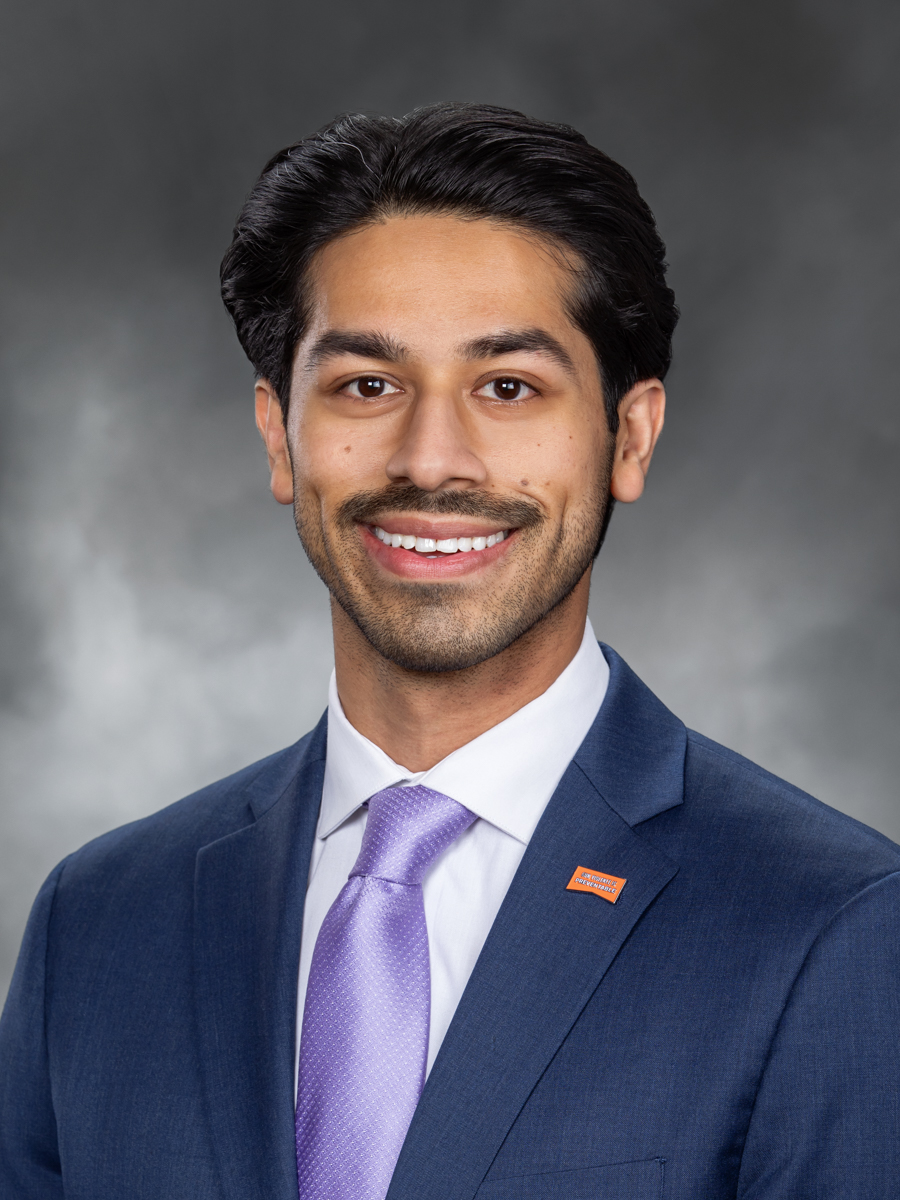
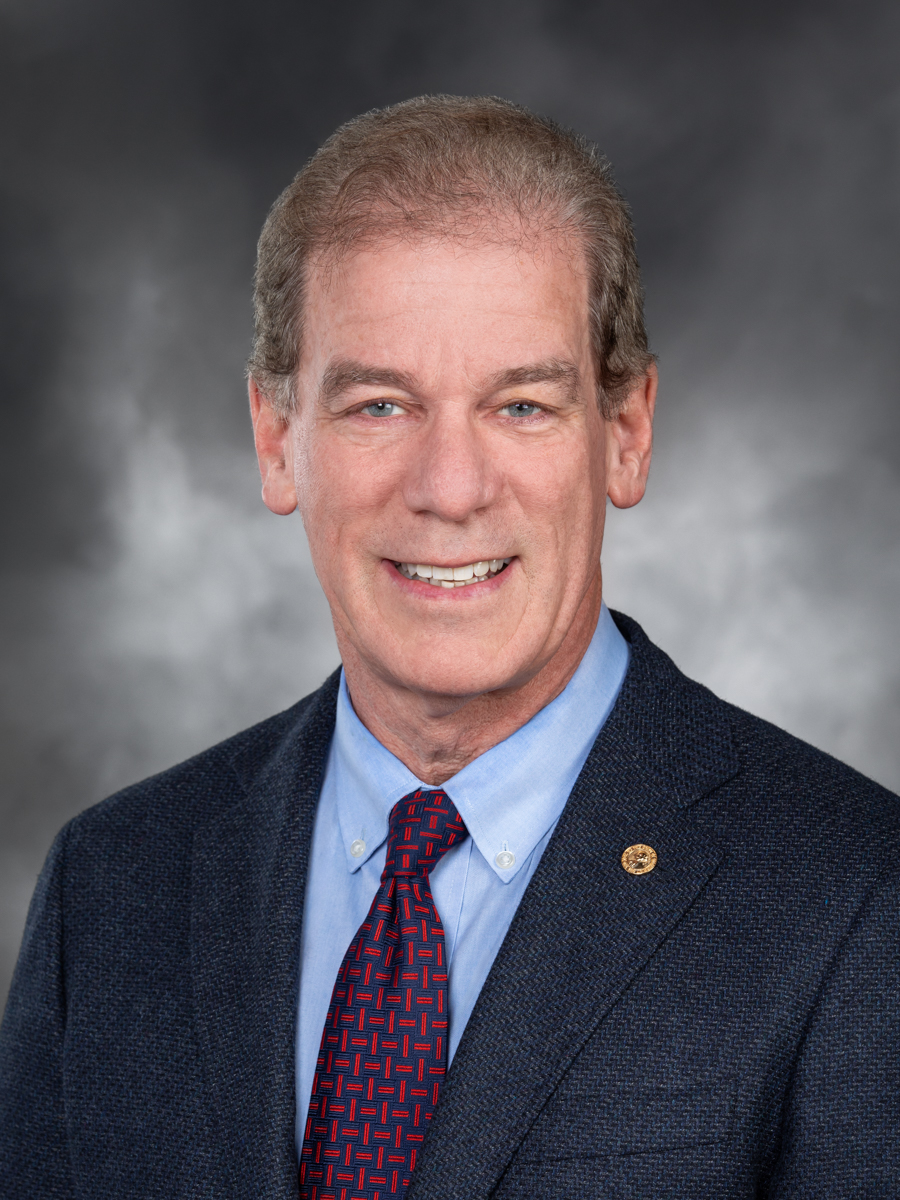
1 primary · 18 co-sponsors
Sponsors













Ask Maddy
·
AI policy assistant
Ask Maddy about HB 2597
Scope: WA
Hi! I can help you understand HB 2597. What would you like to know?
Try one of these
i
Maddy answers using official bill text and legislative records. Always verify before sharing.
Sources cited inline