

Incentivizing grocery stores located in underserved communities.
HB 2297 creates incentives to support grocery stores in underserved communities across Washington, directly affecting low-income residents, communities of color, rural populations, immigrants, refugees, and people with limited transportation access. The bill requires cities to adopt model tax ordinances that reduce structural cost barriers for grocery retailers through mechanisms like tax credits and standardized small business thresholds. It aims to preserve existing stores and encourage new development in areas where market forces have failed to provide adequate food access, with the goal of strengthening local jobs and neighborhood stability. The legislation focuses on concrete policy changes to address food access barriers, not on speculative outcomes.
Bill status
in committee
1 of 4 stages cleared
Introduction
Jan 2026
Committee Review
Floor Vote
Governor
Introduced Jan 7, 2026
Last action Feb 19, 2026
Maddy AI version diff · 1 comparison
What changed between versions
Bill
→
Substitute Bill
·
4 edits
MODERATE
The bill was renumbered from HB 2297 to Substitute House Bill 2297 (SHB 2297) and moved from the House to the House Finance Committee. The substantive text of the bill remains largely unchanged, though the Act title was updated to reference a different statute (RCW 35.21.710 instead of 82.04.050) and the formatting was standardized.
Scope change
The scope of the bill itself has not changed; it still focuses on providing property tax exemptions and business tax credits for grocery stores in underserved communities. The change is procedural, reflecting the bill's progression through the legislative process.
TECHNICAL
The bill number was changed from HB 2297 to SHB 2297, indicating it has been amended and is now a substitute version.
The Act title was updated to cite RCW 35.21.710 instead of RCW 82.04.050, likely reflecting a correction or update in the legislative markup process.
Formatting inconsistencies were corrected, such as standardizing the header layout and removing redundant text blocks.
The original list of sponsors was removed from the header and moved to a new section at the end of the document.
Floor votes
How they voted
No floor votes recorded yet.
Full legislative history
Actions timeline
Total actions
9
Key actions
3
Committee
4
Feb 9, 2026
Committee
Referred to Rules 2 Review.
lower
Feb 9, 2026
Lower · Passed
Minority; without recommendation.
lower
Feb 9, 2026
Lower · Passed
Executive action taken in the House Committee on Finance at 8:00 AM.
lower
Jan 30, 2026
Lower · Passed
Public hearing in the House Committee on Finance at 1:30 PM.
lower
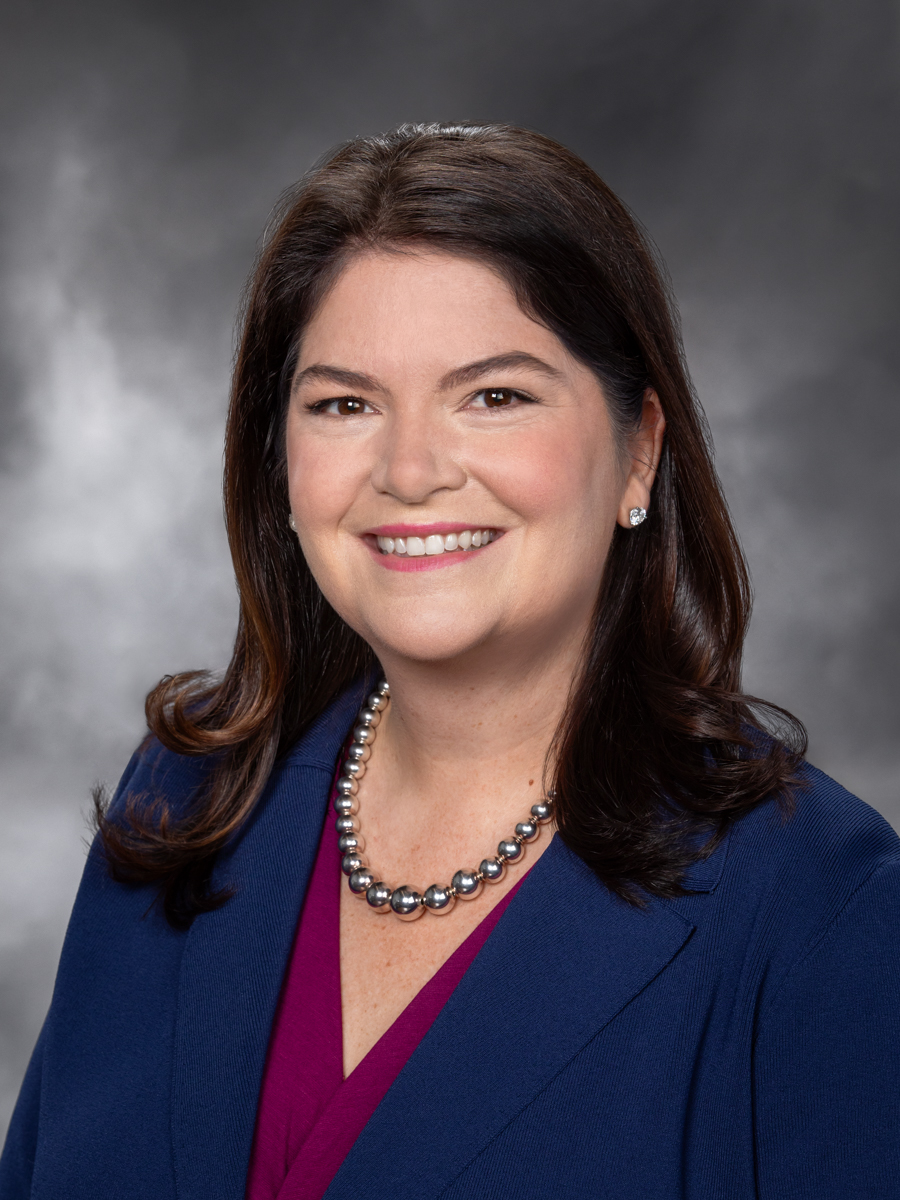
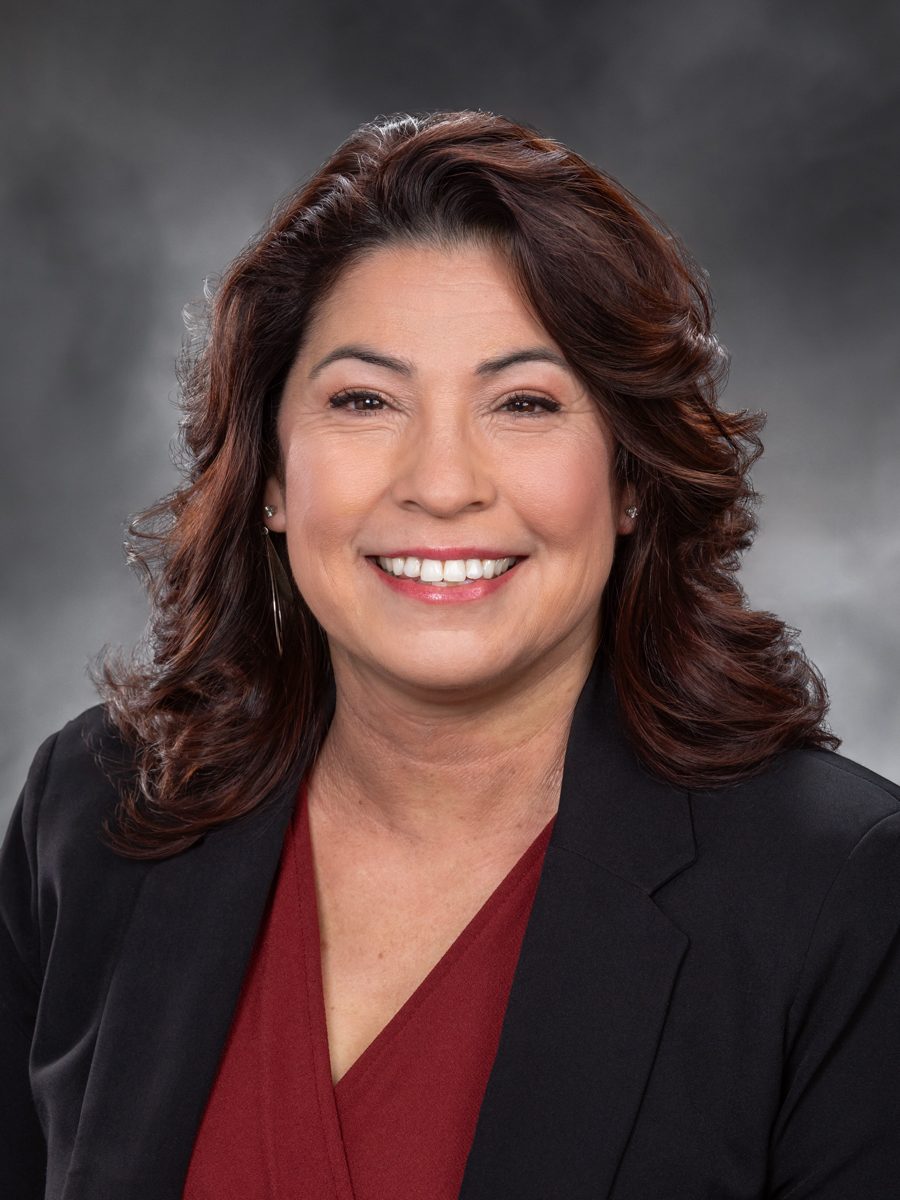
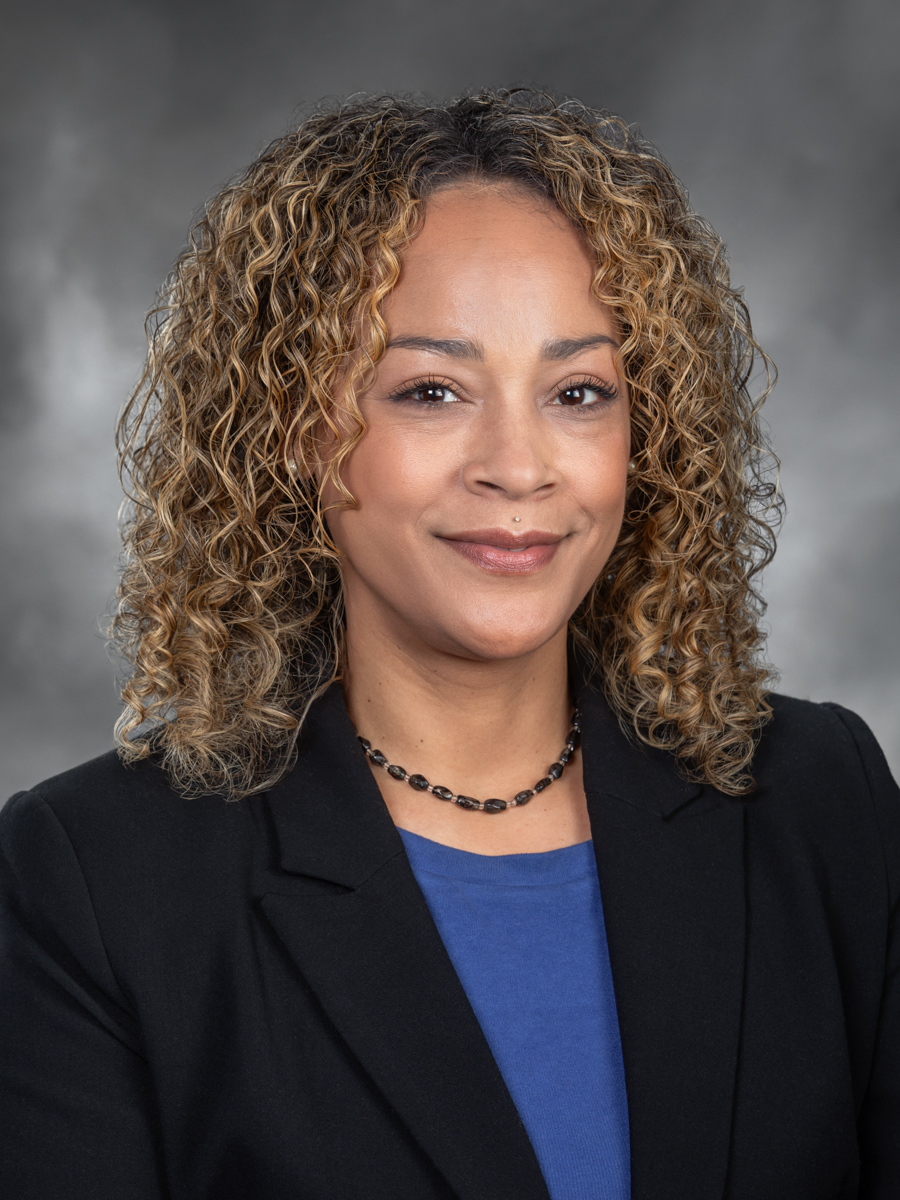
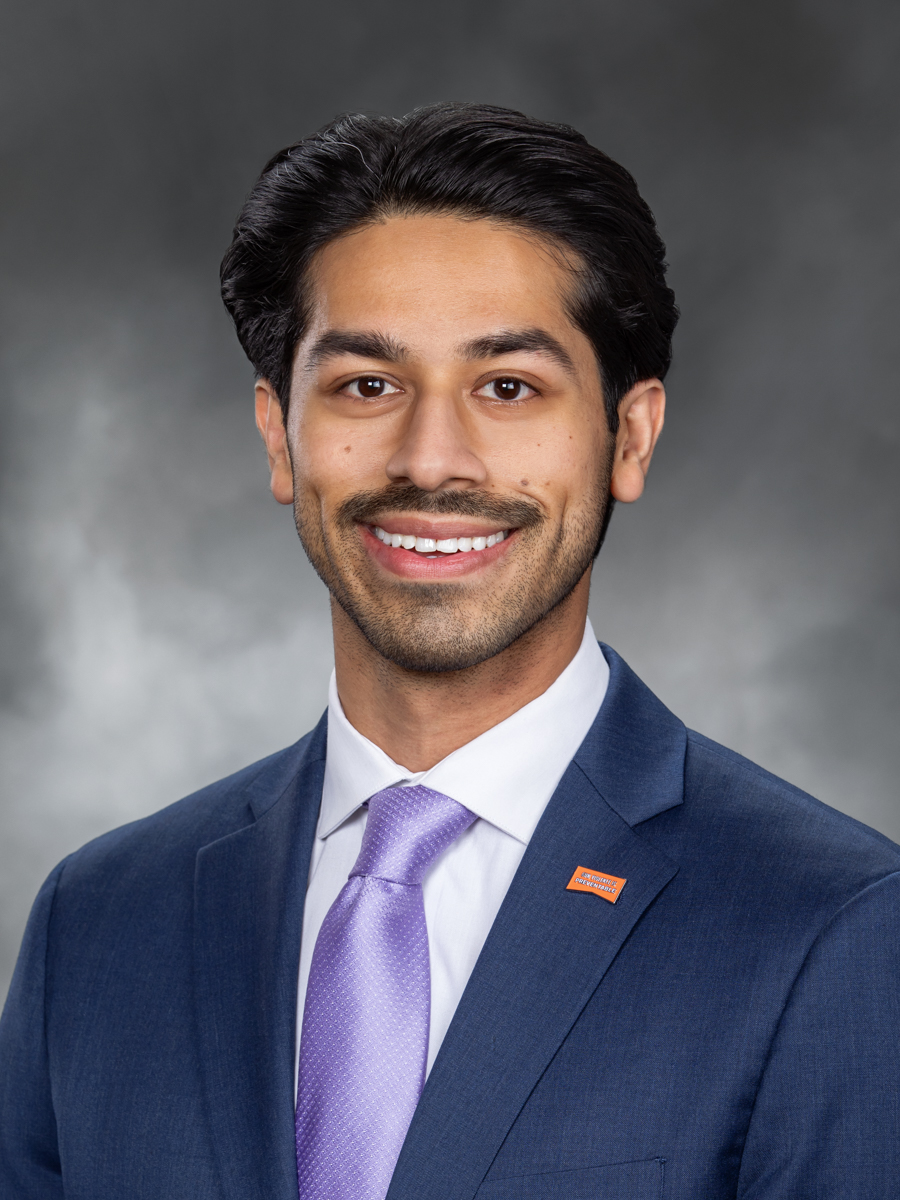
1 primary · 24 co-sponsors
Sponsors
Role
Legislator
Party
State
District
P

Darya Farivar
DDemocratic
Co

Adam Bernbaum
DDemocratic
Co

Beth Doglio
DDemocratic
Co

Brianna Thomas
DDemocratic
Co
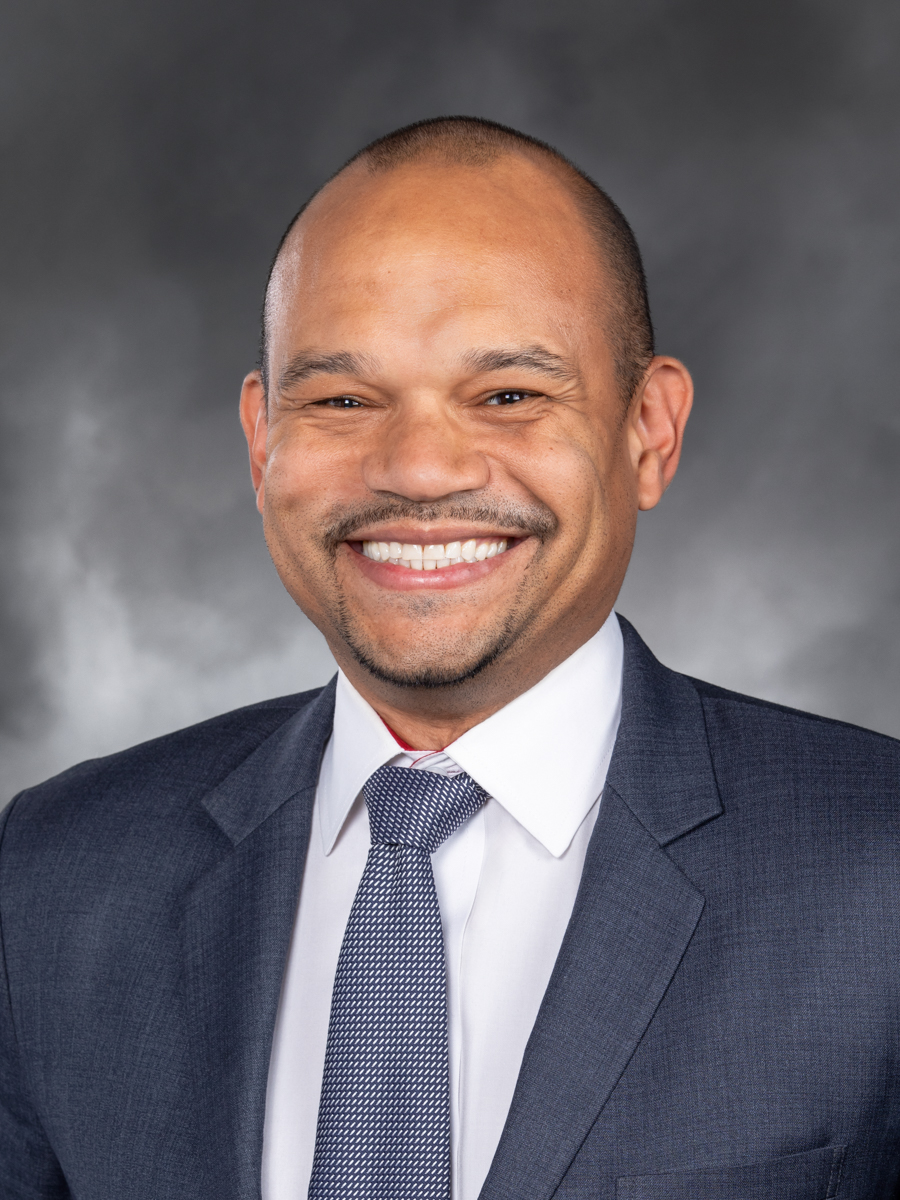
Chipalo Street
DDemocratic
Co
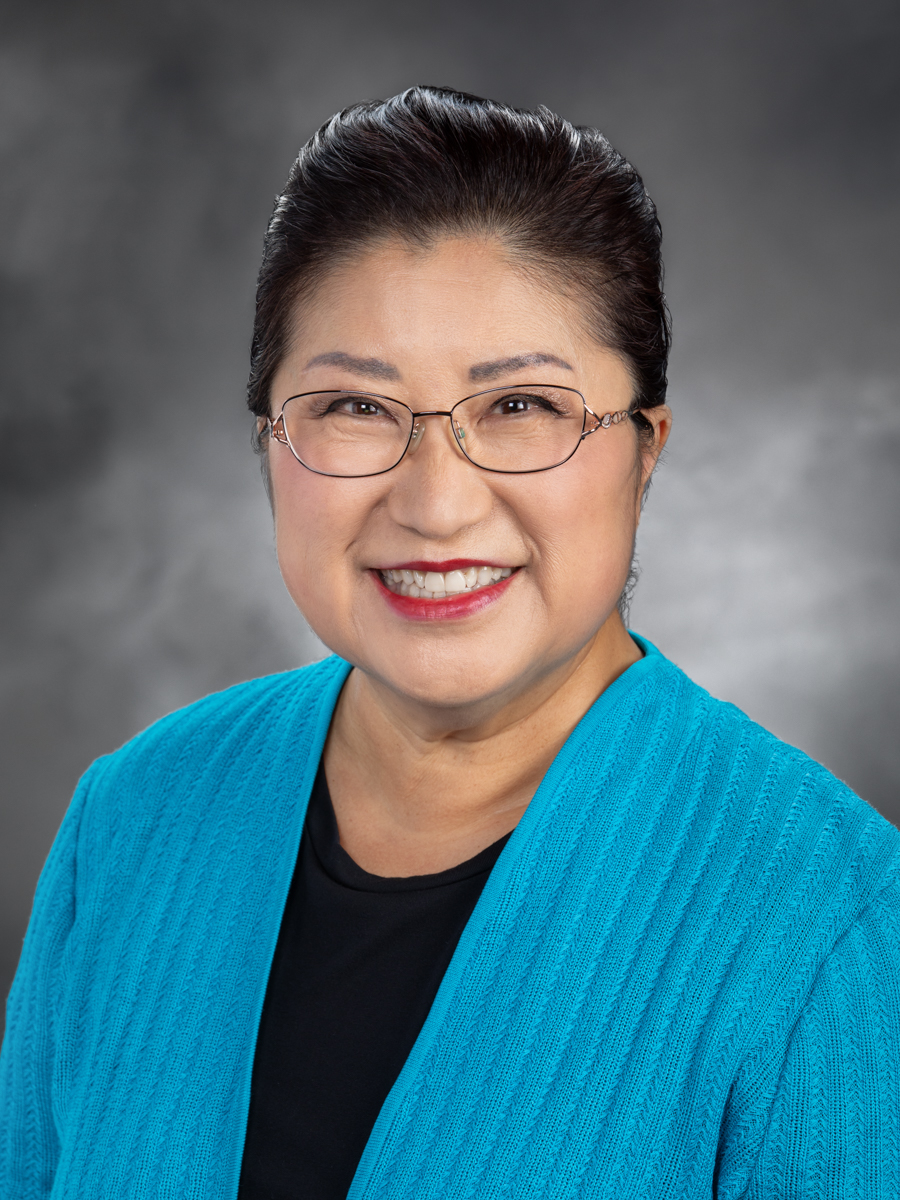
Cindy Ryu
DDemocratic
Co

Gerry Pollet
DDemocratic
Co
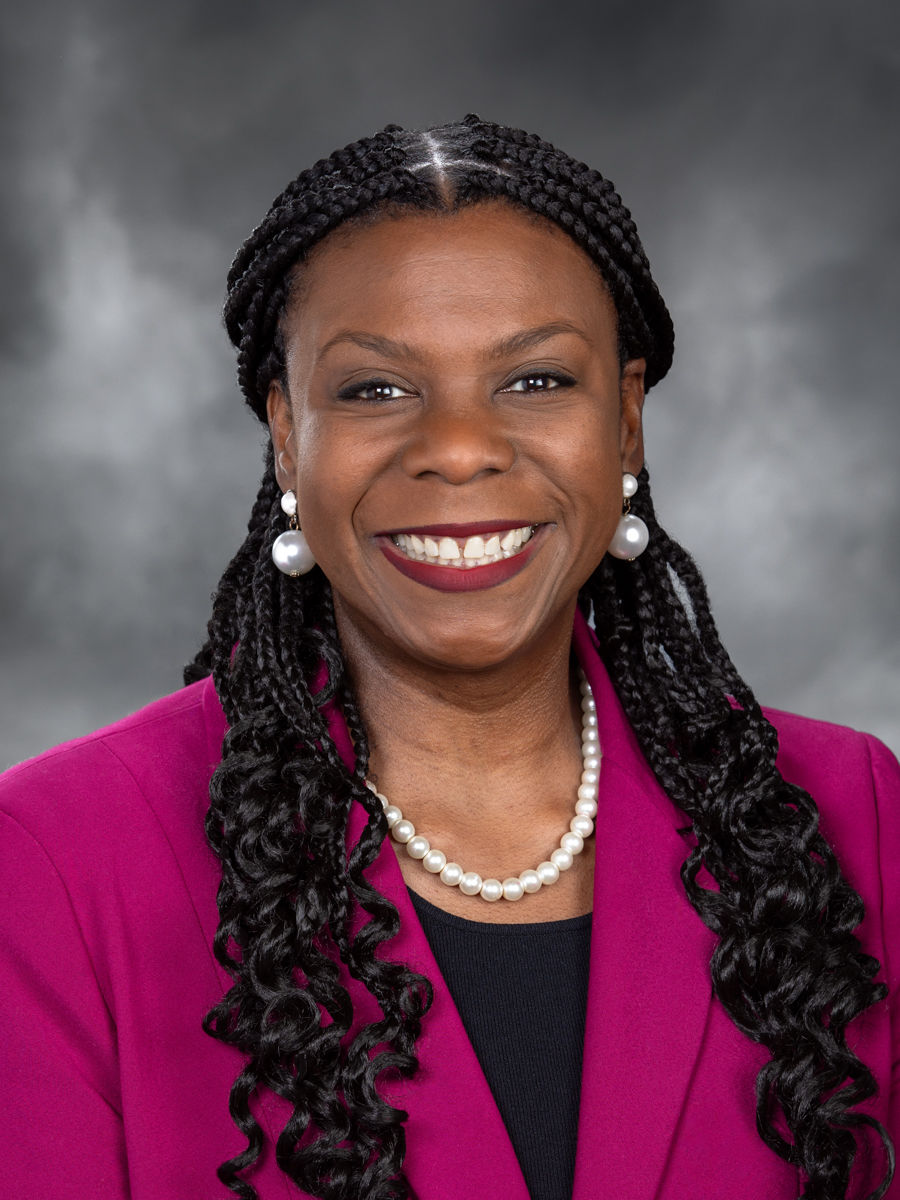
Jamila Taylor
DDemocratic
Co
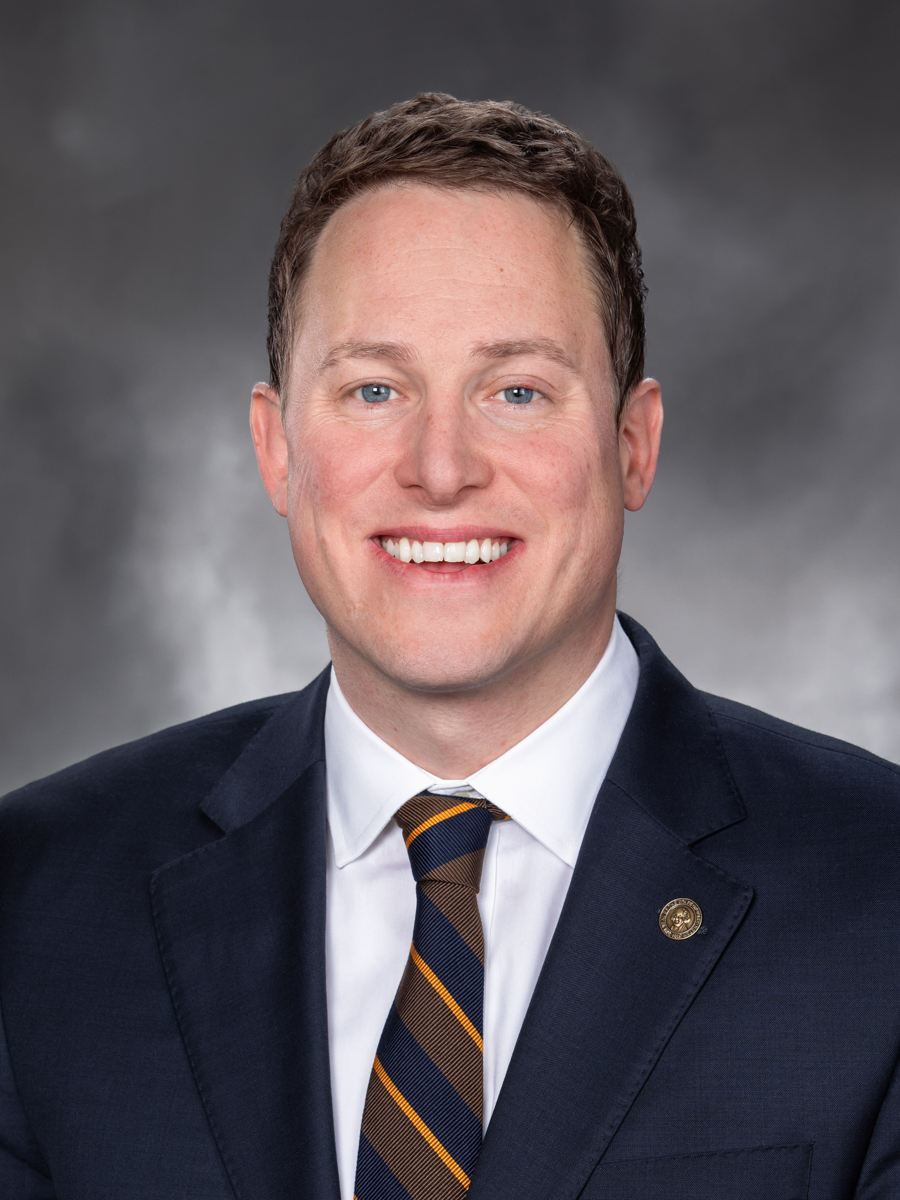
Joe Timmons
DDemocratic
Co
Julia Reed
DDemocratic
Co
Julio Cortes
DDemocratic







Ask Maddy
·
AI policy assistant
Ask Maddy about HB 2297
Scope: WA
Hi! I can help you understand HB 2297. What would you like to know?
Try one of these
i
Maddy answers using official bill text and legislative records. Always verify before sharing.
Sources cited inline