HB 1816 Washington House · 2025-2026 Regular Session

Concerning civilian-staffed crisis response teams.

HB 1816 allows cities and counties with over 200,000 residents to create civilian crisis response teams that handle specific 911 calls instead of police. These teams can serve as the primary response for calls involving mental health crises, safety checks, or resource requests (like shelter or food), but only when no active violence or weapons are reported. The bill requires teams to undergo training in de-escalation and scene safety, and mandates consultation with health authorities to set qualifications and operating protocols. It designates these teams as a "third 911 responder" alongside police and fire, operating outside traditional law enforcement and fire response systems.
Bill status in committee 1 of 4 stages cleared
Introduction
Jan 2026
Committee Review
Floor Vote
Governor
Introduced Jan 12, 2026 Last action Jan 12, 2026
Maddy AI version diff · 1 comparison

What changed between versions

Bill Substitute Bill · 5 edits
MODERATE
The bill was amended to lower the population threshold for cities establishing civilian crisis teams from 500,000 to 200,000 residents and to require mandatory consultation with behavioral health and emergency services organizations when setting responder qualifications. These changes expand access to non-law enforcement crisis response in more communities and ensure responders are trained with input from relevant health and safety experts.
Scope change
The bill's applicability was expanded to include political subdivisions with over 200,000 residents, whereas the original version only allowed cities with over 500,000 residents to establish such teams.
ELIGIBILITY

Lowered the population threshold for establishing a civilian crisis response team from 500,000 to 200,000 residents.

REQUIREMENT

Added a requirement for the city executive to consult with behavioral health organizations, mobile crisis teams, and the 988 call center hub when setting minimum qualifications for responders.

Removed the specific prohibition on collective bargaining regarding the transfer of 911 duties to civilian teams and the restriction on renewing conflicting union contracts.

Replaced the executive's sole discretion in setting minimum qualifications with a mandate to solicit input from health and safety entities.

DEFINITION

Added language designating the crisis response team as a 'third 911 first responder' parallel to law enforcement and fire services.

Floor votes

How they voted

No floor votes recorded yet.
Full legislative history

Actions timeline

Total actions
11
Key actions
4
Committee
6
Jan 12, 2026
Committee
Referred to Technology, Economic Development, & Veterans.
lower
Jan 12, 2026
Lower · Passed
Rules Committee relieved of further consideration.
lower
Jan 12, 2026
Introduced
By resolution, reintroduced and retained in present status.
lower
Feb 20, 2025
Committee
Referred to Rules 2 Review.
lower
Feb 18, 2025
Lower · Passed
Minority; do not pass.
lower
Feb 18, 2025
Lower · Passed
Executive action taken in the House Committee on Technology, Economic Development, & Veterans at 10:30 AM.
lower
Feb 11, 2025
Lower · Passed
Public hearing in the House Committee on Technology, Economic Development, & Veterans at 10:30 AM.
lower
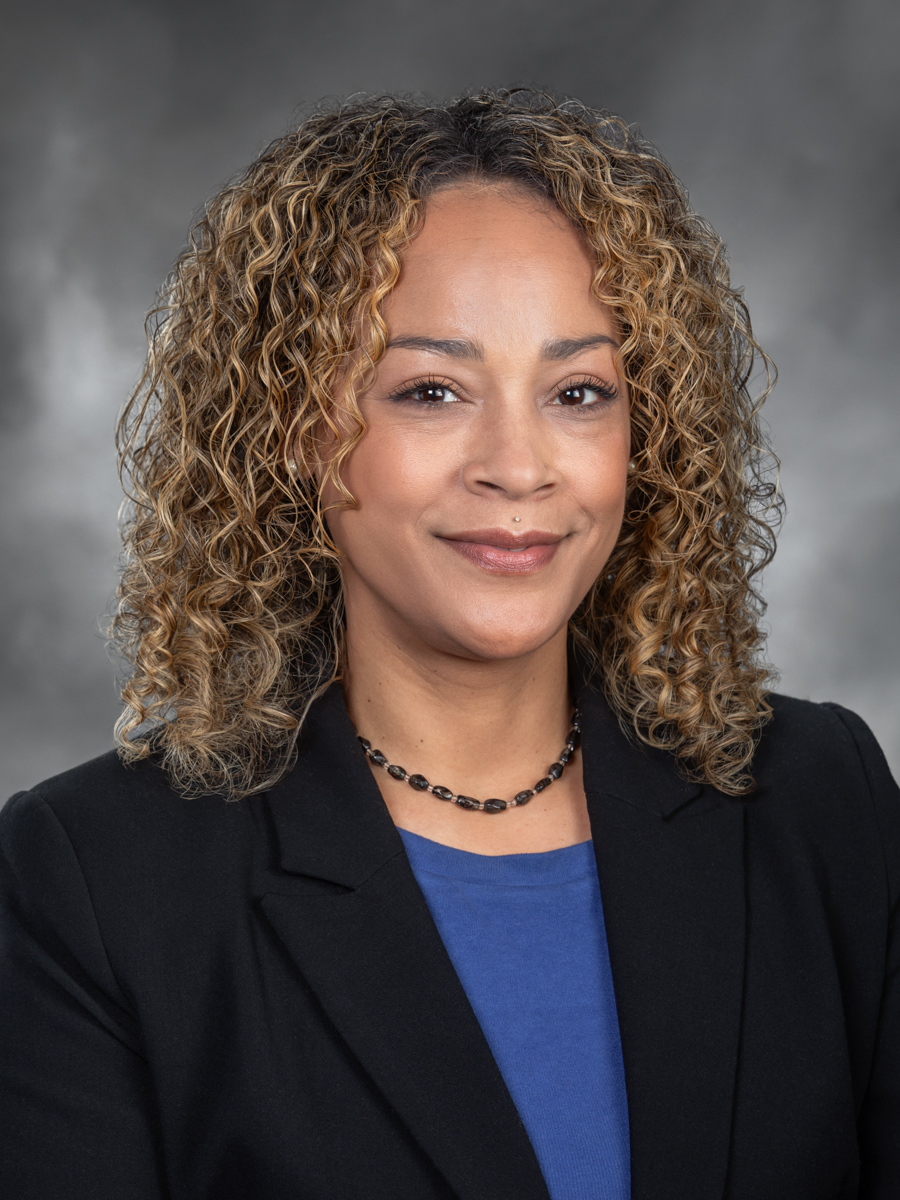
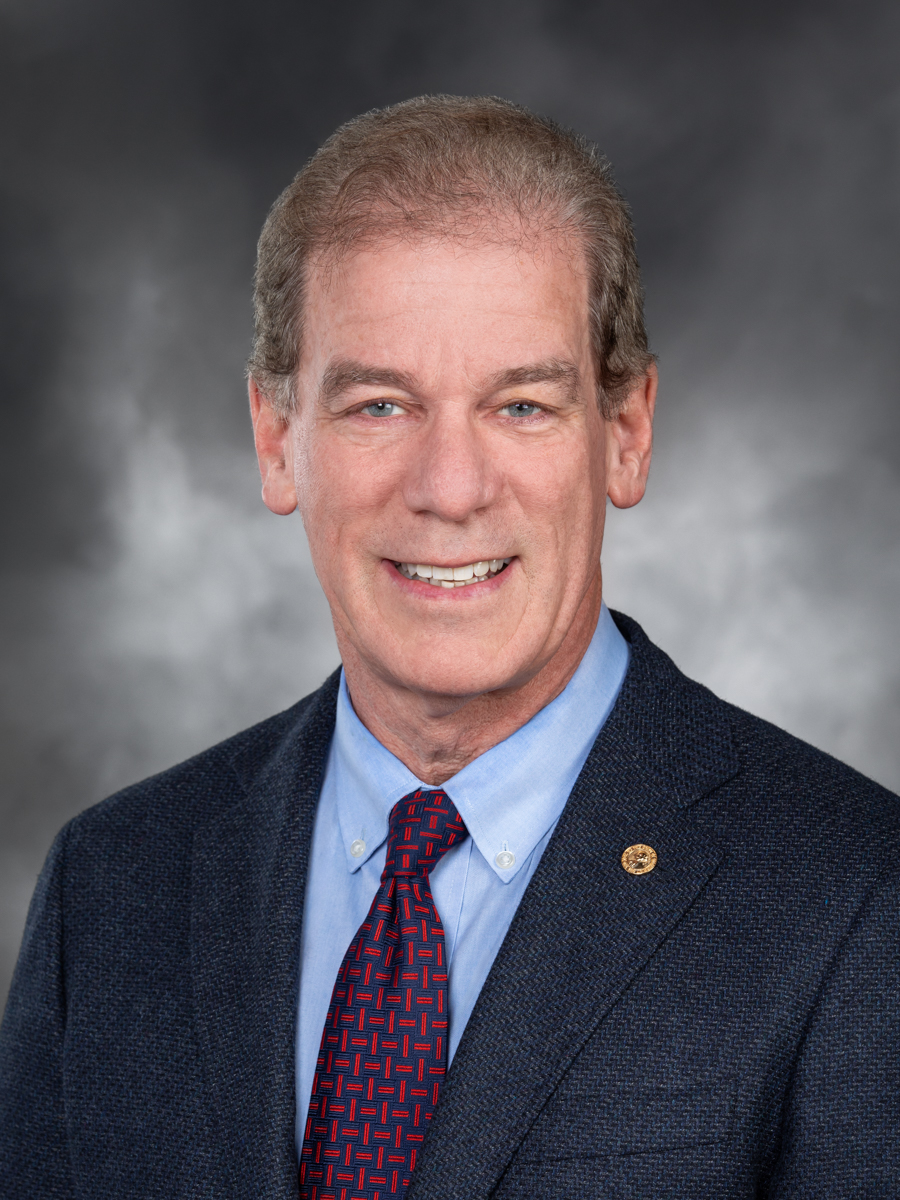
1 primary · 13 co-sponsors

Sponsors