

Creating a sales and use tax remittance program for affordable housing.
HB 1717 creates a local sales and use tax remittance program for affordable housing projects in Washington. It allows cities and counties to adopt programs where developers of qualifying projects (with at least 50% units for low-income households at 30-38% of income for 40 years) can defer paying local sales taxes on construction costs. Developers must apply to local governments, meet affordability requirements, and complete projects within three years (extendable to five total), with local authorities setting application rules and oversight. The program directly affects nonprofit and for-profit housing developers, public housing authorities, and low-income households in qualifying projects.
Bill status
passed
3 of 5 stages cleared
Introduction
Jan 2026
Committee Review
Mar 2026
House Passage
Feb 2026
Senate Passage
Governor
Introduced Jan 12, 2026
Last action Mar 12, 2026
Maddy AI version diff · 2 comparisons
What changed between versions
Substitute Bill
→
Engrossed Substitute Bill
·
2 edits
·
Feb 11, 2026
MINOR
The bill was reclassified from a 'Substitute' to an 'Engrossed Substitute' version, indicating it has passed a committee and is ready for final passage. The most significant policy change expands the definition of 'affordable housing' to include homeowners, not just renters. Previously, the bill only applied to households paying less than 30% of their income on rent; now it also covers homeowners whose total housing costs (including mortgage, taxes, and insurance) do not exceed 38% of their income.
Scope change
The bill's scope expanded from exclusively covering rental housing to also include owner-occupied housing.
DEFINITION
The definition of 'affordable housing' was updated to include owner-occupied homes, establishing a new income threshold of 38% of monthly income for mortgage and tax payments.
ELIGIBILITY
Homeowners are now eligible for the sales and use tax remittance program under the new affordability criteria.
Floor votes · House Feb 11, 2026
How they voted
97–0
Passed · 3 other
Total votes 100
Feb 11, 2026
D
Democratic61
96% Yea
R
Republican39
97% Yea
Vote distribution
All Yea
All Nay
Mixed
No data
Full legislative history
Actions timeline
Total actions
26
Key actions
11
Committee
13
Mar 2, 2026
Upper · Passed
Minority; without recommendation.
upper
Mar 2, 2026
Upper · Passed
WM - Majority; do pass.
upper
Mar 2, 2026
Upper · Passed
Executive action taken in the Senate Committee on Ways & Means at 10:30 AM.
upper
Feb 19, 2026
Upper · Passed
Public hearing in the Senate Committee on Ways & Means at 4:00 PM.
upper
Feb 11, 2026
Lower · Passed
Floor amendment(s) adopted.
lower
Feb 3, 2026
Committee
Referred to Rules 2 Review.
lower
Jan 29, 2026
Lower · Passed
Executive action taken in the House Committee on Finance at 1:30 PM.
lower
Jan 15, 2026
Lower · Passed
Public hearing in the House Committee on Finance at 1:30 PM.
lower
Jan 12, 2026
Committee
Referred to Finance.
lower
Jan 12, 2026
Lower · Passed
Committee relieved of further consideration.
lower
Jan 12, 2026
Introduced
By resolution, reintroduced and retained in present status.
lower
Feb 26, 2025
Committee
Referred to Appropriations.
lower
Feb 25, 2025
Lower · Passed
FIN - Majority; do pass.
lower
Feb 25, 2025
Lower · Passed
Executive action taken in the House Committee on Finance at 8:00 AM.
lower
Feb 21, 2025
Lower · Passed
Public hearing in the House Committee on Finance at 1:30 PM.
lower
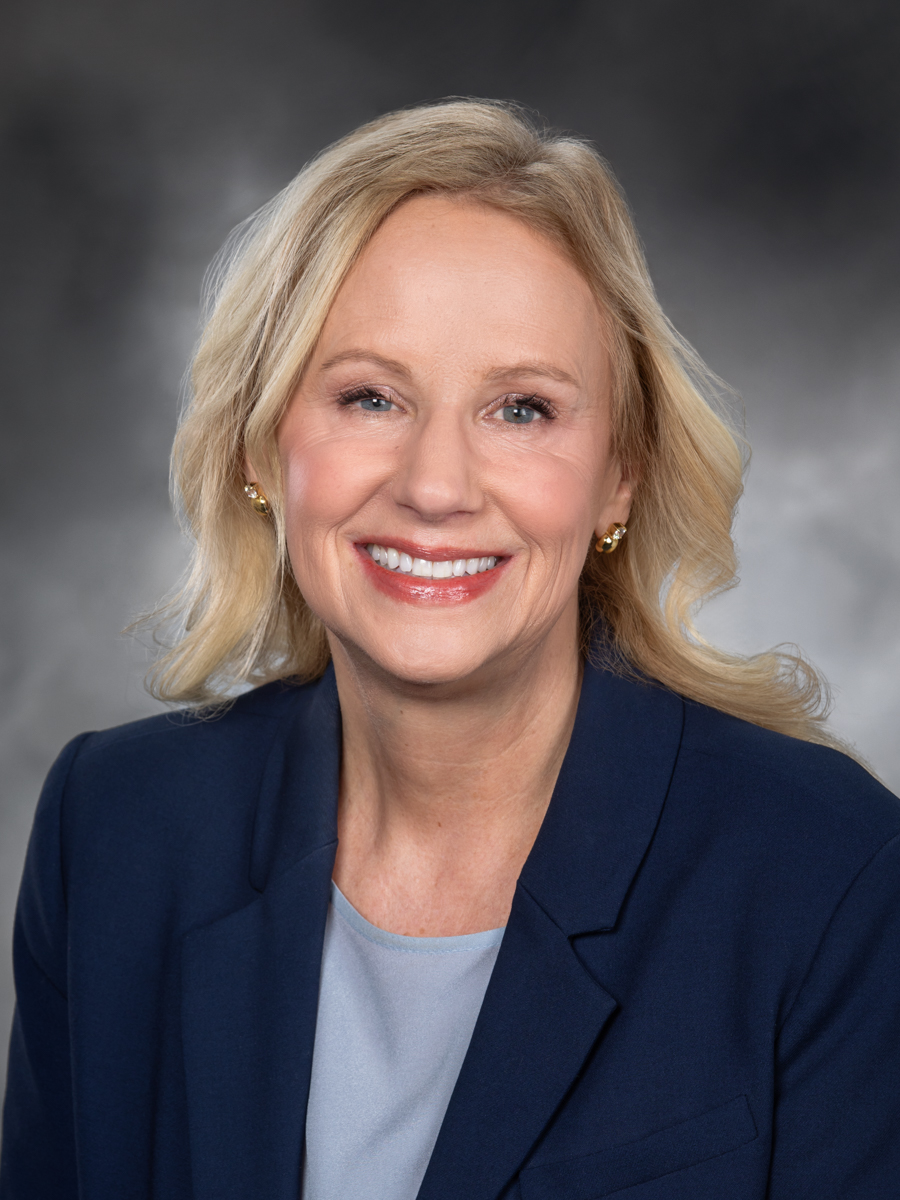
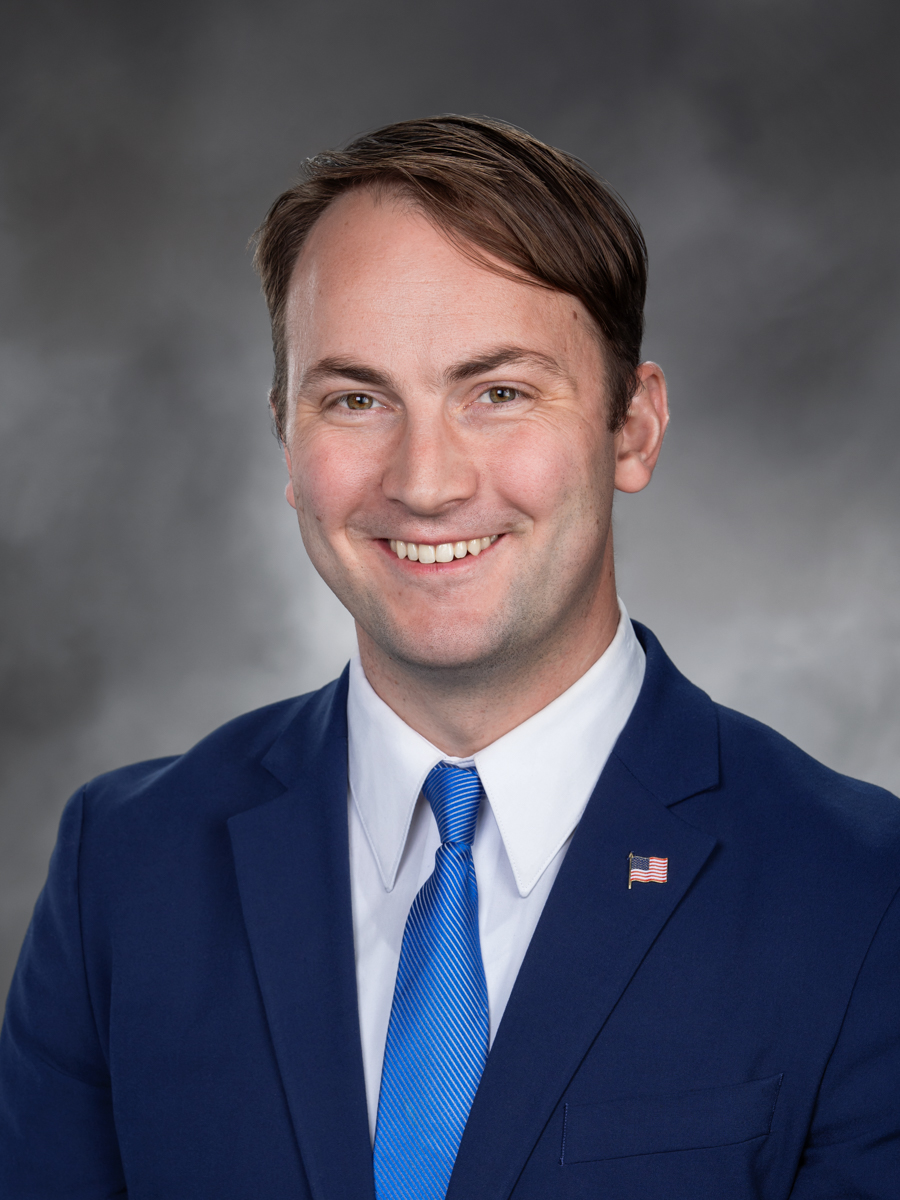
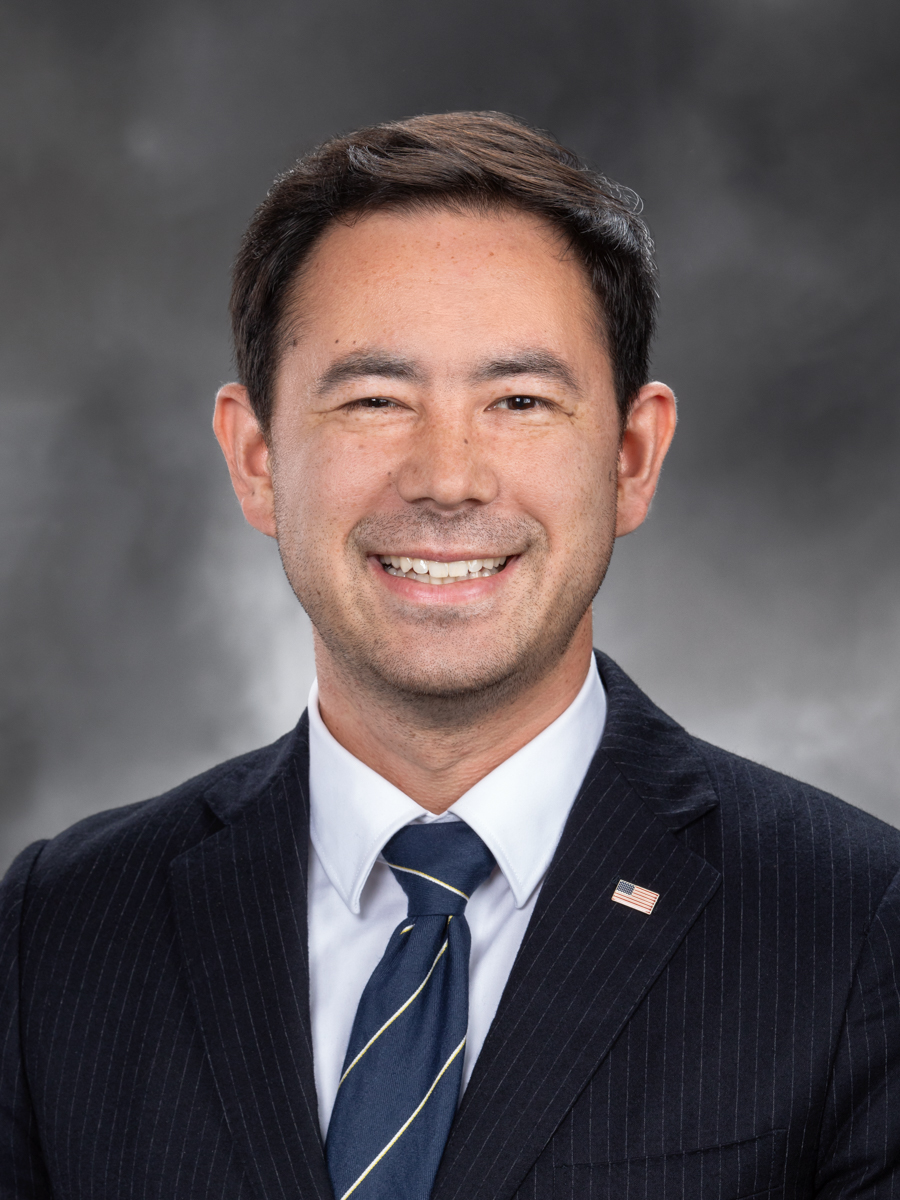
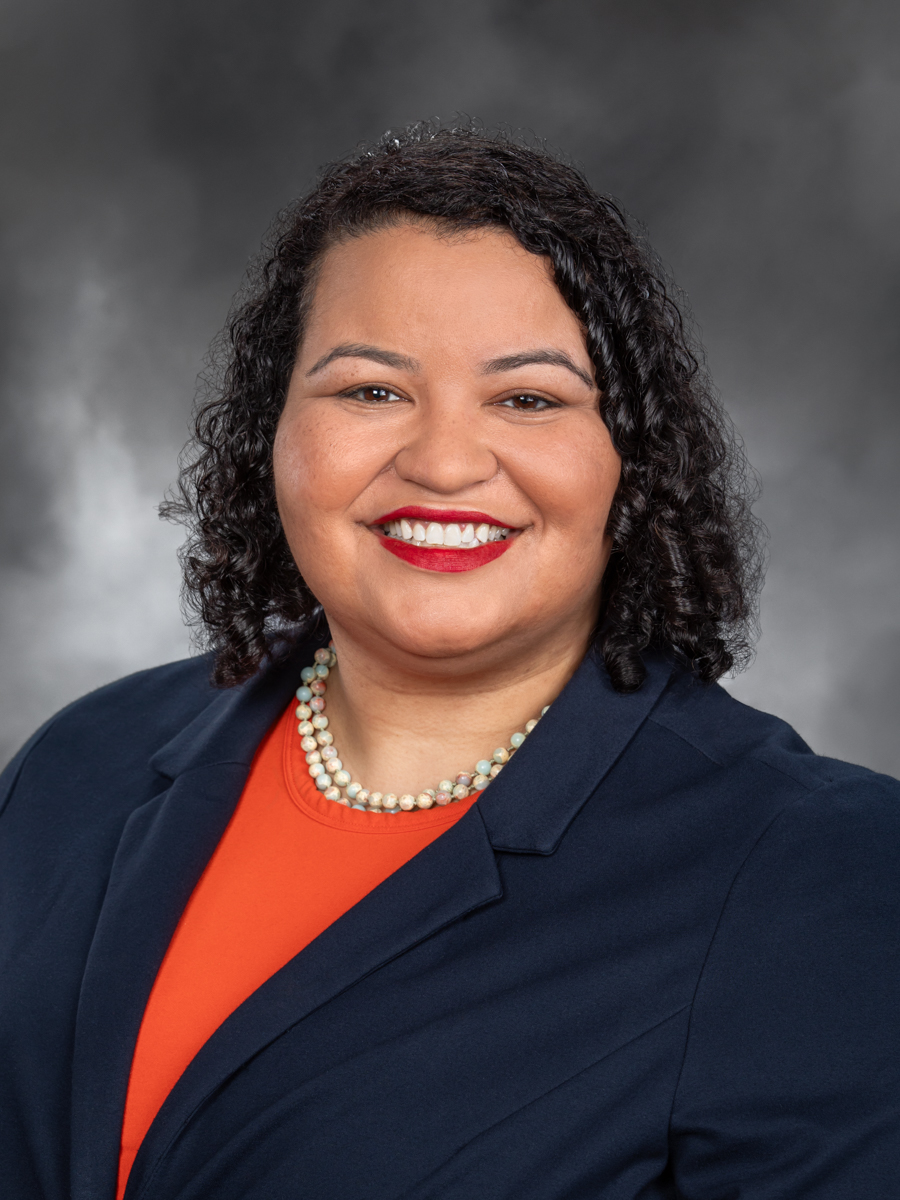
1 primary · 7 co-sponsors
Sponsors



Ask Maddy
·
AI policy assistant
Ask Maddy about HB 1717
Scope: WA
Hi! I can help you understand HB 1717. What would you like to know?
Try one of these
i
Maddy answers using official bill text and legislative records. Always verify before sharing.
Sources cited inline