HB 1499 Washington House · 2025-2026 Regular Session

Concerning legal financial obligations.

HB 1499 eliminates enforcement of certain court-imposed costs, fees, and interest on legal financial obligations for people convicted of crimes. It automatically nullifies these debts after the effective date, prohibits courts from accepting payments for them, and creates a new process for courts to waive uncollectible portions upon offender request. The bill specifically excludes restitution from these changes but allows clerks to seek judicial orders waiving costs, fees, and accrued interest. This applies to existing debts eliminated by the law, directly affecting individuals with outstanding criminal justice-related financial obligations.
Bill status in committee 1 of 4 stages cleared
Introduction
Jan 2026
Committee Review
Floor Vote
Governor
Introduced Jan 12, 2026 Last action Jan 12, 2026
Maddy AI version diff · 1 comparison

What changed between versions

Bill Substitute Bill · 4 edits
MODERATE
This bill updates the legislative process for HB 1499, moving it from a House Bill to a Substitute Bill with a new bill number. The substantive policy changes focus on simplifying the rules for waiving uncollectible legal financial obligations (LFOs) and adjusting the definition of 'indigency' to lower the income threshold for financial relief. Additionally, it modifies the timeline for when certain deferred prosecution and supervision changes take effect.
Scope change
The bill's scope regarding legal financial obligations remains largely the same, but the criteria for who qualifies for financial relief (indigency) has been tightened by lowering the income threshold, and the administrative process for waiving debts has been streamlined.
DEFINITION

The definition of 'indigent' was changed to include individuals with household income of 200 percent or less of the federal poverty level, rather than above 200 percent, making it easier for low-income individuals to qualify for fee waivers.

REQUIREMENT

The process for waiving uncollectible legal financial obligations was simplified; courts are now required to waive all uncollectible portions upon request, and clerks can seek judicial orders to waive debts without needing to alter existing records first.

TIMELINE

The effective dates for two specific sections of the bill were swapped: the changes to deferred prosecution programs now take effect on January 1, 2026, while the changes to supervision and assessment levies expire on that date.

ENFORCEMENT

Courts are now explicitly required to waive uncollectible legal financial obligations upon motion by an offender, removing the previous discretion that allowed courts to deny such relief.

Floor votes

How they voted

No floor votes recorded yet.
Full legislative history

Actions timeline

Total actions
7
Key actions
3
Committee
4
Jan 12, 2026
Introduced
By resolution, reintroduced and retained in present status.
lower
Feb 21, 2025
Committee
Referred to Appropriations.
lower
Feb 21, 2025
Lower · Passed
Minority; do not pass.
lower
Feb 21, 2025
Lower · Passed
Executive action taken in the House Committee on Civil Rights & Judiciary at 10:30 AM.
lower
Jan 28, 2025
Lower · Passed
Public hearing in the House Committee on Civil Rights & Judiciary at 10:30 AM.
lower
1 primary · 19 co-sponsors

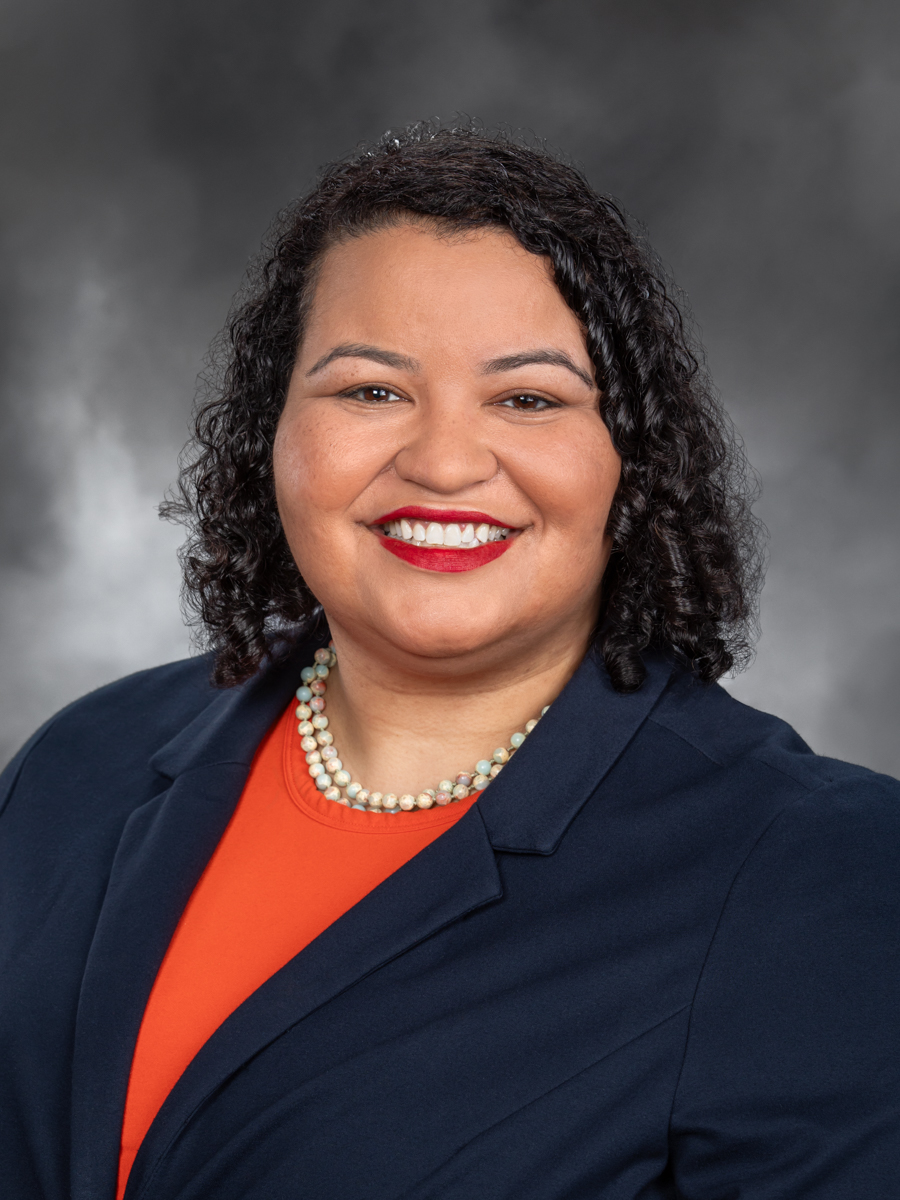
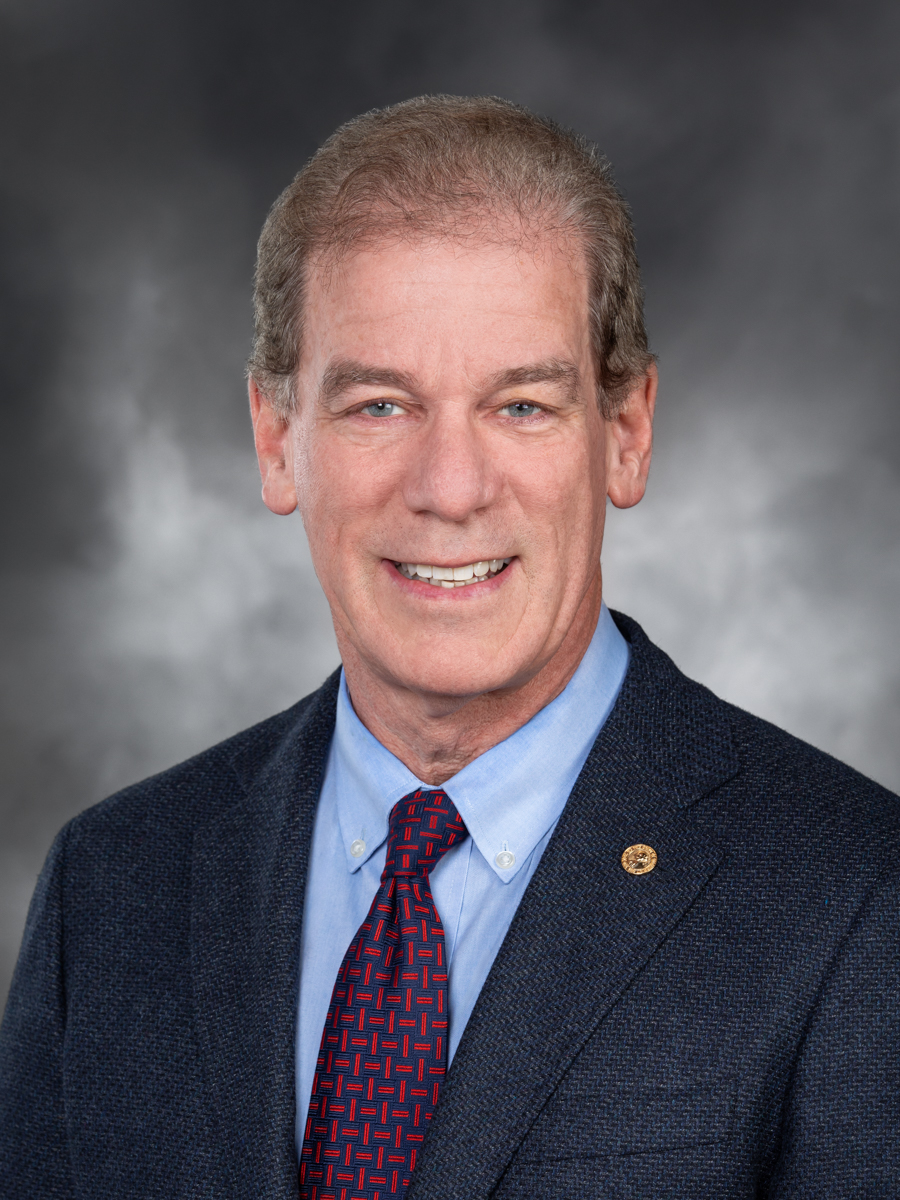
Sponsors