

Supporting the servicing and right to repair of certain products with digital electronics in a secure and reliable manner.
HB 1483, also known as the "right to repair" bill, requires manufacturers of certain digital electronic products to make parts, tools, and repair documentation available to independent repair providers and product owners. This applies to consumer electronics like computers, cell phones, and appliances, aiming to increase access to affordable repair options for Washington residents. Manufacturers must offer these resources on fair and reasonable terms, with documentation and digital tools generally provided free of charge. The bill supports a competitive repair market and seeks to extend the useful life of products for consumers across the state. This legislation will become effective on July 27, 2025.
Bill status
signed
all 5 stages cleared
Introduction
Jan 2025
Committee Review
Apr 2025
House Passage
Apr 2025
Senate Passage
Apr 2025
Signed into Law
May 2025
Introduced Jan 21, 2025
Signed May 19, 2025
Maddy AI version diff · 3 comparisons
What changed between versions
Engrossed Substitute Bill
→
Substitute Passed Legislature
·
2 edits
MINOR
The bill added a formal certification of enrollment to confirm it passed both legislative chambers, and it modified an exemption for medical devices to clarify that the law does not apply to products manufactured primarily for medical use, including diagnostic and monitoring equipment.
Scope change
The bill's applicability was narrowed regarding medical devices by explicitly including diagnostic, monitoring, and control equipment in the exemption, ensuring these critical tools are not subject to the bill's requirements.
ENFORCEMENT
Added a Certification of Enrollment section to formally document that the bill passed the House and Senate with specific vote counts and dates.
ELIGIBILITY
Revised the exemption for medical devices to explicitly state that the law does not apply to digital electronic products or embedded software if they are manufactured primarily for use in a medical setting, such as for diagnosis or monitoring.
Floor votes · Senate Apr 10, 2025 · House Mar 4, 2025
How they voted
50–1
Passed
Total votes 51
Apr 10, 2025
D
Democratic31
96% Yea
R
Republican20
100% Yea
Vote distribution
All Yea
All Nay
Mixed
No data
Full legislative history
Actions timeline
Total actions
29
Key actions
14
Committee
8
May 19, 2025
Signed into law
Governor signed.
executive
Apr 19, 2025
Upper · Passed
President signed.
upper
Apr 18, 2025
Lower · Passed
Speaker signed.
lower
Apr 17, 2025
Lower · Passed
Passed final passage; yeas, 94; nays, 1; absent, 0; excused, 3.
lower
Apr 17, 2025
Lower · Passed
House concurred in Senate amendments.
lower
Apr 10, 2025
Upper · Passed
Committee amendment(s) adopted with no other amendments.
upper
Apr 10, 2025
Senate · Passed
Senate Vote: pass (50-1)
senate
Apr 1, 2025
Upper · Passed
ENET - Majority; do pass with amendment(s).
upper
Apr 1, 2025
Upper · Passed
Executive action taken in the Senate Committee on Environment, Energy & Technology at 1:30 PM.
upper
Mar 26, 2025
Upper · Passed
Public hearing in the Senate Committee on Environment, Energy & Technology at 8:00 AM.
upper
Mar 4, 2025
Lower · Passed
Floor amendment(s) adopted.
lower
Feb 13, 2025
Committee
Referred to Rules 2 Review.
lower
Feb 11, 2025
Lower · Passed
Minority; do not pass.
lower
Feb 11, 2025
Lower · Passed
Executive action taken in the House Committee on Technology, Economic Development, & Veterans at 10:30 AM.
lower
Jan 31, 2025
Lower · Passed
Public hearing in the House Committee on Technology, Economic Development, & Veterans at 10:30 AM.
lower
1 primary · 15 co-sponsors
Sponsors
Role
Legislator
Party
State
District
P

Mia Gregerson
DDemocratic
Co

Alex Ramel
DDemocratic
Co

Beth Doglio
DDemocratic
Co

Joe Fitzgibbon
DDemocratic
Co
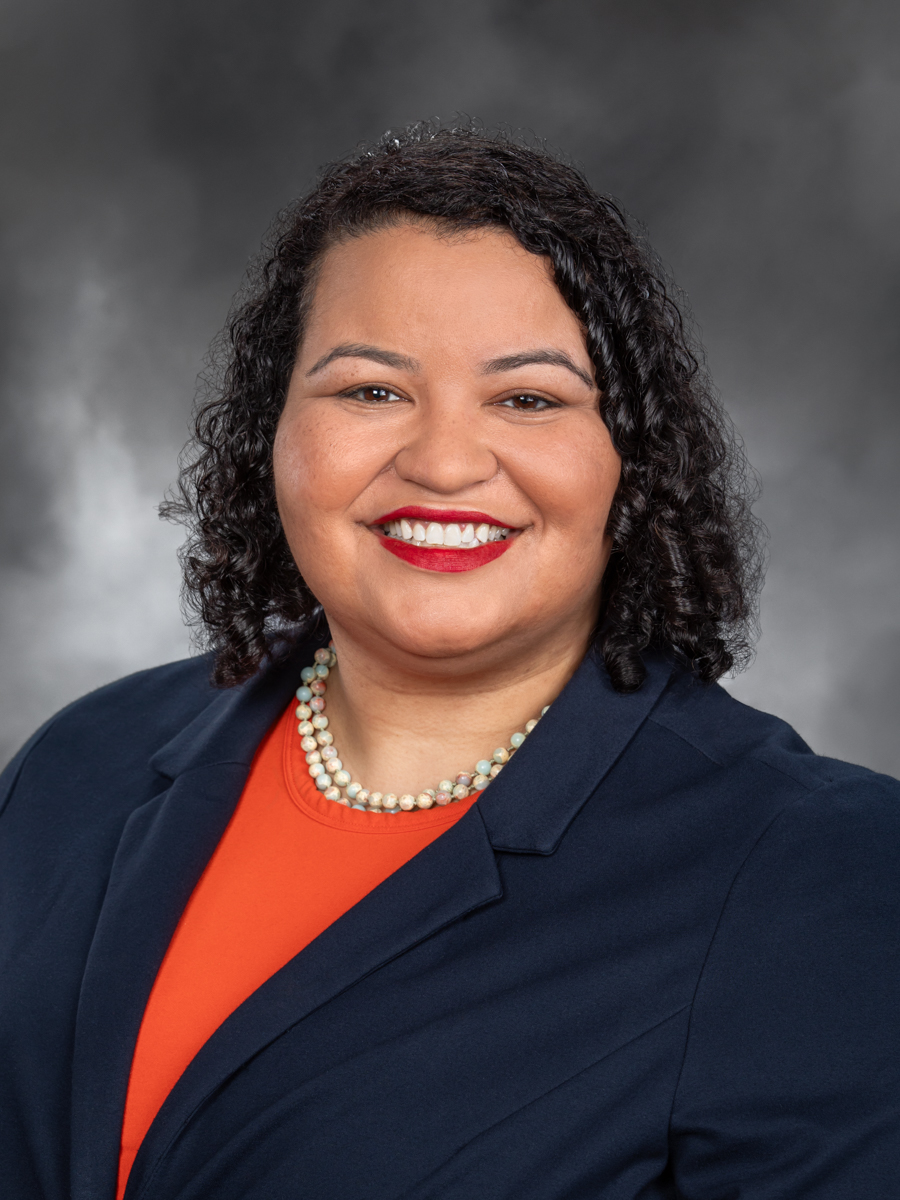
Julia Reed
DDemocratic
Co
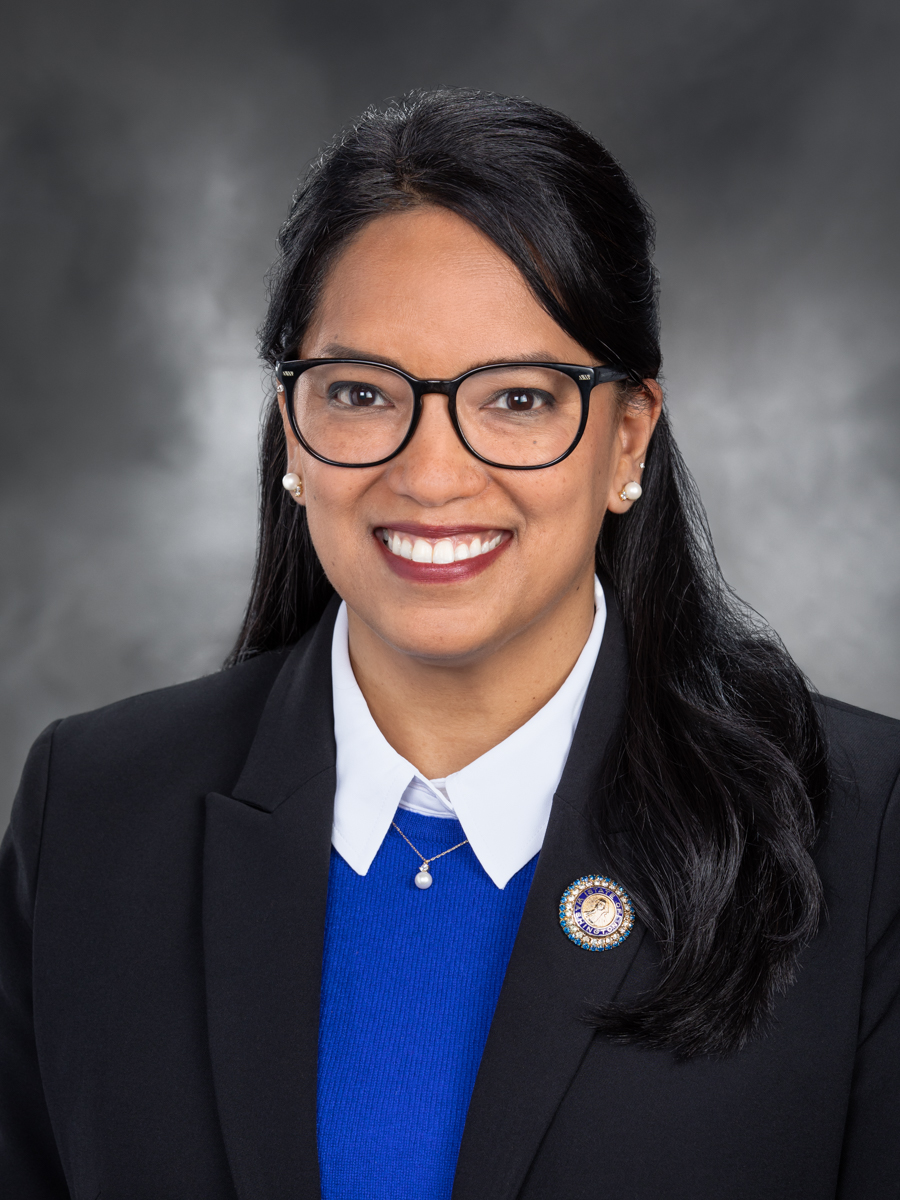
Kristine Reeves
DDemocratic
Co

Lauren Davis
DDemocratic
Co

Liz Berry
DDemocratic
Co

Mary Fosse
DDemocratic
Co
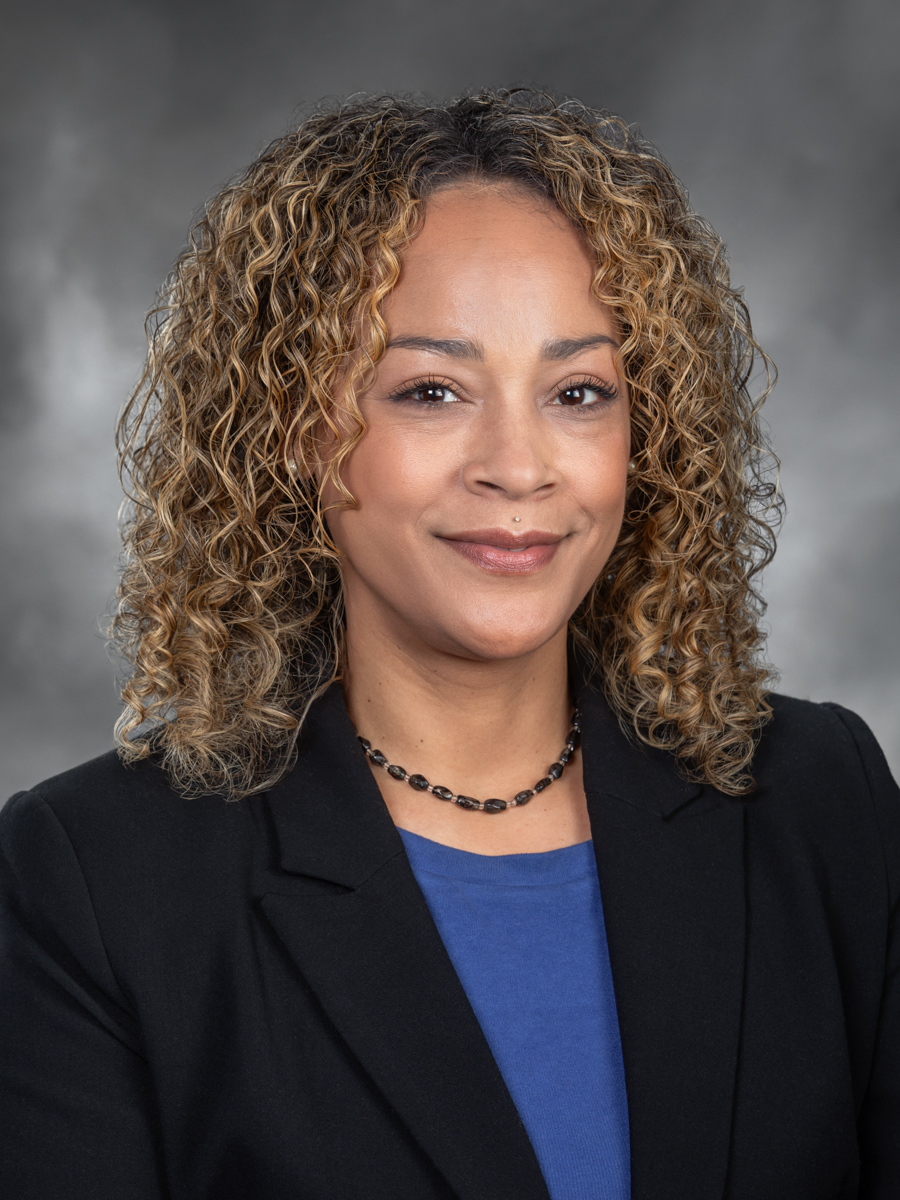
Natasha Hill
DDemocratic
Co

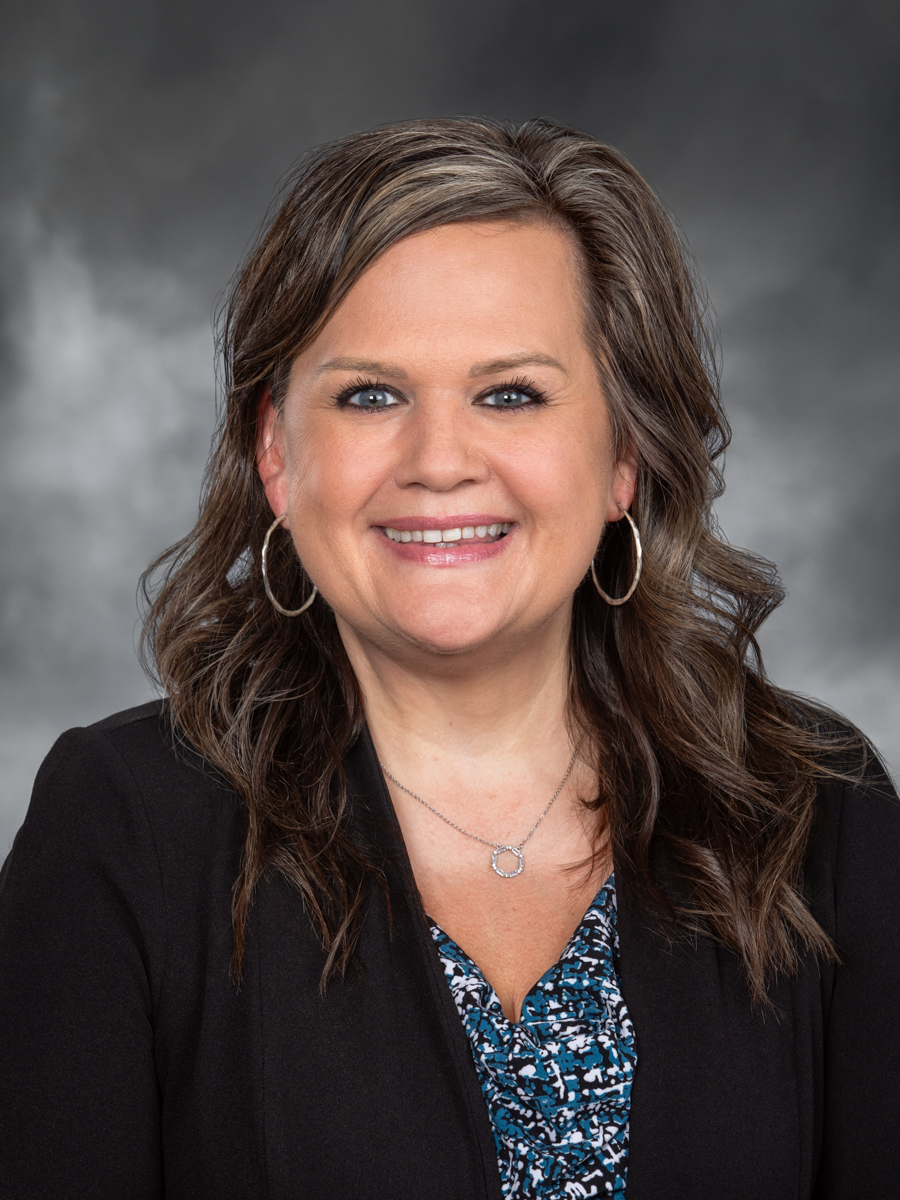
Nicole Macri
DDemocratic



Ask Maddy
·
AI policy assistant
Ask Maddy about HB 1483
Scope: WA
Hi! I can help you understand HB 1483. What would you like to know?
Try one of these
i
Maddy answers using official bill text and legislative records. Always verify before sharing.
Sources cited inline