

Allowing small business establishments in residential zones.
HB 1175 requires cities in Washington to permit neighborhood stores (like mini-markets selling food, drinks, or household items) and neighborhood cafés (with at least 500 square feet) in residential zones, provided cafés serve food if they offer alcohol. Cities may still regulate parking (if feasible), operating hours (cafés must operate at least 12 consecutive hours), and maximum building size. The bill applies to all cities and code cities, mandating implementation by 2027 for cities updating comprehensive plans or within two years for others. It directly affects small business owners seeking to operate in residential areas and local governments managing zoning rules.
Bill status
passed
3 of 5 stages cleared
Introduction
Jan 2026
Committee Review
Feb 2025
House Passage
Jan 2026
Senate Passage
Governor
Introduced Jan 12, 2026
Last action Mar 12, 2026
Maddy AI version diff · 3 comparisons
What changed between versions
Second Substitute Bill
→
Engrossed Second Substitute Bill
·
3 edits
·
Jan 15, 2026
MINOR
This bill was formally adopted as an 'Engrossed' version, indicating it has passed both legislative chambers. The most significant substantive change is the addition of a new exemption for smaller cities located within large urban growth areas, shielding them from the bill's new regulations. Additionally, the language regarding city authority was updated to specifically apply to 'code cities' rather than all cities.
Scope change
The bill's applicability was narrowed by adding an exemption for cities with populations under 5,000 that are part of a contiguous urban growth area within a high-population county.
ELIGIBILITY
Added an exemption for cities with fewer than 5,000 residents located in specific urban growth areas, excluding them from the new requirements.
REQUIREMENT
Updated references to apply the new rules specifically to 'code cities' instead of all cities, clarifying which municipalities must comply.
TECHNICAL
Changed the bill title from 'Second Substitute' to 'Engrossed Second Substitute' to reflect its final passage status.
Floor votes · House Jan 15, 2026
How they voted
96–2
Passed · 2 other
Total votes 100
Jan 15, 2026
D
Democratic61
96% Yea
R
Republican39
94% Yea
Vote distribution
All Yea
All Nay
Mixed
No data
Full legislative history
Actions timeline
Total actions
20
Key actions
5
Committee
6
Jan 15, 2026
Lower · Passed
Floor amendment(s) adopted.
lower
Jan 12, 2026
Introduced
By resolution, reintroduced and retained in present status.
lower
Feb 28, 2025
Committee
Referred to Rules 2 Review.
lower
Feb 25, 2025
Lower · Passed
Executive action taken in the House Committee on Appropriations at 1:30 PM.
lower
Feb 17, 2025
Lower · Passed
Public hearing in the House Committee on Appropriations at 4:00 PM.
lower
Jan 29, 2025
Committee
Referred to Appropriations.
lower
Jan 24, 2025
Lower · Passed
Executive action taken in the House Committee on Local Government at 10:30 AM.
lower
Jan 21, 2025
Lower · Passed
Public hearing in the House Committee on Local Government at 10:30 AM.
lower
1 primary · 15 co-sponsors
Sponsors
Role
Legislator
Party
State
District
P
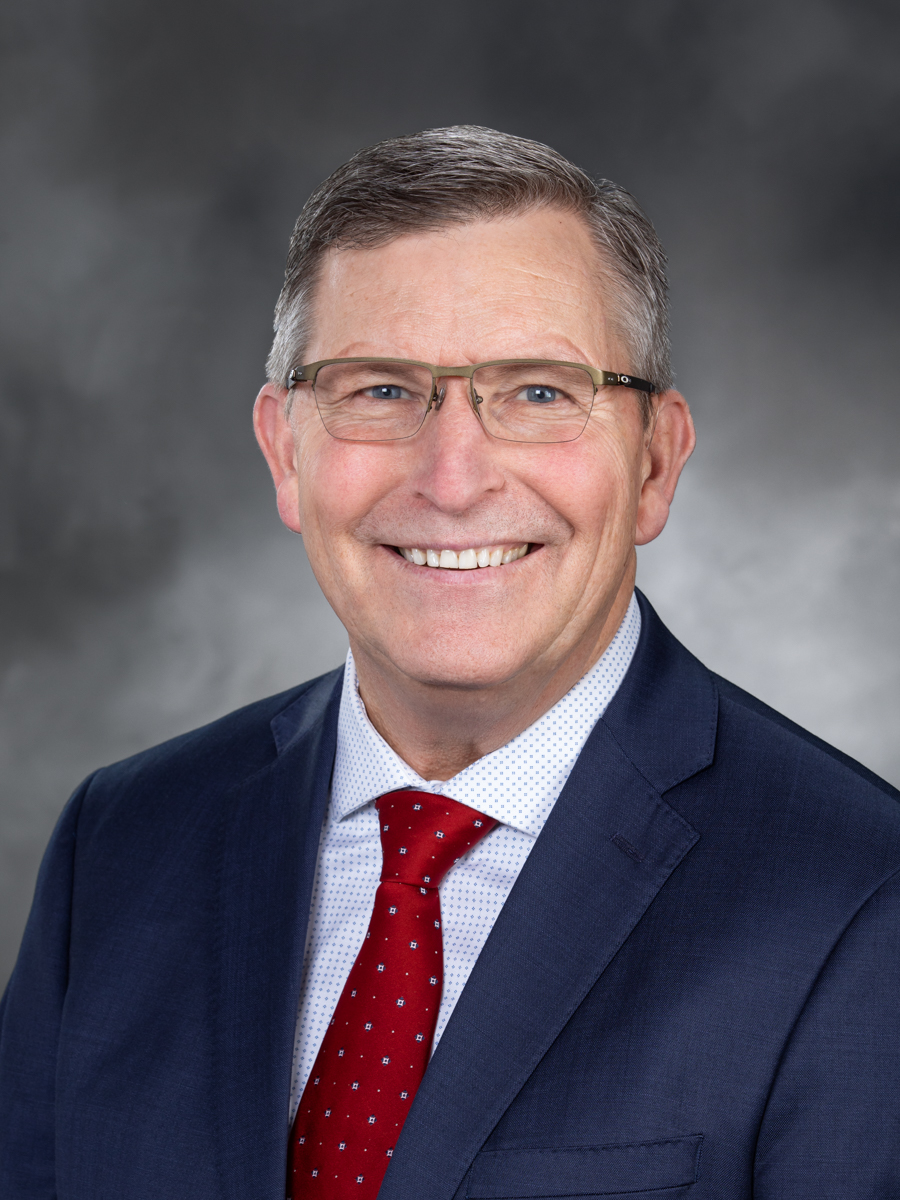
Mark Klicker
RRepublican
Co

Adam Bernbaum
DDemocratic
Co
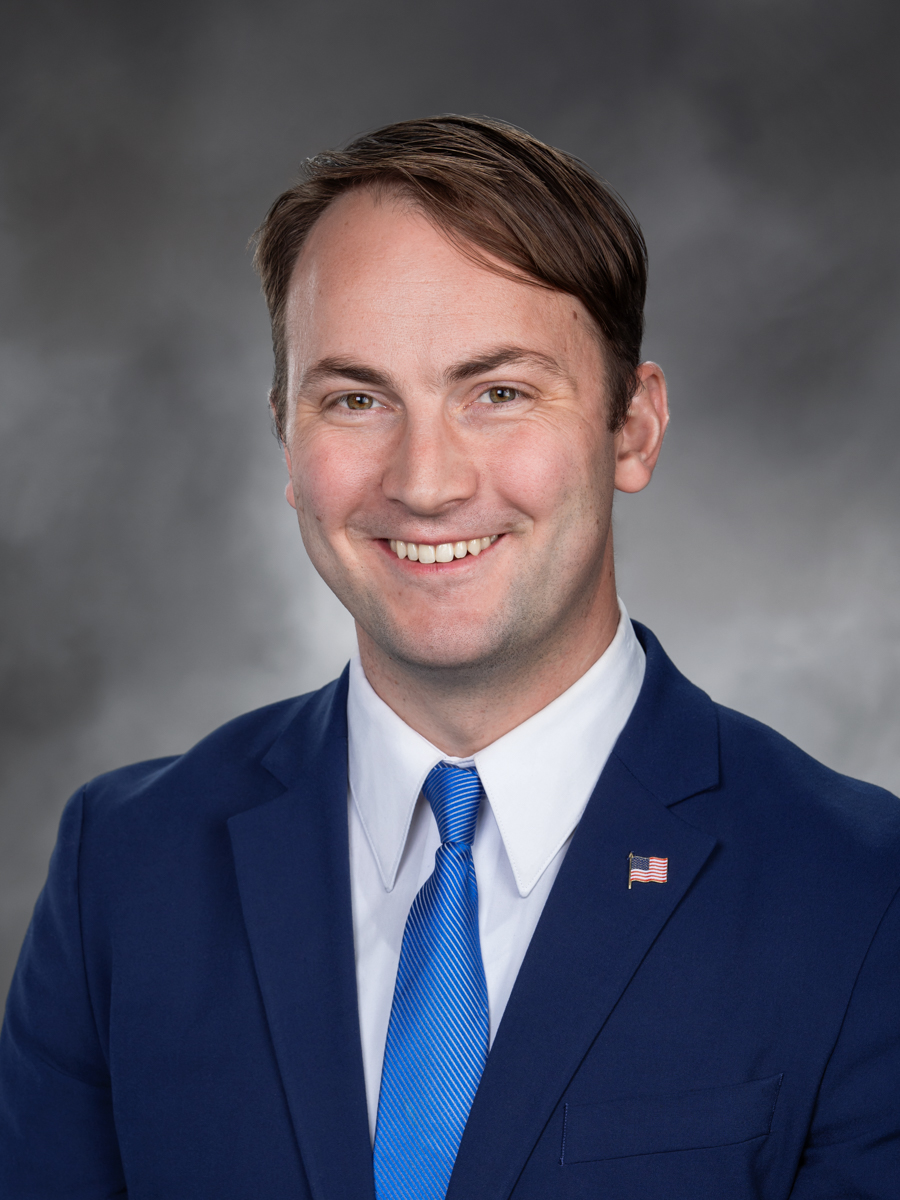
Adison Richards
DDemocratic
Co
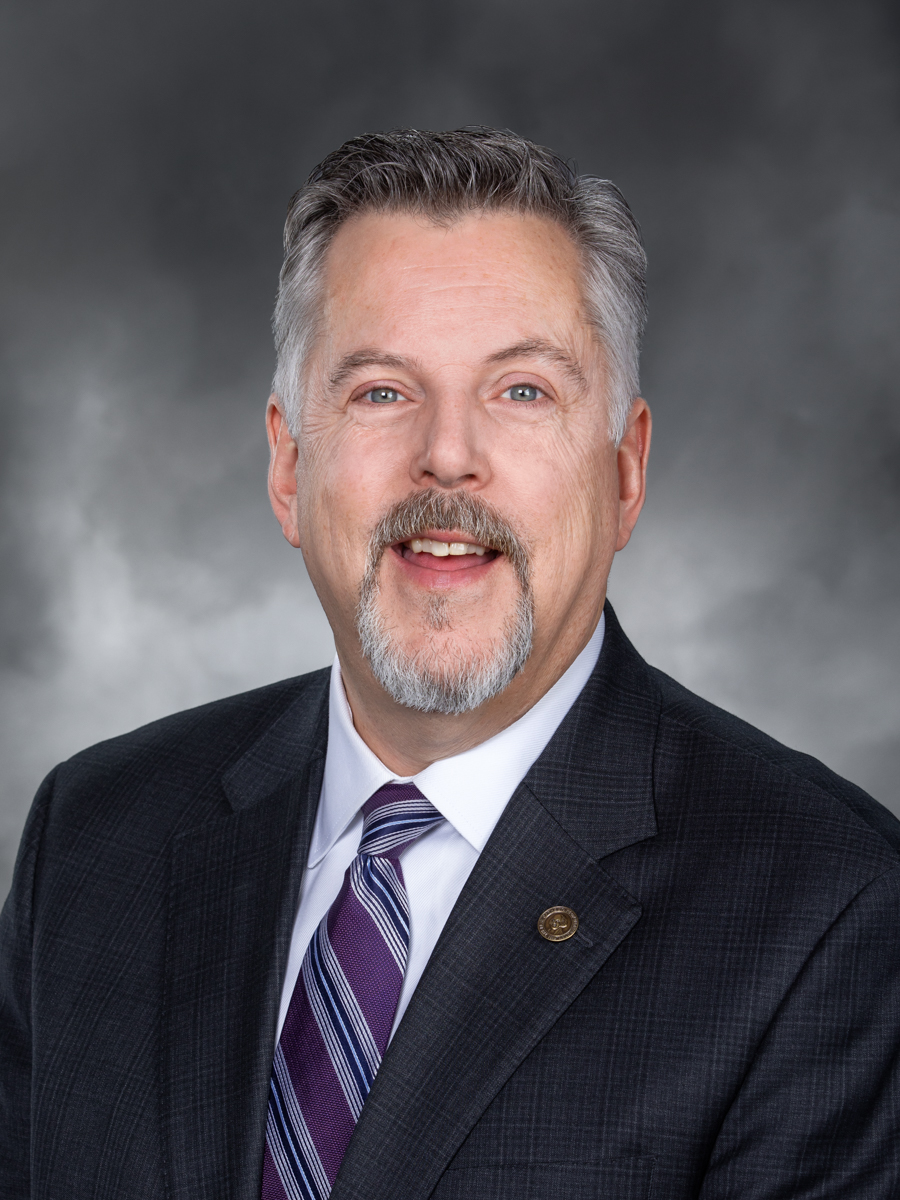
Andrew Barkis
RRepublican
Co
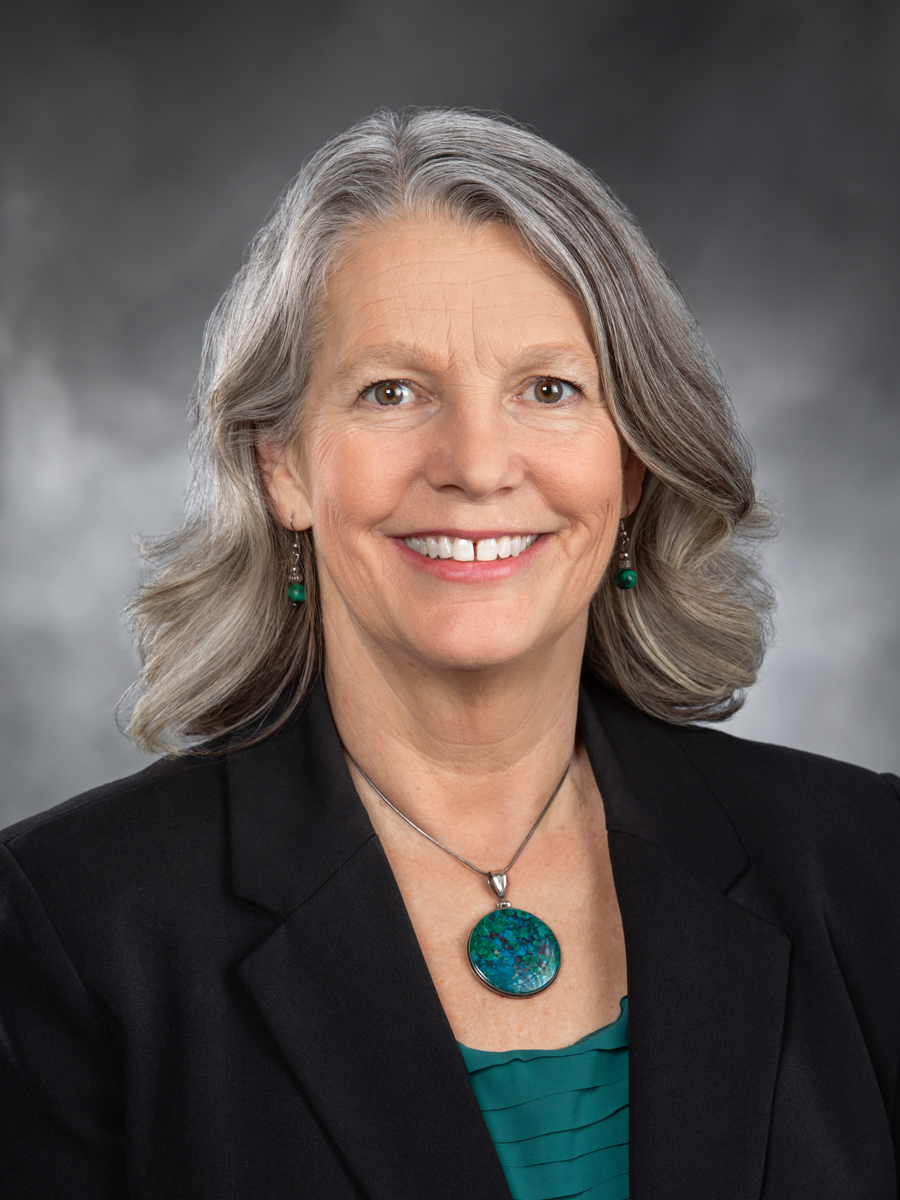
Beth Doglio
DDemocratic
Co
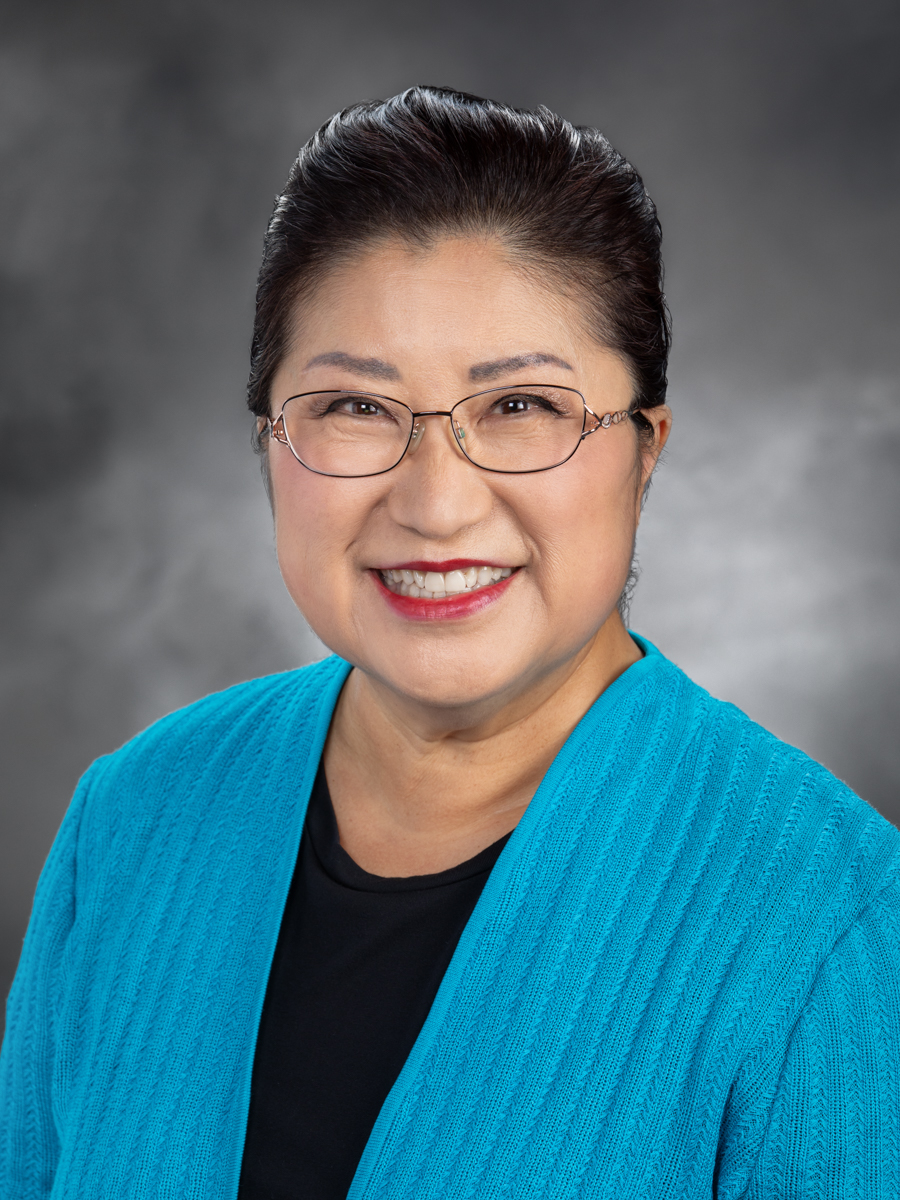
Cindy Ryu
DDemocratic
Co

Greg Nance
DDemocratic
Co
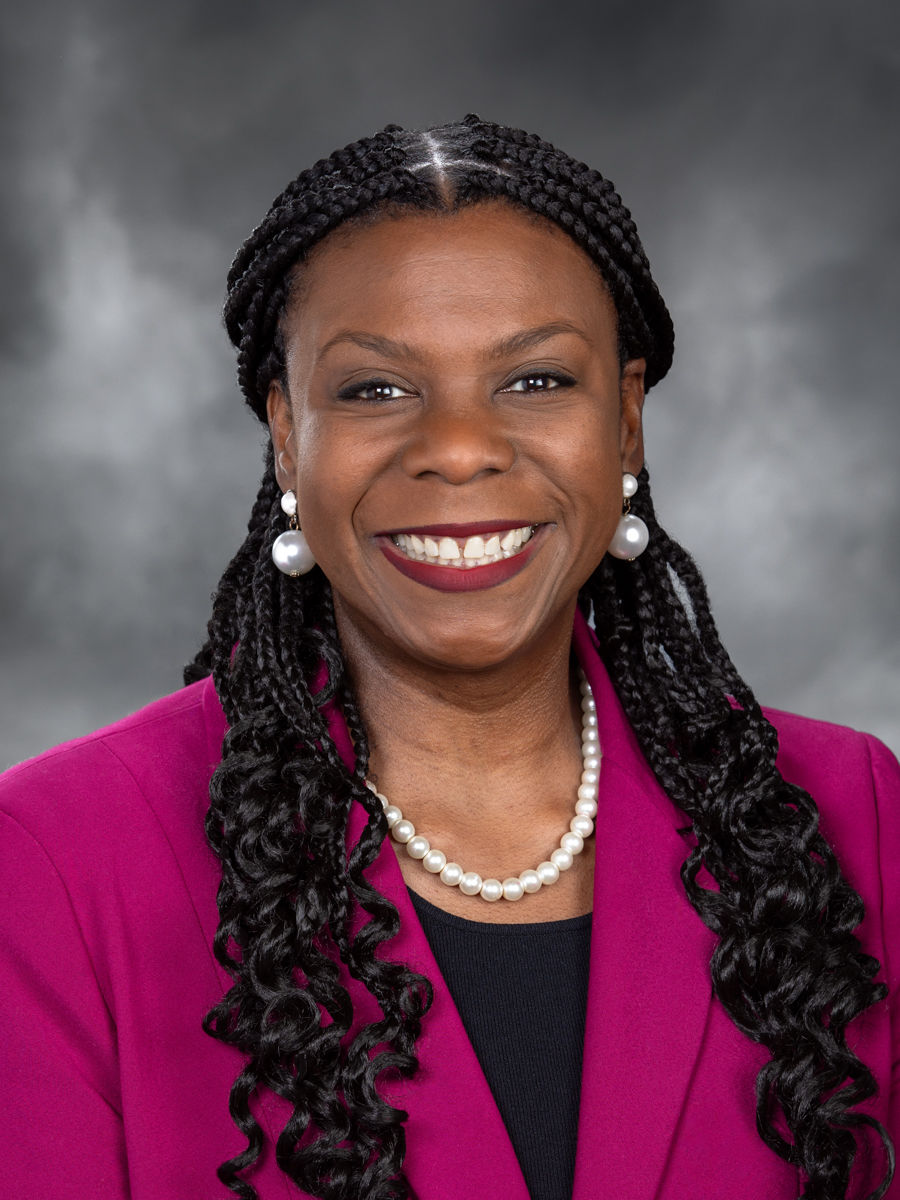
Jamila Taylor
DDemocratic
Co
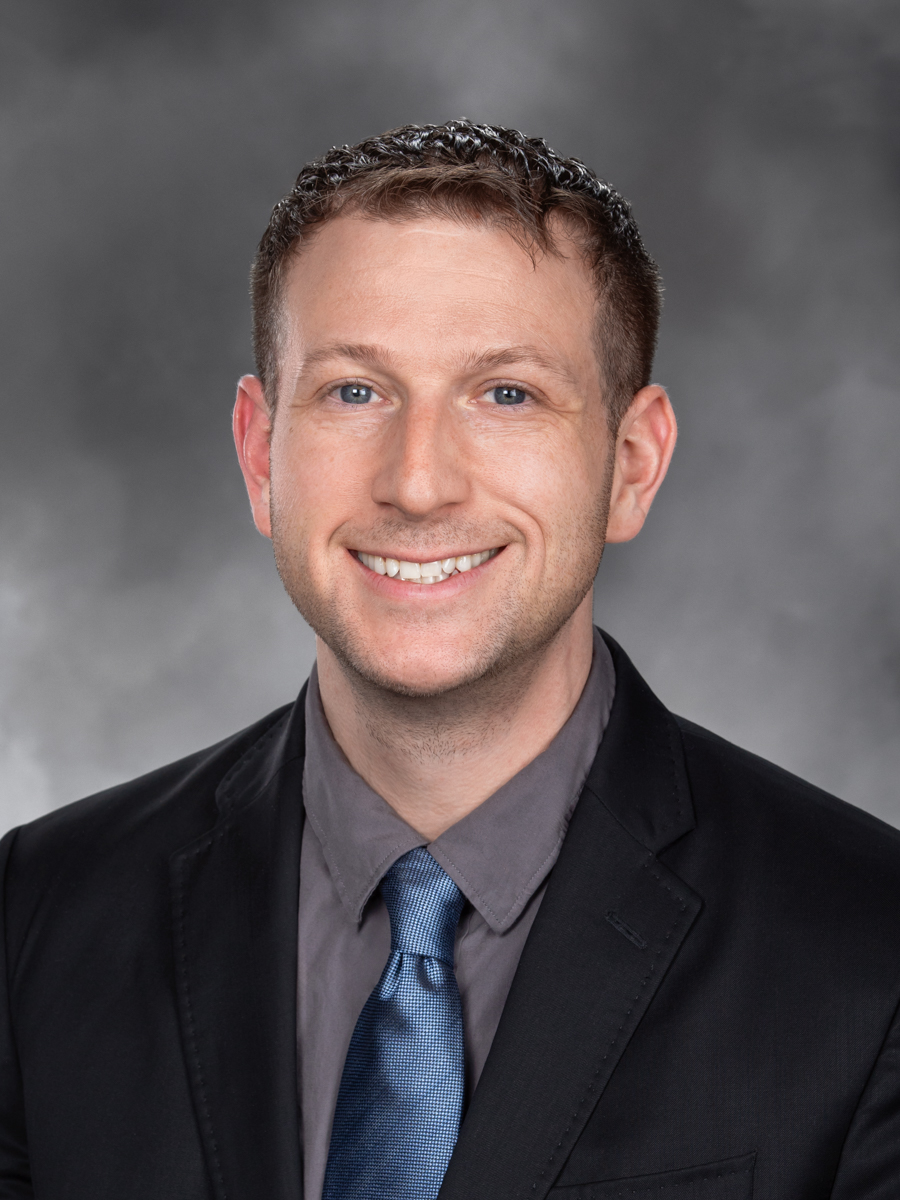
Joe Fitzgibbon
DDemocratic
Co
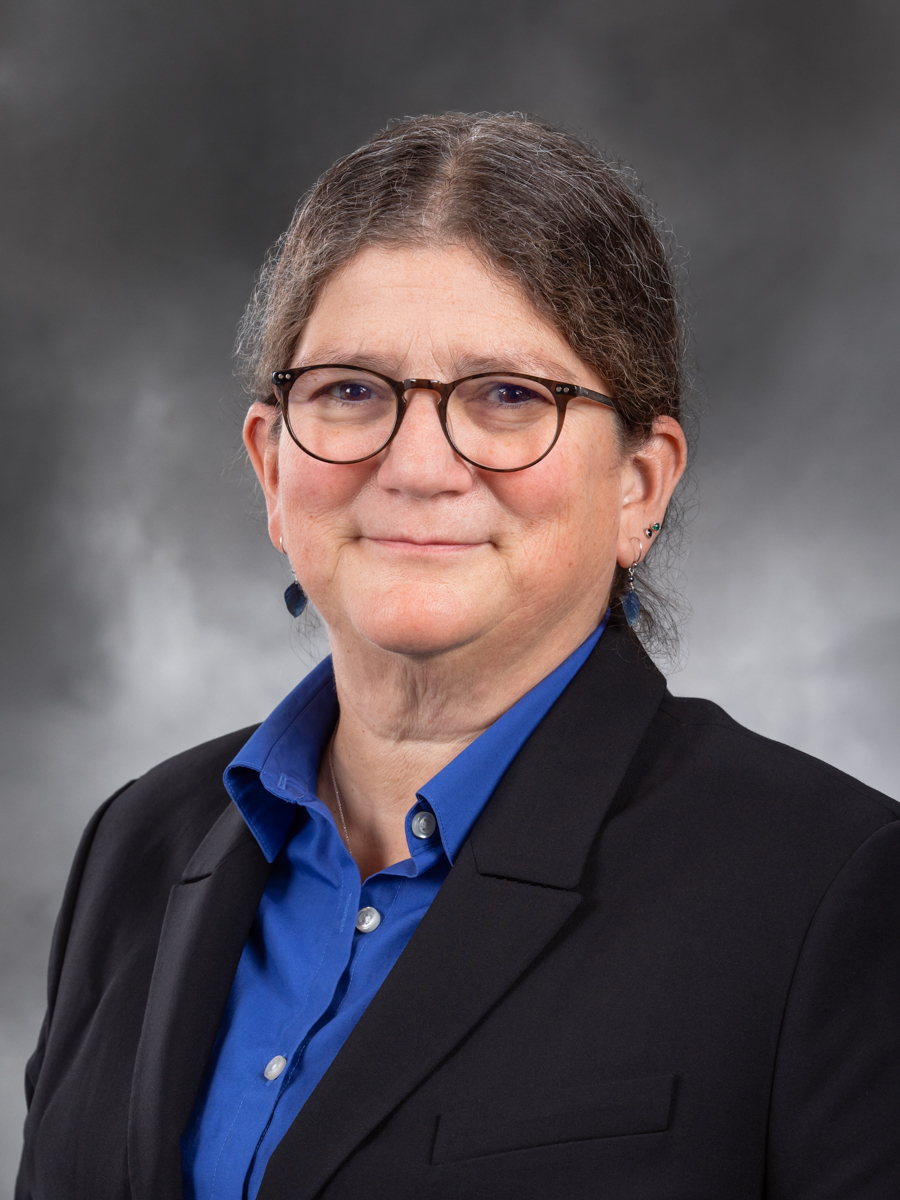
Lisa Parshley
DDemocratic
Co
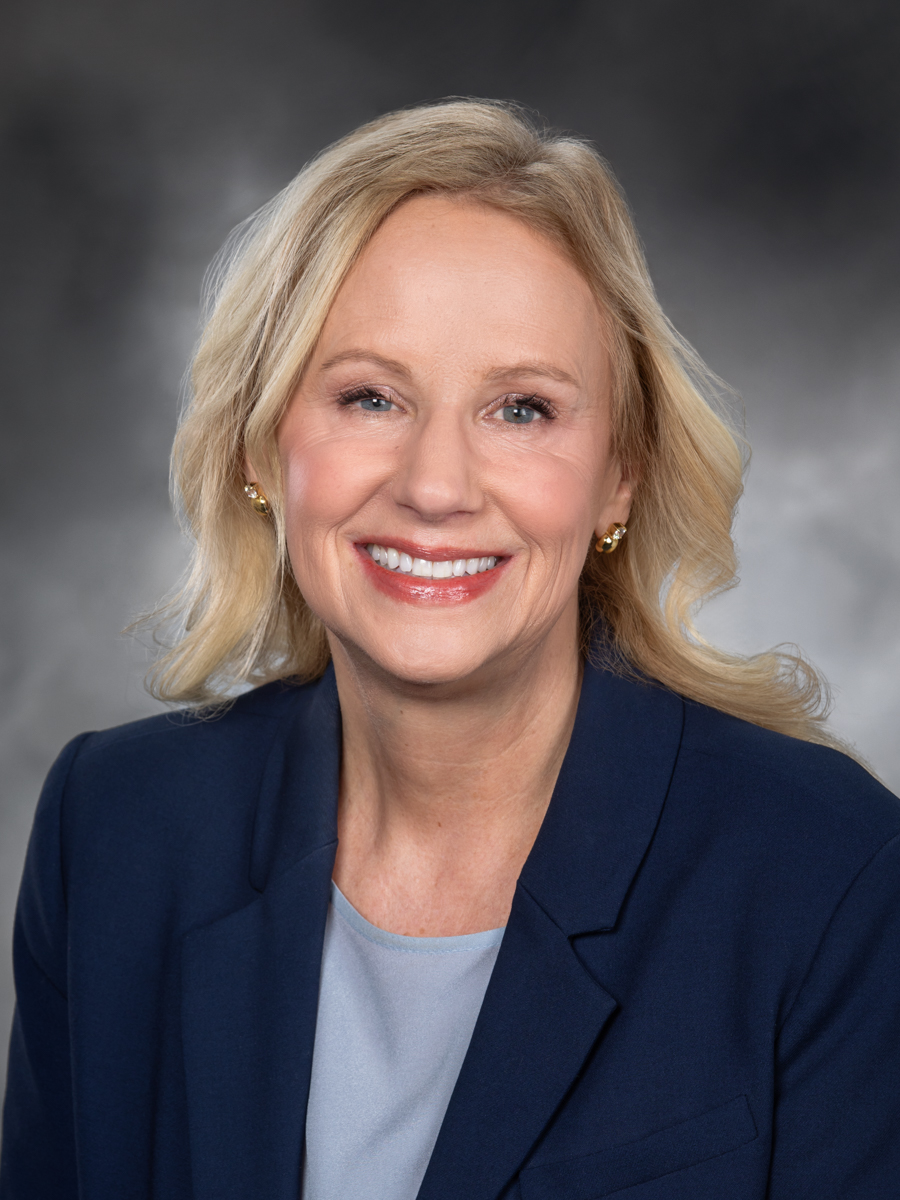
Mari Leavitt
DDemocratic
Ask Maddy
·
AI policy assistant
Ask Maddy about HB 1175
Scope: WA
Hi! I can help you understand HB 1175. What would you like to know?
Try one of these
i
Maddy answers using official bill text and legislative records. Always verify before sharing.
Sources cited inline