

Supporting civic engagement for incarcerated and institutionalized individuals in state custody to promote inclusion and rehabilitation.
HB 1147 grants incarcerated individuals in Washington state prisons, residential habilitation centers, and state hospitals the right to civic engagement. It requires state agencies to facilitate activities like forming political advocacy groups, using facility spaces for meetings, participating in virtual forums with community groups, and accessing educational resources - without fear of punishment. The bill establishes a Civic Engagement Coordinator within the Office of Equity to handle complaints and ensure agencies uphold these rights. This policy directly affects justice-involved individuals by expanding their ability to participate in civic processes during their time in state custody.
Bill status
in committee
1 of 4 stages cleared
Introduction
Jan 2026
Committee Review
Floor Vote
Governor
Introduced Jan 12, 2026
Last action Jan 12, 2026
Maddy AI version diff · 1 comparison
What changed between versions
Bill
→
Substitute Bill
·
3 edits
MINOR
The bill was amended to add formal definitions for 'civic engagement' and 'political advocacy organizations,' narrow the list of specific rights for incarcerated individuals from seven to five, and significantly alter the enforcement mechanism. The original version allowed for immediate civil lawsuits with monetary damages, while the new version requires individuals to exhaust administrative remedies (file a complaint internally) before seeking any court intervention.
Scope change
The scope of rights was slightly narrowed by removing specific rights to form political organizations and to meet with community members in person, though the definition of civic engagement was expanded to include learning about civic systems.
DEFINITION
Added new definitions for 'civic engagement' and 'political advocacy organizations' to clarify the bill's terminology.
REQUIREMENT
Reduced the number of enumerated rights from seven to five, removing the explicit right to form political organizations and the right to access physical spaces for group meetings.
ENFORCEMENT
Changed the enforcement process from allowing immediate civil lawsuits with potential monetary damages to requiring individuals to first file an internal administrative complaint before seeking court help.
Floor votes
How they voted
No floor votes recorded yet.
Full legislative history
Actions timeline
Total actions
8
Key actions
3
Committee
4
Jan 12, 2026
Introduced
By resolution, reintroduced and retained in present status.
lower
Feb 4, 2025
Committee
Referred to Appropriations.
lower
Jan 31, 2025
Lower · Passed
Minority; without recommendation.
lower
Jan 31, 2025
Lower · Passed
Executive action taken in the House Committee on State Government & Tribal Relations at 9:00 AM.
lower
Jan 15, 2025
Lower · Passed
Public hearing in the House Committee on State Government & Tribal Relations at 1:30 PM.
lower
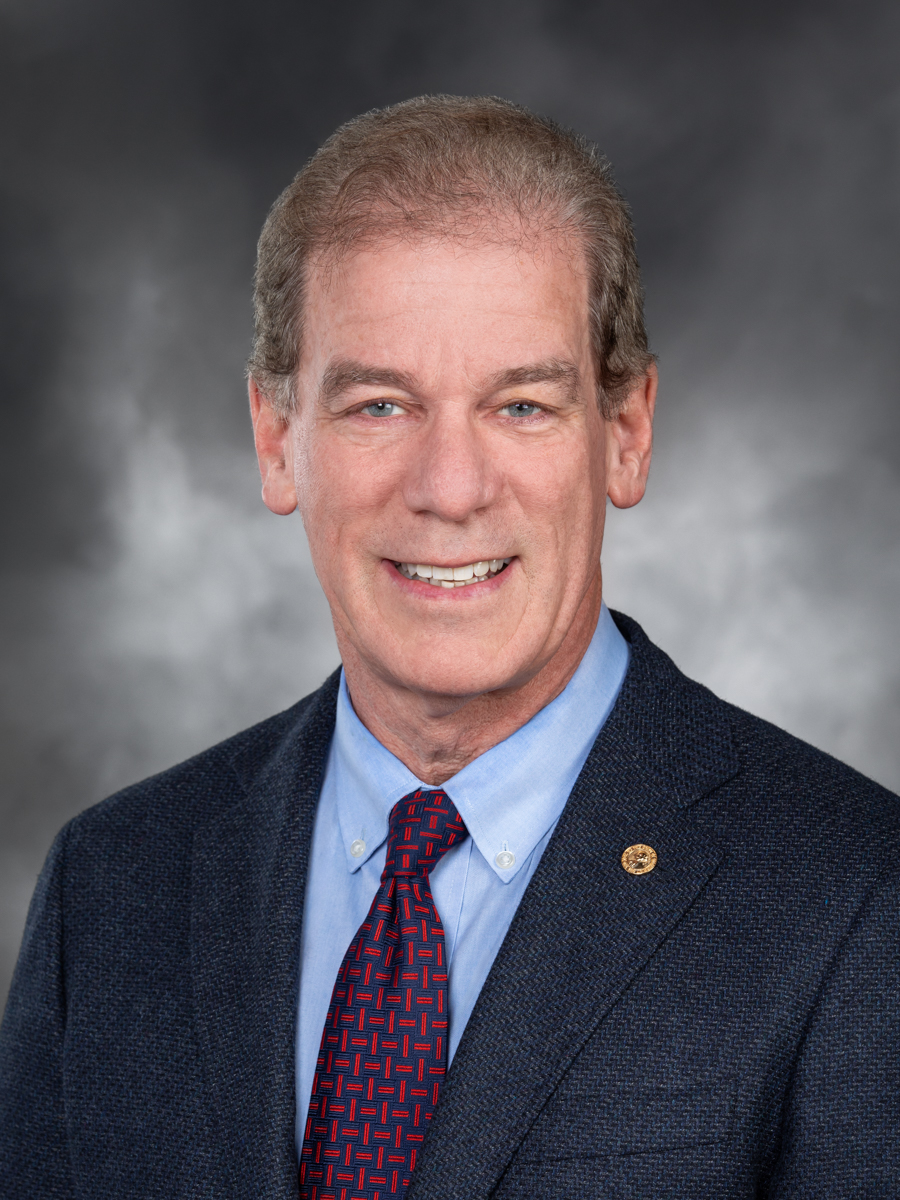
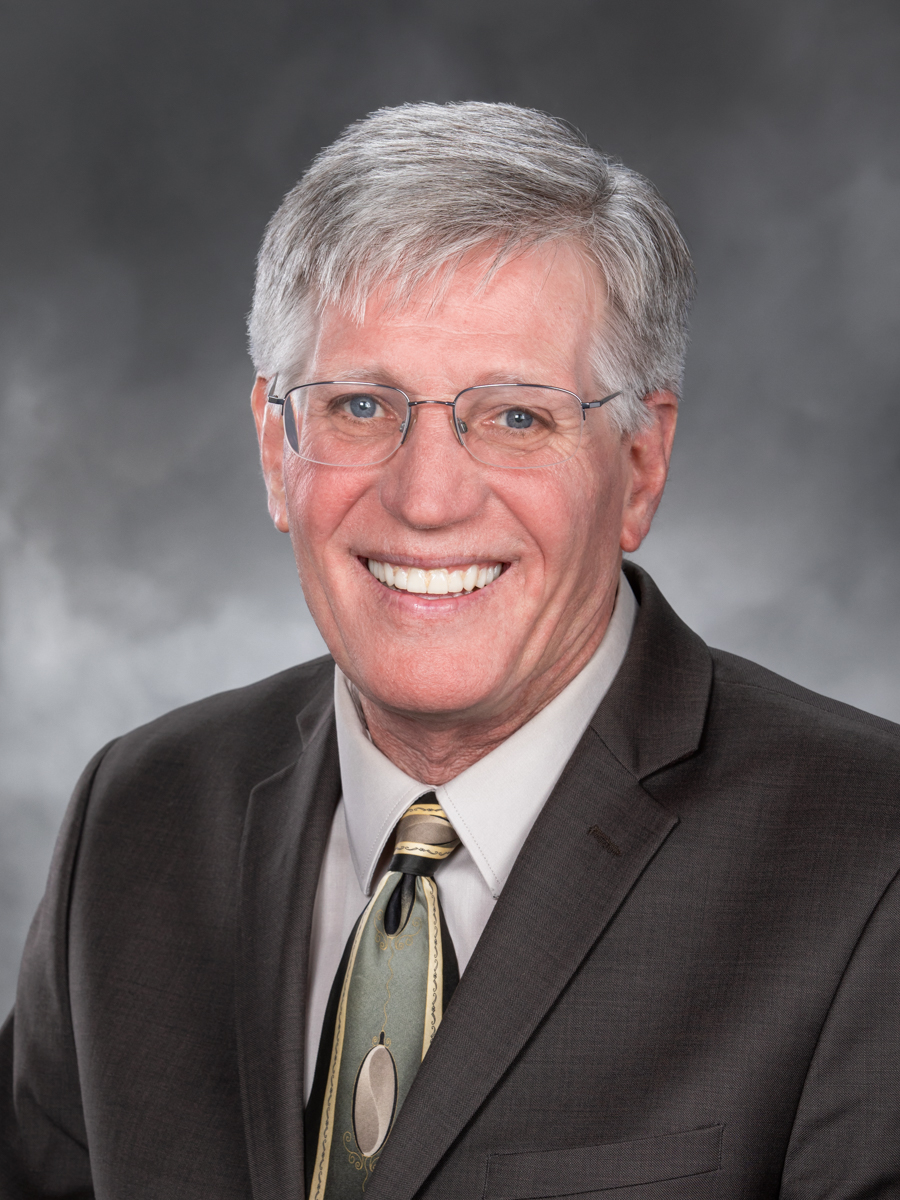
1 primary · 9 co-sponsors
Sponsors








Ask Maddy
·
AI policy assistant
Ask Maddy about HB 1147
Scope: WA
Hi! I can help you understand HB 1147. What would you like to know?
Try one of these
i
Maddy answers using official bill text and legislative records. Always verify before sharing.
Sources cited inline