Maddy summaryThis bill expands Vermont's animal cruelty laws to explicitly include sexual conduct with animals as a punishable offense. It defines "sexual conduct" broadly (e.g., touching an animal's sex organs, inserting objects, or filming such acts without veterinary purpose) and adds new aggravated cruelty provisions when minors are involved. Convicted individuals face mandatory animal possession bans for at least five years and may be required to pay for animal care costs incurred during investigations. Penalties range from up to one year in jail or $2,000 fines for standard cruelty to up to five years in jail or $5,000 fines for aggravated offenses involving sexual conduct.

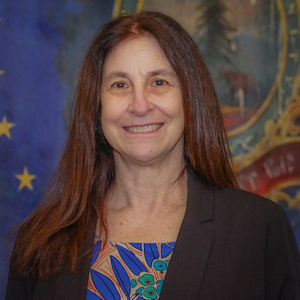
Rep. Barbara Rachelson
Sponsored bills
Maddy summaryThis bill (H 657) enables unaccompanied homeless youth aged 16+ to access key services without parental consent. It creates a certification process where youth verified as homeless by school liaisons, shelter directors, or homeless service providers receive a standardized form from the Department for Children and Families. This certification allows youth to obtain medical/dental care, mental health services, driver’s licenses, housing, school enrollment, banking services, and vital records - without needing parental permission. The bill clarifies that parental consent is not required if parents forced the youth out, neglected them, or refused support, with the Department acting in place of a guardian.
Maddy summaryThis bill, H.639 (Genetic Information Privacy Act), requires direct-to-consumer genetic testing companies to protect the genetic data of Vermont residents. It mandates that companies obtain clear "express consent" from consumers before collecting or sharing their genetic data (defined as information from DNA analysis, including SNPs and inferred data), prohibits using "dark patterns" to manipulate consent, and limits data sharing without permission. Consumers gain the right to access their own genetic data and must actively authorize its use. The law applies specifically to companies offering genetic testing directly to Vermont residents, excluding deidentified data and research conducted under federal human subjects protections.
Maddy summaryThis bill (H 211) requires data brokers in Vermont to notify consumers if their personal information is involved in a security breach, certify that data is used for legitimate purposes, and provide an accessible way for consumers to request deletion of their information. It directly affects Vermont residents whose personal data is collected and sold by businesses without a direct customer relationship (e.g., companies selling addresses, phone numbers, or biometric data). Key provisions define "data brokers" narrowly to exclude businesses with direct customer ties (like retailers or employers) and clarify that publicly available business information isn’t covered. The bill aims to strengthen protections for consumer data by adding specific obligations for brokers handling sensitive information like Social Security numbers or biometric identifiers.
Maddy summaryThis bill is a House concurrent resolution that honors Representative Kevin "Coach" Christie of Hartford for his civic leadership and extends best wishes for his future. It recognizes his long history of public service, including his work as an educator, his role on the Hartford School Board, and his legislative focus on education and social equity. The resolution directs the Secretary of State to send a copy of the document to Representative Christie.
Maddy summaryThis bill is a ceremonial resolution that honors the life and public service of former Representative Francis Matthew "Topper" McFaun. It recognizes his long career in Vermont, which included roles in the executive branch, local government, and coaching, as well as his nearly 11 years serving in the House of Representatives. The resolution formally acknowledges his contributions to the community and directs the Secretary of State to send a copy of the document to him.
Maddy summaryThis Vermont bill (H.270) establishes confidentiality for peer support counseling sessions provided to emergency service providers, including firefighters, EMTs, police officers, and others in critical response roles. All communications - oral or written - during these sessions must remain confidential, with exceptions for threats of suicide/homicide, child or vulnerable adult abuse, criminal conduct, or plans to commit a crime. Written records related to sessions are exempt from public disclosure under Vermont’s Public Records Act. The law takes effect on July 1, 2025, and applies to both paid and volunteer emergency service providers.
Maddy summaryThis bill is a House concurrent resolution that honors the memory of Terje Anderson, a gay rights advocate and political activist who passed away in 2026. It recognizes his significant contributions to social justice, including his leadership roles in AIDS service organizations and his service as chair of the Vermont Democratic Party. The resolution formally expresses the General Assembly's condolences to Anderson's family and directs the Secretary of State to send a copy of the document to his survivors and the Vermont Democratic Party.
Maddy summaryThis bill is a House concurrent resolution that expresses the General Assembly's best wishes for a speedy and complete recovery to Representative Anne Donahue. It directly affects Representative Donahue, who recently suffered a brain aneurysm but is recovering well as of March 2026. The resolution highlights her long-standing contributions to mental health care, including her work on the Vermont Psychiatric Care Hospital and efforts to address historical injustices related to eugenics. Additionally, it directs the Secretary of State to send a copy of the resolution to Representative Donahue.
Maddy summaryThis bill establishes "neurological rights" in Vermont, protecting individuals from unauthorized use of neural data (like brain activity measurements) and preventing AI from bypassing conscious decisions without consent. It requires written consent before collecting or sharing neural data from brain-computer interfaces, bans "consciousness bypass" (using tech to manipulate brain activity without awareness), and regulates AI in mental health chatbots and patient communications. The law directly affects patients, healthcare providers, and AI developers in Vermont's health/human services sector. It also extends the AI Advisory Council's mandate and mandates reports on ethical AI use in healthcare, education, and human services.