Maddy summaryHB 195 extends the state treasurer's requirement to study precious metals' role in economic security for 2026-2027, mandating annual reports to the Revenue and Taxation Interim Committee. It requires the state treasurer to issue requests for proposals seeking a vendor to create a gold/silver-backed electronic payment system, where physical precious metals held in Utah vaults would back transactions. The system would allow state contractors to receive payments electronically and redeem physical metals, though participation is voluntary for both contractors and state entities. The bill modifies existing investment rules for public funds and sets no new spending, focusing on procedural steps for potential future implementation.

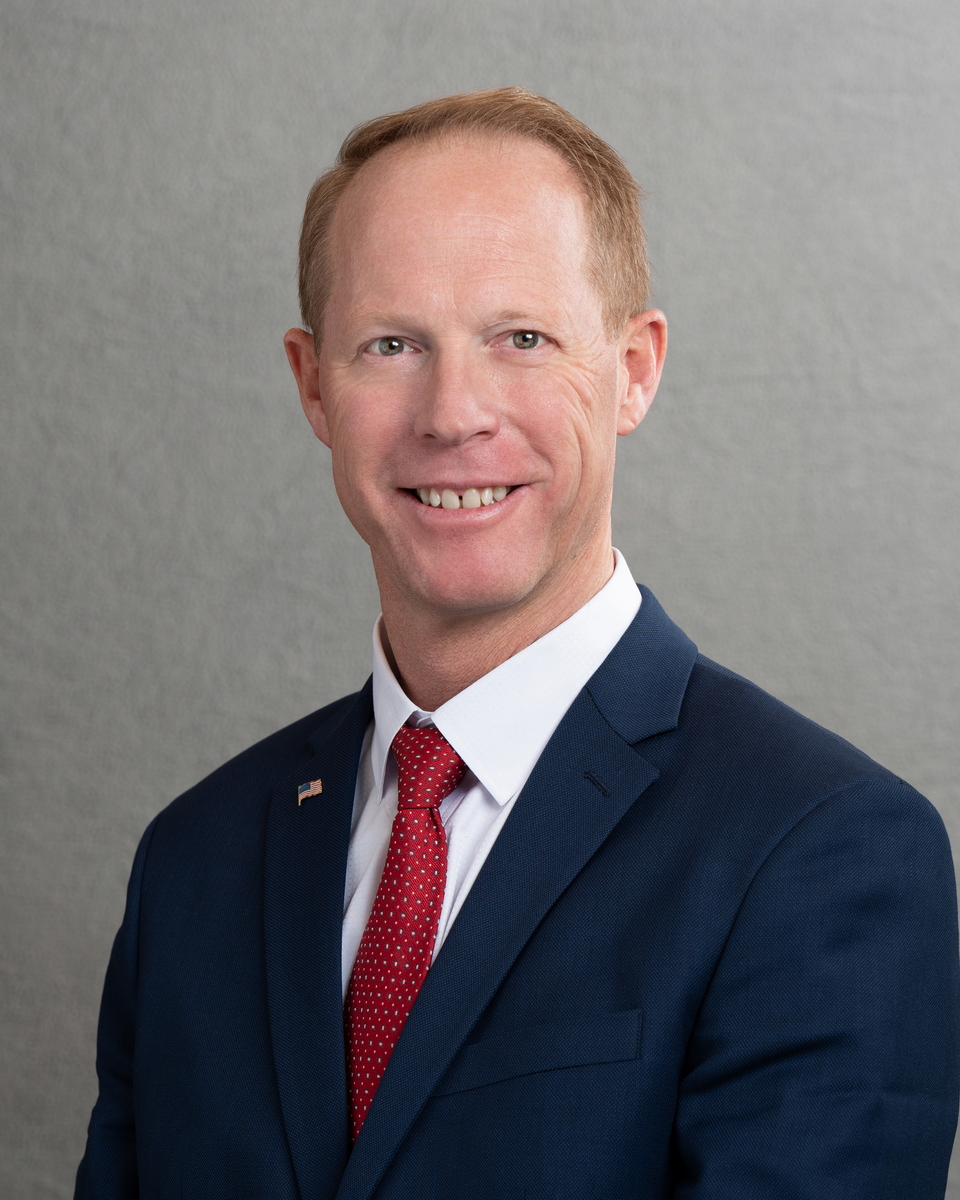
Sen. Keith Grover
Sponsored bills
Maddy summarySB 201 updates Utah's rules for euthanizing animals in shelters. It requires animal shelters (excluding private humane societies) to only euthanize dogs or cats if no reasonable alternatives exist, after waiting for holding periods and notifying other shelters/rescue groups. Shelters must wait two business days for transfer requests and three days for animal collection before euthanizing, unless the animal has a serious injury/disease or is deemed dangerous. The bill affects shelters managing unclaimed animals and aims to prioritize adoption or transfer over euthanasia. It takes effect May 6, 2026.
Maddy summaryHB 339 requires the University of Utah Health to study whether a street medicine program could operate in Davis, Salt Lake, and Utah counties by 2027. It directs Utah's Department of Health to develop guidelines for street medicine providers by July 2026, covering Medicaid coverage and community resources. The bill defines "street medicine" as healthcare provided outside clinics to people experiencing unsheltered homelessness, such as those sleeping in vehicles, parks, or encampments. These guidelines and the feasibility study aim to create a framework for this type of care, with no new funding allocated.
Maddy summaryHB 331 modifies Utah criminal law to clarify and expand certain offenses. It renames "threat of terrorism" to "terrorism" and clarifies the offense covers completed acts, not just threats. The bill creates new offenses including "unlawfully advancing foreign organizations" (e.g., aiding terrorist groups), "intentional concealment of identity" (e.g., wearing masks during crimes), and "unlawful deprivation of civil rights" (allowing victims to sue perpetrators). It also expands "aggravated disorderly conduct" to include blocking streets with two or more people. These changes directly affect individuals committing these specific criminal acts and apply to Utah state law.
Maddy summarySB 236 amends Utah's property tax exemption process to clarify deadlines and procedures for property owners seeking exemptions. It requires property owners to file applications by March 1 each year and mandates county boards of equalization to issue written decisions on applications by the date the county assessor completes the assessment book. The bill also allows county boards to request additional information instead of holding hearings, requires them to revoke exemptions when property no longer qualifies, and mandates that written decisions include notice of appeal rights. Additionally, it establishes an annual reporting requirement for certain exemptions (like agricultural or historic properties) to maintain eligibility, with failure to file triggering automatic revocation.
Maddy summarySB 326 modifies term lengths for school board president and vice president in *new* Utah school districts. It allows newly formed districts to set initial terms as either: (a) the remainder of the calendar year they join plus one additional year, or (b) the remainder plus three additional years. This change applies only to the first terms of officers in districts established after the bill takes effect in 2026. Existing districts and subsequent terms remain unchanged under current two-year election cycles. The bill does not appropriate funds or alter voting procedures for regular elections.
Maddy summaryHB 299 requires Utah public schools to create specific policies for responding when students are arrested, charged, or convicted of serious offenses or sexual crimes. The bill clarifies that school policies must address crimes occurring both on and off school property, mandates school resource officers to provide safety input before a student's return, and requires alternative school placements if a student shares a school with a victim or someone protected by a restraining order. These policies must comply with state and federal law and apply to all Utah local education agencies (LEAs). The bill takes effect on May 6, 2026, with no new funding required.
Maddy summaryHB 417 allows patients to use non-medical transportation (like family rides or public transit) for moving between healthcare facilities when their condition doesn't require ambulance transport. It requires hospitals to provide written notices explaining why ambulance isn't needed, potential insurance coverage issues, and cost details, and to help arrange the transport. Receiving facilities cannot charge for admission or readmission if the patient arrives within two hours of discharge without a medical condition change, and must hold the offered bed. The bill also protects hospitals from liability when non-medical transport is permitted under the specified conditions.
Maddy summaryHB 15 amends Utah's Medicaid expansion program to address potential reductions in federal funding. It changes the automatic end date for the expansion if federal matching funds decrease, requires the Department of Health and Human Services to terminate programs that would reduce federal funds, and mandates a report to the legislature if funding drops. The bill also allows the state tax funding Medicaid expansion to end if the program concludes. These changes directly affect Utah's Medicaid beneficiaries and the state's administration of the program, focusing on maintaining federal funding alignment without new state spending.
Maddy summarySB 271 establishes a new Office of Interscholastic Activities within Utah's State Board of Education to govern high school sports and activities. This office will set rules, oversee operations, and may contract with private organizations to manage these programs. The bill also creates an advisory council to provide input and requires regular reports to the State Board and Education Interim Committee. It directly affects Utah public schools, student athletes, and school administrators by centralizing oversight of high school athletic programs under the new office.