Maddy summaryHB 473 moves Utah's Colorado River Authority from the governor's office to the Department of Natural Resources, streamlining oversight of Colorado River water management. The bill modifies how authority members are appointed, expands the authority's powers and duties, removes restrictions on the river commissioner's compensation, and repeals a restricted account. It also allocates $1.6 million in state funds for the authority's 2027 operations and capital needs. This bill directly affects the Colorado River Authority's structure, staffing, and management of water resources in Utah.

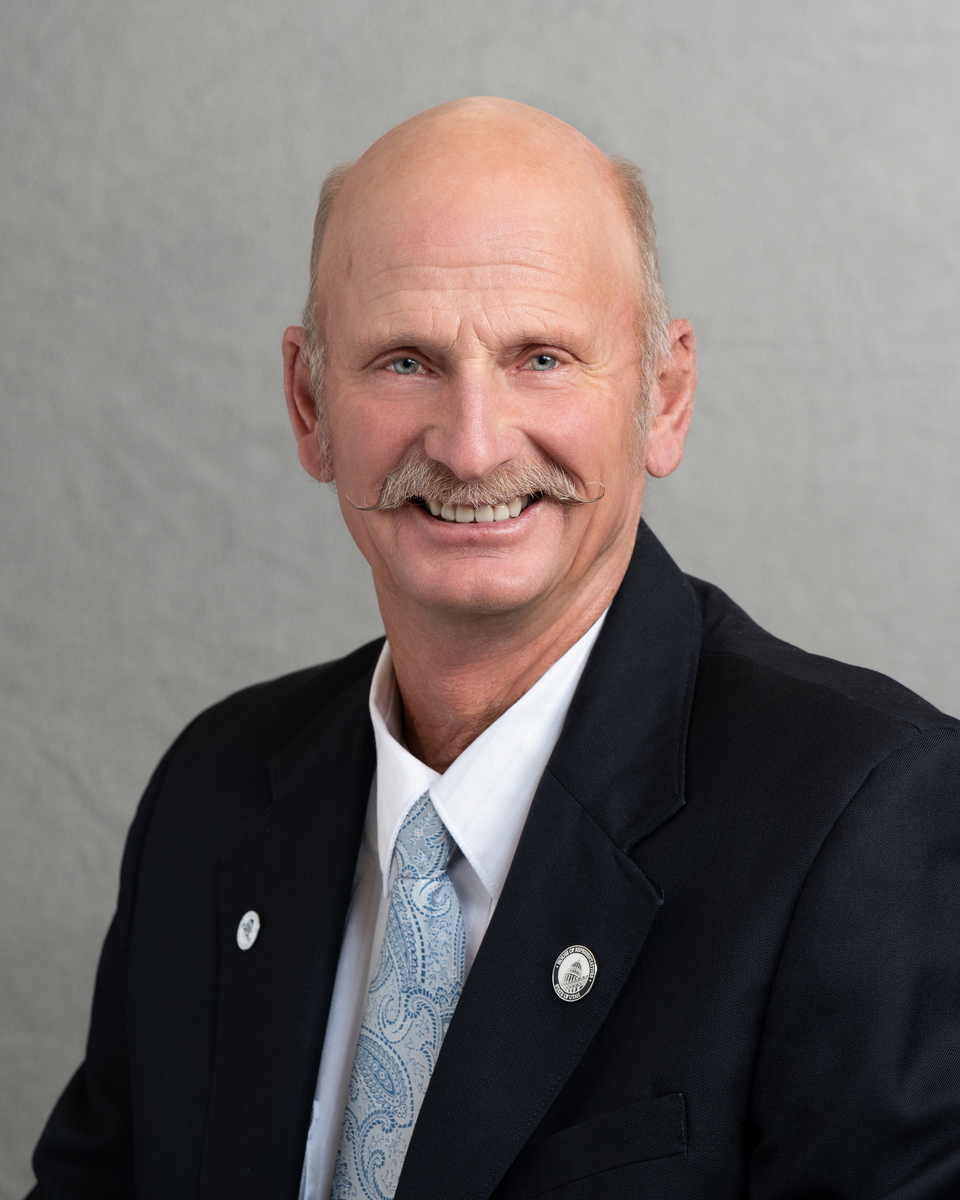
Rep. Scott Chew
Sponsored bills
Maddy summaryHB 251 clarifies procedures for submitting and verifying historical water claims on homestead parcels in Utah. It creates a rebuttable presumption that water use on homesteads is valid unless challenged, streamlining the process for landowners with longstanding, unrecorded water rights. The bill defines key terms, requires specific documentation for claims (like engineering surveys), and sets clear steps for the state engineer to review claims and handle disputes. This directly affects Utah homeowners and farmers who have used water on homestead property without formal permits but lack recorded water rights.
Maddy summaryHB 37 amends Utah's Used Oil Management Act to increase the recycling fee on lubricating oil sales starting July 1, 2026, and grants the Division of Waste Management rulemaking authority to set future fees beginning July 1, 2027. The bill requires the Division to notify the State Tax Commission 90 days before any fee change takes effect and clarifies that grant funds can be used to hire permitted transporters for curbside used oil collection programs. It directly affects lubricating oil vendors who must collect and remit the fees, and supports used oil collection programs through updated incentive payment rules. The changes take effect May 6, 2026, with the new fee structure beginning July 1, 2026.
Maddy summaryHB 63 creates a new process for livestock water right claims in Utah, specifically for water used to water livestock from existing surface sources. It defines "sub-basin livestock watering claims" requiring landowners to map and get state engineer approval for geographically limited sub-basins (not impairing other rights), while restricting claims to historically used water levels without increasing total usage. The bill allows ranchers to build small ponds (≤900 sq ft) without permits but requires approval for large ponds (>900 sq ft) and dam safety compliance. It directly affects livestock water right holders on private or public grazing land with documented historical watering practices, ensuring no net increase in water use beyond past levels.
Maddy summaryHB 431 creates a dedicated Wildlife Crossing Account funded through voluntary $1 contributions when Utah residents apply for vehicle registration or purchase hunting, fishing, or other licenses. The bill directs the Department of Transportation, with input from wildlife officials, to prioritize projects that improve wildlife safety (like animal crossings over roads) and protect livestock. It does not appropriate new state funds but instead uses existing voluntary contributions and allocates a portion of sales tax revenue to the account. The account will support projects designed to reduce wildlife-vehicle collisions and enhance habitat connectivity across Utah.
Maddy summaryThis bill allows Utah county recorders to accept real estate documents without notarization if the lieutenant governor has affixed the Great Seal to the document. It directly affects property owners, real estate professionals, and county recorders by creating a new verification method for document recording. The change modifies existing Utah law to permit this exception while maintaining other standard requirements like document language, size, and legibility. This is a technical update with no new costs or broad policy changes, as it only provides one additional acceptable form of verification for certain documents.
Maddy summaryHB 120 prohibits operating a vehicle with a cargo carrier (including hitch-mounted racks, bicycle racks, cargo trays, or baskets) that blocks the tail light unless red auxiliary lighting or reflectors meeting visibility standards are installed. Drivers must attach these to the carrier, ensure lights activate with brake lights, and be visible from 500 feet to the rear. Violations carry fines up to $100 for a first offense and $200 for repeat offenses within three years. This directly affects drivers using cargo-carrying equipment on Utah roads.
Maddy summaryHB 166 allows owners of qualifying commercial trailers (specifically intrastate trailers not used as travel trailers) to pay a single one-time fee for lifetime registration instead of paying annual property taxes. This replaces ongoing property tax payments with a fixed, uniform fee at the time of registration. The bill affects commercial trailer owners who choose this option, eliminating future annual tax obligations for their trailers. It amends Utah's registration code to establish this lifetime registration process, effective January 1, 2026.
Maddy summarySB 28 extends the expiration date for Utah's Livestock Brand Board from July 1, 2025, to July 1, 2035. This procedural bill directly affects the Livestock Brand Board, which oversees livestock identification and branding regulations in Utah. The key provision amends Utah Code Section 63I-1-204 to delay the board's automatic repeal by 10 years. No new policies or funding are introduced - this is solely a technical extension of the board's existing authority. The change ensures the board continues operating without needing reauthorization until 2035.
Maddy summarySB 113 creates a rebuttable presumption that a driver was negligent in collisions involving open-range livestock drifting onto highways to or from their accustomed ranges. This applies specifically to livestock in "open range" areas (as defined in Utah law), shifting the legal burden from livestock owners to drivers in such cases. The bill also limits damages for livestock to their replacement cost in these civil actions. It amends Utah Code Section 41-6a-407, effective May 7, 2025, without changing existing restrictions on livestock on highways.