

Maddy summaryThis bill provides supplemental budget funding for Utah state government agencies and institutions for fiscal year 2027, totaling approximately $1.16 billion in operating and capital budgets. It directly affects state departments including corrections, criminal justice, higher education, and various administrative offices by increasing or decreasing their allocated funds. The legislation authorizes specific employment levels for internal service funds and outlines funding sources from the General Fund, Income Tax Fund, and various restricted accounts. Money is distributed across programs such as jail reimbursement, indigent defense services, prison operations, and children's justice centers, with some line items showing budget reductions alongside increases.
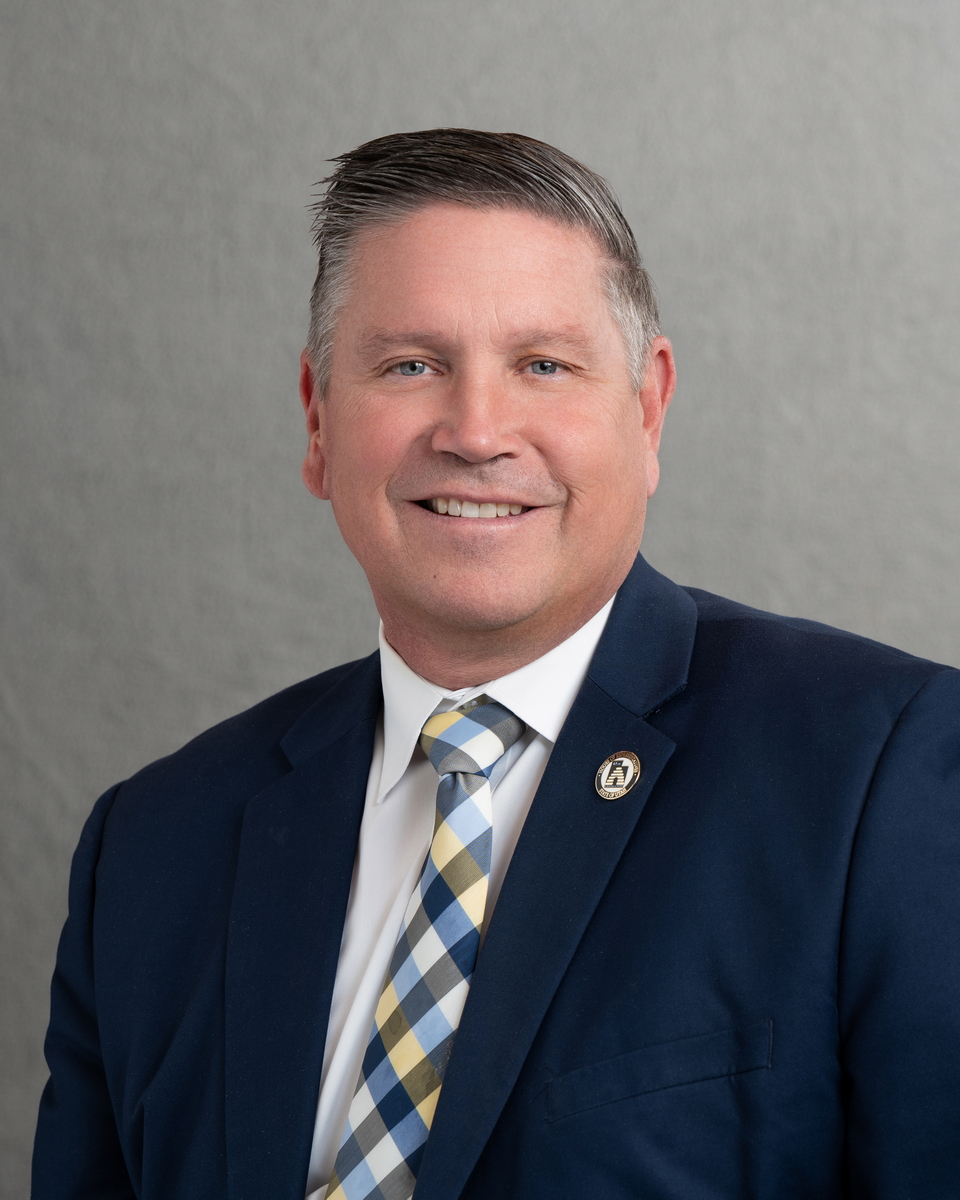
Rep. Val Peterson
Sponsored bills
Maddy summaryThis bill provides supplemental funding for Utah state government operations during fiscal year 2026, totaling approximately $483.7 million across operating budgets, business-like activities, and transfers. It directly affects state agencies including the Governor's Office, Attorney General's office, Department of Corrections, and higher education institutions by allocating specific funds for their continued operations and projects. The legislation authorizes employment levels for internal service funds and includes provisions allowing certain funds to carry over to the next fiscal year for designated purposes like inmate housing, equipment purchases, and legal services. All appropriations are detailed by specific agency, fund source, and intended use, with restrictions on how nonlapsing funds may be spent.
Maddy summaryHB 3 adjusts state government budgets for fiscal years 2026 and 2027 by increasing or decreasing funding for various agencies, education programs, and higher education institutions. The bill provides specific budget changes for criminal justice agencies, including the Governor's Office, Board of Pardons and Parole, Judicial Council, and Department of Public Safety, with some funds designated for technology upgrades and program implementation. It also allocates money to support bills passed in the 2026 General Session and includes intent language regarding fund usage. The legislation appropriates hundreds of millions of dollars across operating budgets, expendable funds, and business-like activities from multiple funding sources including the General Fund, Income Tax Fund, and various restricted accounts.
Maddy summaryHB 545 modifies Utah's budgetary accounts and fund management. It changes the names of two accounts (Agriculture Conservation Easement Account and LeRay McAllister Working Farm and Ranch Fund), repeals five existing funds (including Navajo Water Rights and Alternative Fuel Grant Programs), and creates the new Energy Development Infrastructure Fund to provide loans for nuclear power infrastructure. The bill also clarifies grant administration rules, prohibits agencies from using grant funds to manage grants unless specified, and adjusts reporting requirements for competitive grants. These changes primarily affect state agencies managing public funds, conservation programs, and energy infrastructure projects.
Maddy summarySB 276 extends existing benefits available to most tax-exempt organizations in Utah to tax-exempt veteran organizations. It allows these veteran groups to claim sales tax exemptions for charitable activities, receive campaign contributions subject to standard limits, accept donations from state agencies, and acquire conservation easements. The bill also clarifies that terms like "charitable" and "nonprofit" in Utah law include tax-exempt veteran organizations unless otherwise specified. These changes ensure veteran organizations have equal access to state resources and programs without creating new funding or altering campaign finance rules. The bill amends multiple Utah code sections but does not appropriate new funds.
Maddy summaryHB 513 modifies how Utah state agencies pay for legal services provided by the Attorney General's Office. It requires agencies to agree annually on a "retainer" amount for expected legal costs, calculated based on actual time spent by the AG's Office, rather than estimates. These funds are collected into a new Legal Services Retainer Fund, which the AG's Office uses to cover agency legal charges during the fiscal year, with agencies covering any excess from their existing budgets. The bill also creates a non-lapsing Legal Services and Litigation Program to fund state defense in civil lawsuits meeting specific criteria, using existing appropriations without new money.
Maddy summarySB 152 clarifies how public school districts and higher education institutions handle student data by requiring clear explanations about what data is collected, how it will be used, and the right for families to opt out of data sharing. The bill specifically addresses transparency around data practices under existing law (Section 53E-9-402(1)), mandating that schools disclose collection methods, usage purposes, and opt-out options to parents or guardians. It directly affects school districts, colleges, and families by standardizing data privacy communication. The bill focuses on concrete policy changes to improve transparency, not on new funding or program creation. (3 sentences)
Maddy summaryHB 279 amends Utah's Higher Education Code to include private postsecondary educational institutions under certain sections that previously applied only to public institutions. The bill updates definitions and provisions to ensure private colleges and universities are covered by existing higher education regulations, such as those governing the STEM Action Center Board. Key changes involve modifying code sections (including 9-22-102, 9-22-104, and 53H-11-306) to explicitly reference "private postsecondary educational institutions" in relevant contexts. This technical adjustment ensures private institutions are subject to the same statutory frameworks as public higher education entities, without creating new programs or appropriating funds.
Maddy summarySB 220 modifies Utah's tuition waiver program for Purple Heart recipients pursuing graduate studies. It removes a previous requirement that veterans apply for graduate waivers within 10 years of completing an undergraduate degree and increases the maximum total waiver amount from $10,000 to $15,000. The bill also clarifies that waivers apply for up to five years after program acceptance or until degree completion, whichever comes first. This change directly affects Utah residents who are Purple Heart recipients enrolled in graduate programs at state institutions. The bill takes effect on May 6, 2026.
Maddy summarySB 192 updates procedures for the Legislative Management Committee (LMC), clarifying its role in overseeing workplace harassment and discrimination policies. It requires annual rotation of the LMC chair and vice-chair between the Senate President and House Speaker, mandates quarterly meetings, and grants the Senate President and House Speaker joint authority to break committee ties. These changes directly affect how the LMC governs legislative operations and committee workflows. The bill focuses solely on procedural adjustments to committee management, with no substantive policy changes to laws or regulations.