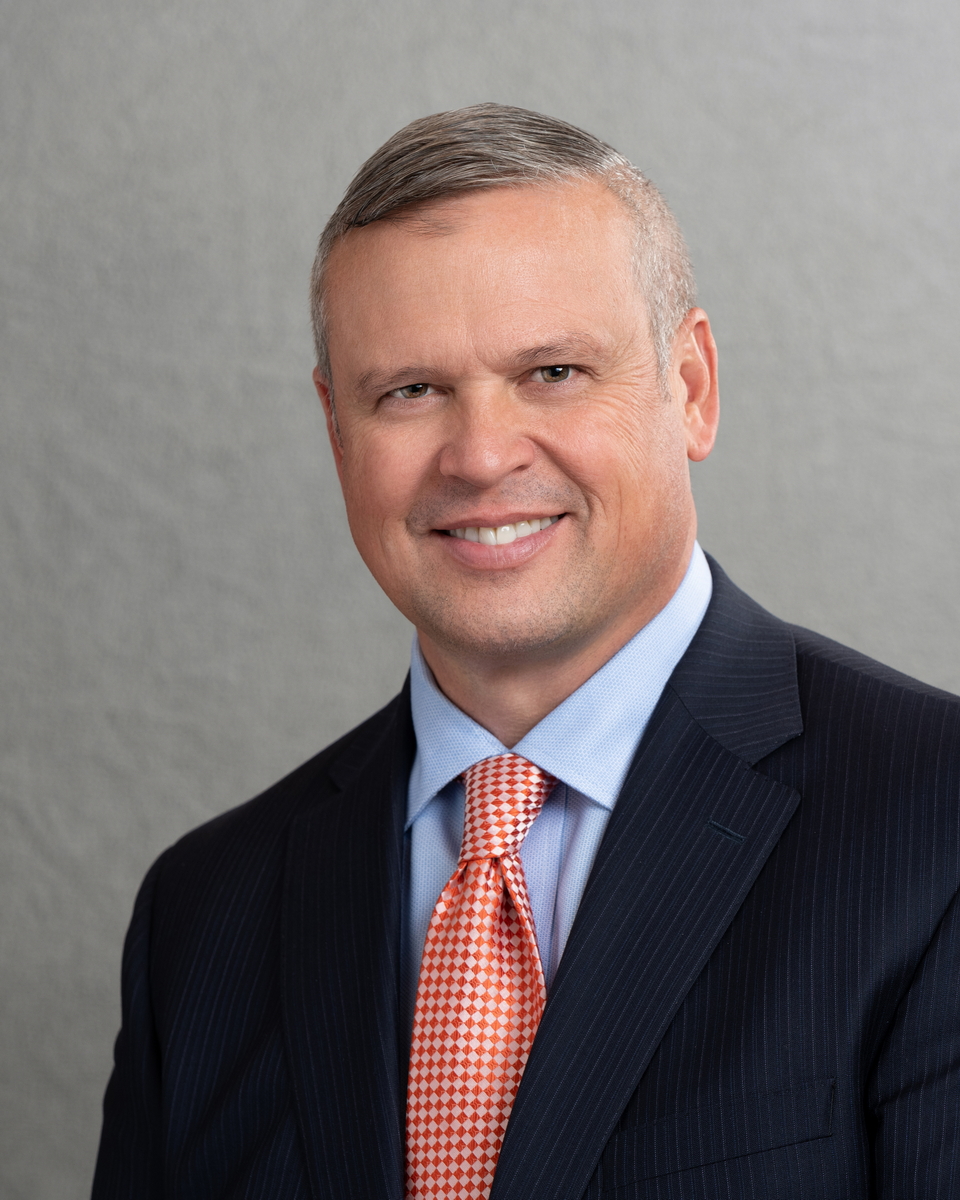
Photo of Mark Strong
R Utah House · District 47 On the 2026 ballot

Rep. Mark Strong

Compare
Total votes
3,427
all sessions
Attendance
95%
144 missed
Near the chamber average
With party
95%
of cast votes
Near the chamber average
Bipartisan score
3%
crosses aisle rarely
Near the chamber average
Sponsored
29
bills & resolutions
Lower than 85% of chamber peers
Committees
4
assignments
29 bills and resolutions

Sponsored bills

Total
29
Primary
25
Co-sponsor
4
This page
29
matching current filters
Primary HB 445
Signed into law · Utah House · Lead sponsor
County Government Land Purchasing

Maddy summaryHB 445 restricts counties from acquiring real property located in another county through purchase, lease, or exchange without two conditions: (1) express permission from the county where the property is situated, and (2) the acquisition must be part of a joint effort under an interlocal agreement. This applies to all counties seeking to buy or lease land outside their own boundaries. The bill also clarifies that property owned by a county but located outside its borders is subject to Utah’s Property Tax Act and not exempt from taxation. These changes amend several Utah Code sections to formalize cross-county land acquisition rules and ensure tax compliance.

Signed into law Mar 19, 2026 0 co-sponsors
Primary HB 268
Signed into law · Utah House · Lead sponsor
Towing Notice and Ownership Rights Modifications

Maddy summaryHB 268 modifies Utah's towing laws to protect vehicle owners and lienholders when proper notice isn't given after a vehicle is towed. It makes a tow operator's claim for fees unenforceable if required notice wasn't sent, allowing owners or lienholders to reclaim vehicles without paying towing or storage costs. The bill creates a legal presumption that notice was improperly provided, which can be rebutted by showing certified mail or timestamped evidence of proper notice. These changes apply specifically to private-property towing, ensuring owners can challenge improper notices without upfront legal costs.

Signed into law Mar 18, 2026 0 co-sponsors
Primary HB 556
In committee · Utah House · Lead sponsor
Special District Board Appointment Amendments

Maddy summaryHB 556 modifies Utah's rules for appointing board members to special districts (like water or fire districts). It requires appointing authorities to designate an alternative board member who must serve and vote specifically when the district considers raising assessments. This ensures representation from affected property owners during assessment decisions. The bill makes technical updates to existing appointment procedures without changing district funding or creating new requirements.

In committee Mar 7, 2026 0 co-sponsors
Co-sponsor SB 85
Passed · Utah Senate · Co-sponsor
Excellence in Education and Leadership Supplement Modifications

Maddy summarySB 85 expands Utah's teacher performance award program to include teachers in school districts not participating in the program. It creates a "self-nomination" pathway for eligible teachers in non-participating districts who meet statewide performance thresholds (top 40% in their subject/grade using state data). The bill updates the program rules to allow these teachers to qualify without district nomination, using a state-calculated value-added growth model. The changes apply to all Utah public school teachers and require the state center to identify qualifying teachers and issue invitations. No new funding is appropriated for this eligibility expansion.

Passed Mar 7, 2026 1 co-sponsor
Primary HB 183
Passed · Utah House · Lead sponsor
Sex Designation Amendments

Maddy summaryHB 183 amends Utah state laws to replace the term "gender" with "sex" in all relevant statutes and removes protections based on gender identity. It repeals existing provisions covering gender identity in housing, employment, and crime, prohibits changes to sex designations on birth certificates, and restricts student access to privacy spaces based on biological sex. The bill also requires state agencies to use "sex" instead of "gender" in rulemaking, bars certain employees in child-related roles from having face-to-face contact with children if their work presents a different sex than their biological sex, and directs courts to consider parental opposition to a child's gender identity (conflicting with biological sex) as a factor in custody decisions. These changes directly affect transgender and gender-diverse individuals, schools, healthcare providers, and courts handling custody cases. The bill contains no funding impacts and is currently in early legislative stages.

Passed Mar 7, 2026 0 co-sponsors
Primary HB 344
Signed into law · Utah House · Lead sponsor
School Fees Amendments

Maddy summaryHB 344 requires Utah school districts (local education agencies) to ensure every student has at least one fee-free option for required core courses (like English, math, science) starting in the 2026-2027 school year. It mandates clear fee disclosure in registration materials and prohibits charging fees for non-fee courses (core subjects), instructional supplies, extracurricular activities, discretionary projects, or expenses beyond basic instruction. The bill also bans supplementing prohibited fees through general fee increases or new charges for activities like field trips or equipment. It repeals outdated textbook fee language and makes technical updates to existing education code sections. The law applies directly to students and school districts, aiming to reduce financial barriers to required coursework.

Signed into law Mar 26, 2025 0 co-sponsors
Primary HB 127
Signed into law · Utah House · Lead sponsor
Sexual Crime Amendments

Maddy summaryHB 127 increases mandatory minimum prison sentences for rape, object rape, and forcible sodomy when committed against an incapacitated individual. Specifically, it raises the baseline sentence from 10 years to 15 years for these offenses when the victim meets the defined criteria of being "incapacitated" (14+ years old with cognitive, intellectual, or physical impairments preventing understanding of sexual acts or resistance). The bill amends Utah Code Sections 76-5-402 (rape), 76-5-402.2 (object rape), and 76-5-403 (forcible sodomy) to implement this change. It does not create new programs or appropriate funds, focusing solely on adjusting sentencing requirements for these specific cases. The bill was signed into law by the governor on March 26, 2025.

Signed into law Mar 26, 2025 0 co-sponsors
Primary HB 529
Introduced · Utah House · Lead sponsor
School Health Amendments

Maddy summaryHB 529 updates Utah law to expand access to asthma medication (stock albuterol) in schools during emergencies. It allows trained school staff (teachers or employees who complete certification) to administer albuterol to students showing asthma symptoms - even without a current asthma action plan - when a student is experiencing respiratory distress. Schools must make the medication available to qualified staff but are not required to stock more than one unit. The bill directly affects students with asthma and school staff who may administer the medication in urgent situations. It does not change requirements for parents to provide student-specific medications.

Introduced Mar 8, 2025 0 co-sponsors
Primary HCR 8
Passed · Utah House · Lead sponsor
Concurrent Resolution on State Innovation for Transition from Government Benefits to Self-reliance

Maddy summaryHCR 8 is a formal statement by the state legislature expressing support for initiatives that help residents transition from government assistance programs to self-sufficiency. It does not create new programs or change benefit eligibility; instead, it directs state agencies to explore innovative approaches to workforce development and economic independence. The resolution applies broadly to all state agencies managing benefit programs. As a concurrent resolution, it has no legal effect and serves only to communicate legislative intent.

Passed Mar 8, 2025 0 co-sponsors
Co-sponsor SB 81
Passed · Utah Senate · Co-sponsor
Care Provider Abuse Modifications

Maddy summarySB 81 creates a new criminal offense for care providers in Utah who engage in sexual relations with individuals experiencing vulnerability. It defines "individuals experiencing vulnerability" as adults (18+) with physical or mental impairments affecting daily living, and prohibits care providers (including those working in hospitals, nursing homes, or home health agencies) from having sexual intercourse or touching inappropriately with such individuals. The law makes violations a class A misdemeanor, explicitly stating that consent is not a defense. This applies to care providers who know or should know the individual is under their care or receiving services at the facility.

Passed Mar 8, 2025 1 co-sponsor
Showing 1 to 10 of 29 bills