Maddy summaryHB 572 updates Utah's behavioral and mental health systems to improve coordination and support. It requires standardized consent forms for disclosing mental health conditions to providers and law enforcement, mandates jail screening tool transparency, and shifts administration of the suicide prevention fund to a dedicated office. The bill creates a peer support specialist program, establishes a family outreach role for suicide/overdose cases, and amends involuntary commitment procedures. It appropriates $750,000 for implementation in fiscal year 2027, directly affecting justice-involved individuals, mental health providers, and families impacted by behavioral health crises.

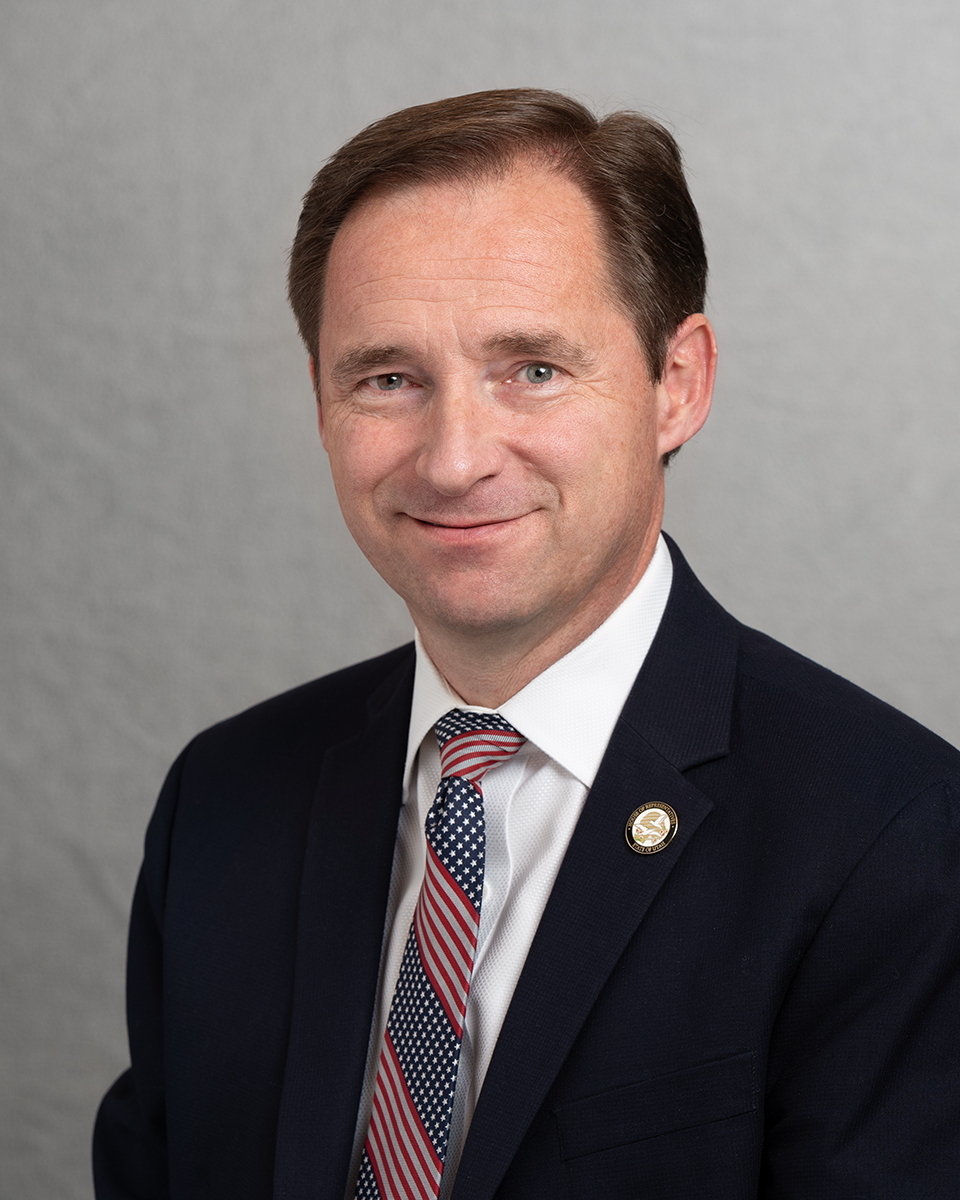
Rep. Steve Eliason
Sponsored bills
Maddy summaryHB 423 amends Utah's DUI license suspension process by changing requirements for peace officers' involvement in administrative hearings. It allows the Driver License Division to request a peace officer's presence at hearings following a DUI arrest and prevents hearings from being dismissed solely because an officer fails to appear. The bill also makes minor technical updates to existing law (Utah Code § 53-3-223) without altering DUI penalties or creating new costs. This directly affects individuals arrested for DUI whose license suspensions are processed through these administrative hearings.
Maddy summarySB 238 modifies Utah's property tax exemption procedures for residential properties. It requires residential property owners to reapply for the exemption if they were ineligible last year, ownership changes, or the county suspects the property no longer qualifies. The bill also clarifies burden of proof in tax appeals, updates advertising rules for tax levies, and adjusts timelines for tax commission compliance reviews. These changes apply to county tax authorities and property owners seeking residential exemptions, with no new funding or tax rate impacts. The bill focuses on administrative procedures, not tax rates or eligibility criteria.
Maddy summarySB 162 adds a sales tax to online digital content, including subscription-based streaming services like Netflix or Spotify. It affects companies providing digital video/audio services and their customers who purchase these subscriptions. The bill clarifies that transactions already subject to a multi-channel video service tax remain exempt from this new tax. These changes update Utah's sales tax rules for digital services without requiring new state spending.
Maddy summarySB 86 creates a temporary firearm safekeeping program allowing cohabitants or owners to voluntarily give firearms to law enforcement if they believe someone in the home poses an immediate threat (e.g., domestic violence situations). Law enforcement must hold firearms for 60 days (extendable by request) and return them to the owner unless the owner is a restricted person or subject to a domestic violence court order. The bill requires law enforcement agencies to anonymously report aggregate usage data (e.g., number of requests, firearms held) to the State Commission on Criminal and Juvenile Justice annually, starting July 1, 2026, with data collection sunsetting in 2028. This affects individuals seeking temporary firearm storage for safety during crises, without changing existing firearm ownership laws.
Maddy summaryThe provided bill text fragment is incomplete and does not describe the full scope of SB 226. The excerpt mentions a peace officer's reporting requirement regarding driver license hearings, but this does not align with the bill's title ("Fatal Motor Vehicle Accident Amendments") or clarify how it addresses fatal accidents. Without additional text detailing the bill's provisions, affected parties, or mechanisms, a factual summary cannot be created. More context from the complete bill is required to fulfill this request.
Maddy summarySB 190 allows Utah trailer owners to register certain trailers for the lifetime of their ownership instead of annually. Owners must pay four times the standard annual registration fee upfront, and commercial trailer owners must annually verify property tax payments or pay a one-time in lieu fee. The bill also imposes a $500 civil penalty for falsely claiming a trailer is commercial. It affects personal and commercial trailer owners who qualify for lifetime registration under Utah law, with no new state funding required.
Maddy summarySB 16 amends the process for agricultural businesses to claim tax refunds on motor fuel used for nonhighway farming activities. It requires claimants to retain original invoices as proof and limits each business to one annual refund claim. The bill specifies that refunds are processed only after commission approval of the claim. This directly affects farmers and agricultural operations purchasing fuel for off-highway use, streamlining their existing refund procedure without creating new tax credits.
Maddy summaryHB 77 modifies Utah's tax code to simplify reporting and update rules. It requires mineral producers to file specific tax forms on time or face penalties, adjusts property tax relief rules to allow homeowners to appeal late-filing denials, and clarifies how condominiums are taxed. The bill repeals outdated provisions like the inheritance tax and income tax credit for cleaner fuels, while consolidating multiple tax exemptions into one section. These changes primarily affect mineral producers, property owners seeking tax relief, and local governments managing tax collections.
Maddy summarySB 60 lowers Utah's corporate and individual income tax rates from 4.5% to 4.45% for tax years beginning on or after January 1, 2026. It directly affects corporations operating in Utah and residents filing state income taxes. The bill reduces the tax rate on both corporate franchise income and individual state taxable income, with the change applying retroactively to the 2026 tax year. No new state spending is involved, as the bill only adjusts existing tax rates.