HB 508 Utah House · 2026 General Session

State Facilities Modifications

HB 508 streamlines how Utah's higher education institutions request funding for capital facility projects. It establishes the Higher Education Appropriations Subcommittee to review these requests and sets new rules, including raising the maximum project cost for direct state entity supervision from $100,000 to $1.5 million. The bill requires institutions to complete architectural programming before design/construction funding requests and mandates memorandums of understanding with the Division of Facilities Construction and Management for self-supervised projects. It also prohibits using the division's contingency reserves for such projects and gives the division authority to take over deficient projects. The bill makes no new money appropriations but clarifies existing funding processes and requirements.
Bill status signed all 5 stages cleared
Introduction
Feb 2026
Committee Review
Mar 2026
House Passage
Mar 2026
Senate Passage
Feb 2026
Signed into Law
Mar 2026
Introduced Feb 6, 2026 Signed Mar 26, 2026
Maddy AI version diff · 4 comparisons

What changed between versions

Substitute #3 Enrolled · 7 edits · Mar 26, 2026
MODERATE
This bill updates the Utah State Facilities Modifications Act to streamline capital project funding for higher education and technical colleges, increase the threshold for state entities to self-supervise construction projects, and clarify the process for requesting architectural programming without a full feasibility study. The changes also adjust the effective date of the legislation and modify reporting requirements for the Higher Education Appropriations Subcommittee.
Scope change
The bill's scope remains focused on state facilities and capital development, but the applicability of self-supervision rules has expanded for specific institutions, and the funding process for higher education projects has been clarified to separate programming from design-and-construction phases.
TIMELINE

The effective date of the bill was changed from May 6, 2026, to March 12, 2026, and the cosponsor was added.

REQUIREMENT

Agencies can now request funding for architectural programming without submitting a feasibility study, though they must complete programming before requesting design and construction funds.

Feasibility studies for capital projects now require the inclusion of a space utilization plan and a capital budget estimate approved by the Division of Facilities Construction and Management.

The Higher Education Appropriations Subcommittee is now required to study a redesign of the performance funding model and enrollment-based funding distribution for technical colleges.

ELIGIBILITY

The maximum project cost for which a state entity can directly supervise design and construction increased from $100,000 to $1,500,000, with higher thresholds established for major universities and community colleges.

FISCAL

If excess funds remain in the statewide contingency reserve for higher education or technical college projects, the Legislature must transfer those funds to the specific capital project funds rather than the General Fund.

ENFORCEMENT

The Division of Facilities Construction and Management is authorized to revoke delegation of project control if inspections reveal deficiencies or noncompliance with design and construction standards.
Floor votes · House Mar 6, 2026

How they voted

This bill passed the Senate by voice vote (no roll call recorded).
Full legislative history

Actions timeline

Total actions
58
Key actions
9
Committee
6
Amendments
2
Mar 26, 2026
Signed into law
Governor Signed
executive
Mar 6, 2026
Lower · Passed
House/ signed by Speaker/ sent for enrolling
lower
Mar 6, 2026
Lower · Passed
Senate/ signed by President/ returned to House
lower
Mar 6, 2026
Upper · Passed
House/ concurs with Senate amendment
upper
Mar 5, 2026
Introduced
Senate/ to House with amendments
lower
Mar 2, 2026
Upper · Passed
Senate/ comm rpt/ substituted [Senate Government Operations and Political Subdivisions Committee]
upper
Mar 2, 2026
Upper · Passed
Senate Comm - Favorable Recommendation [Senate Government Operations and Political Subdivisions Committee]
upper
Feb 26, 2026
Committee
Senate/ to standing committee [Senate Government Operations and Political Subdivisions Committee]
upper
Feb 25, 2026
Introduced
Senate/ 1st reading (Introduced)
upper
Feb 24, 2026
Upper · Passed
House/ passed 3rd reading
upper
Feb 18, 2026
Lower · Passed
House/ comm rpt/ substituted [House Government Operations Committee]
lower
Feb 18, 2026
Lower · Passed
House Comm - Favorable Recommendation [House Government Operations Committee]
lower
Feb 11, 2026
Committee
House/ to standing committee [House Government Operations Committee]
lower
Feb 6, 2026
Introduced
House/ 1st reading (Introduced)
lower
1 primary · 1 co-sponsor

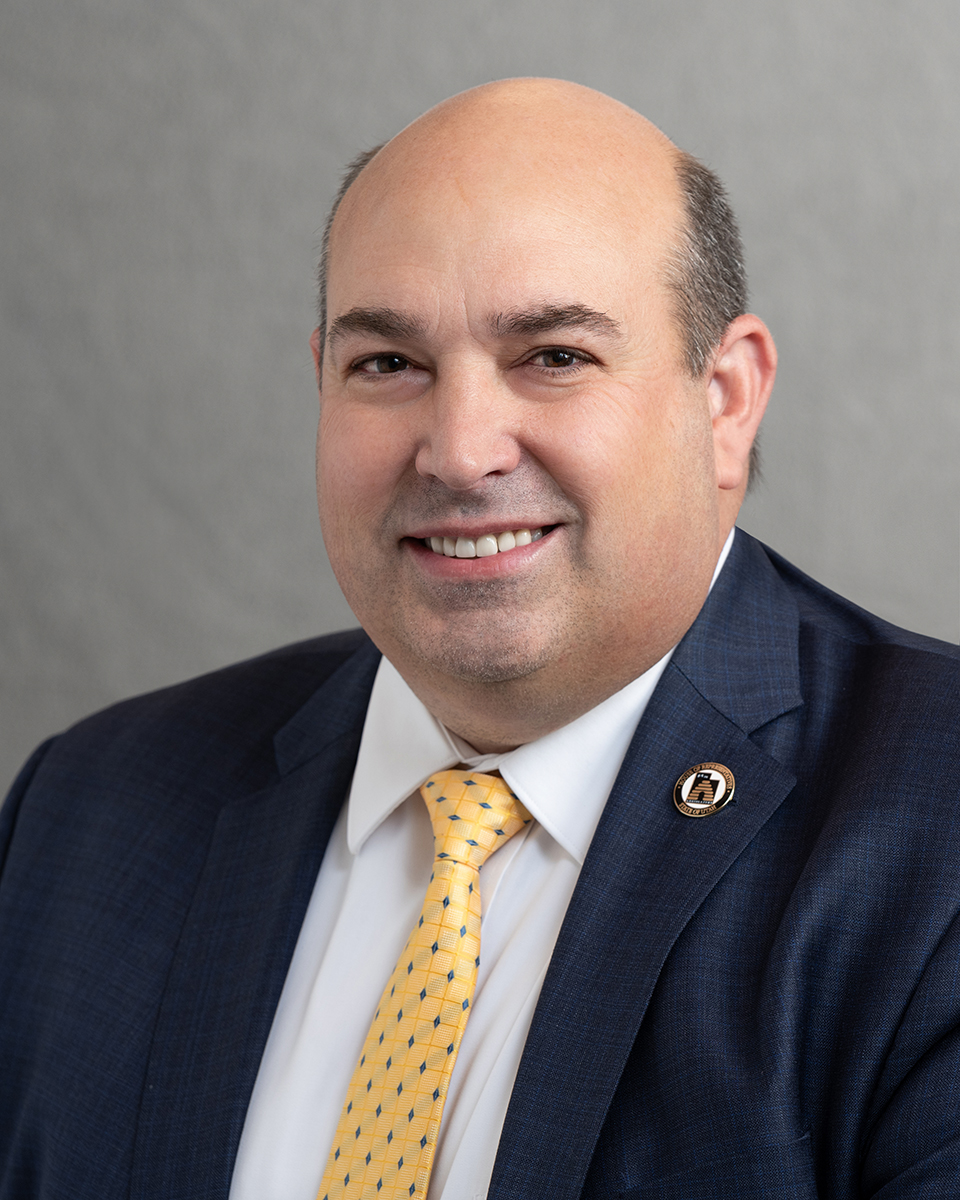
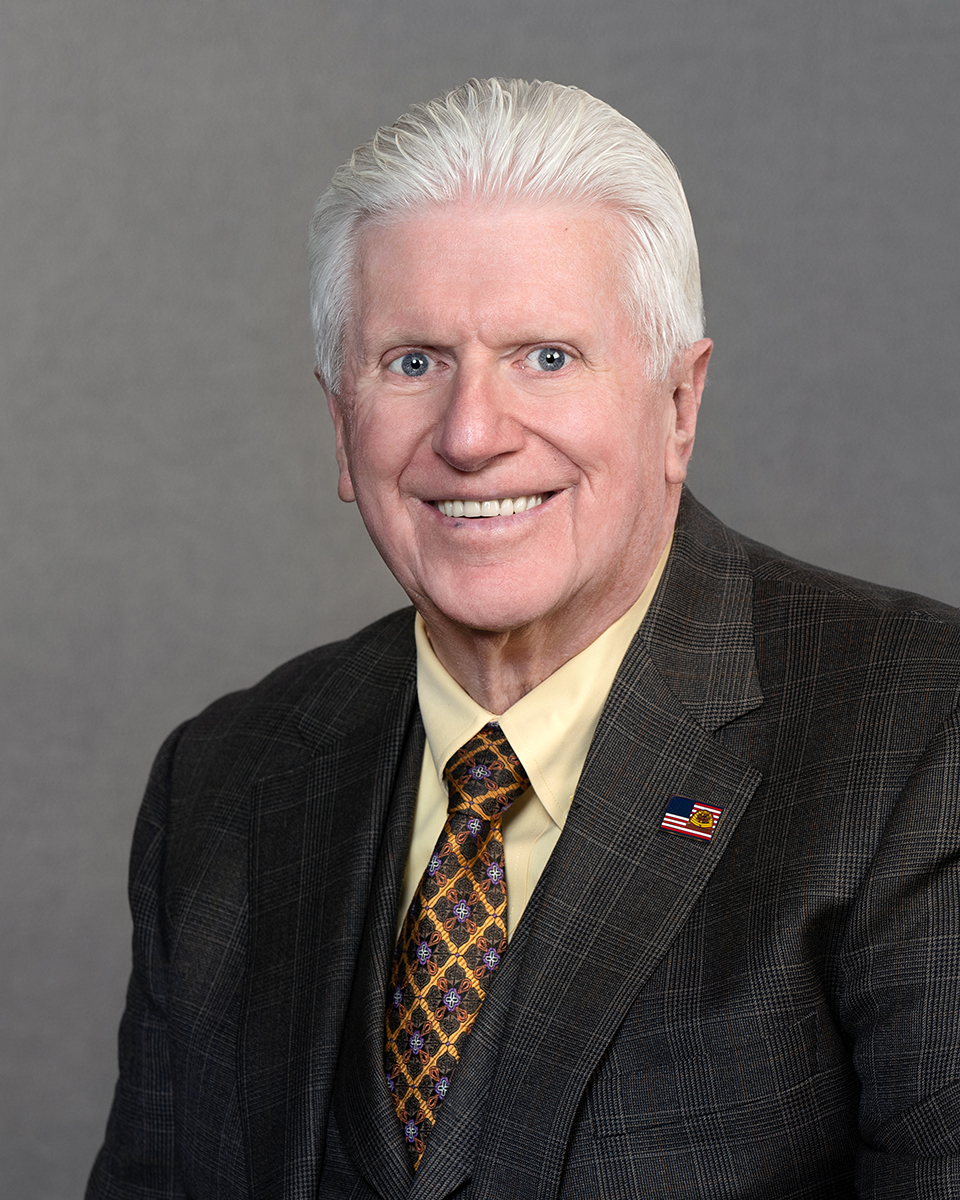
Sponsors