

District Court Amendments
HB 392 creates a "three-judge panel" process for specific civil cases in Utah district courts involving state entities or officials. It requires that when the attorney general, governor, or Legislature is a party, a panel of three randomly selected district judges (each from a different judicial district) must hear the case instead of a single judge. The Utah Supreme Court gains exclusive authority to review decisions from these panels, and standard venue rules no longer apply to such cases. This applies only to civil actions where state entities or officials are involved, with no new funding or policy changes for the public.
Bill status
signed
all 5 stages cleared
Introduction
Jan 2026
Committee Review
Feb 2026
House Passage
Feb 2026
Senate Passage
Feb 2026
Signed into Law
Feb 2026
Introduced Jan 27, 2026
Signed Feb 13, 2026
Maddy AI version diff · 4 comparisons
What changed between versions
Substitute #3
→
Enrolled
·
2 edits
·
Feb 13, 2026
MINOR
The bill text was updated to reflect a change in the bill's effective date from May 6, 2026, to March 7, 2026, and the timestamp of the legislative action was updated from February 11 to February 13, 2026.
TIMELINE
The deadline for the Judicial Council to create rules for random judge selection was moved earlier, from May 6, 2026, to March 7, 2026.
TECHNICAL
The timestamp at the end of the document was updated to reflect the latest legislative action date (February 13, 2026).
Floor votes · Senate Feb 12, 2026 · House Feb 4, 2026
How they voted
22–7
Passed
Total votes 29
Feb 12, 2026
D
Democratic6
100% Nay
N
Forward1
100% Nay
R
Republican22
100% Yea
Vote distribution
All Yea
All Nay
Mixed
No data
Full legislative history
Actions timeline
Total actions
60
Key actions
10
Committee
6
Amendments
2
Feb 13, 2026
Signed into law
Governor Signed
executive
Feb 13, 2026
Lower · Passed
House/ signed by Speaker/ sent for enrolling
lower
Feb 13, 2026
Lower · Passed
Senate/ signed by President/ returned to House
lower
Feb 13, 2026
Upper · Passed
House/ concurs with Senate amendment
upper
Feb 12, 2026
Introduced
Senate/ to House with amendments
lower
Feb 12, 2026
Lower · Passed
Senate/ passed 3rd reading
lower
Feb 6, 2026
Upper · Passed
Senate/ committee report favorable [Senate Revenue and Taxation Committee]
upper
Feb 6, 2026
Upper · Passed
Senate Comm - Favorable Recommendation [Senate Revenue and Taxation Committee]
upper
Feb 5, 2026
Committee
Senate/ to standing committee [Senate Revenue and Taxation Committee]
upper
Feb 4, 2026
Introduced
Senate/ 1st reading (Introduced)
upper
Feb 4, 2026
Upper · Passed
House/ passed 3rd reading
upper
Jan 29, 2026
Lower · Passed
House/ committee report favorable [House Law Enforcement and Criminal Justice Committee]
lower
Jan 28, 2026
Lower · Passed
House Comm - Favorable Recommendation [House Law Enforcement and Criminal Justice Committee]
lower
Jan 27, 2026
Committee
House/ to standing committee [House Law Enforcement and Criminal Justice Committee]
lower
Jan 27, 2026
Introduced
House/ 1st reading (Introduced)
lower
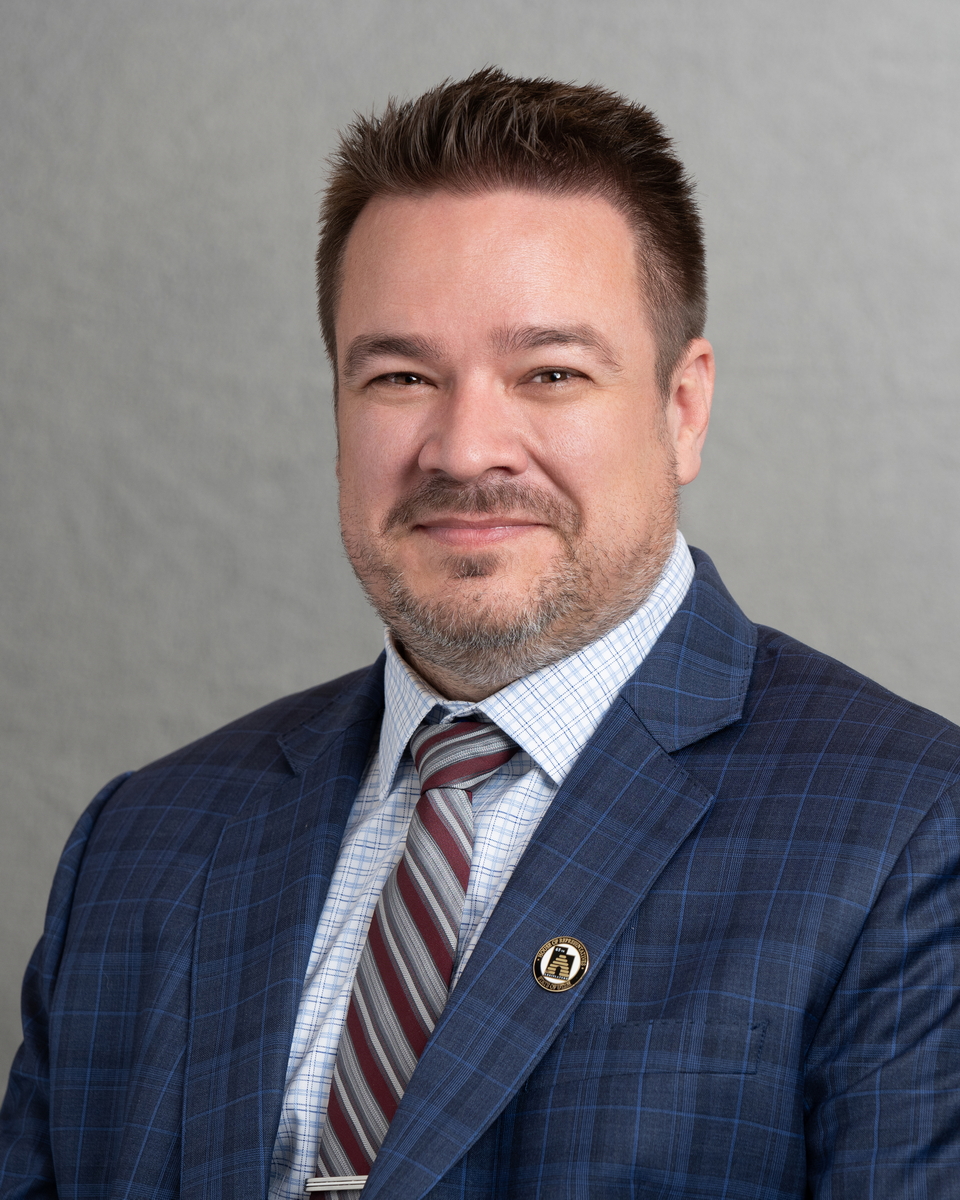
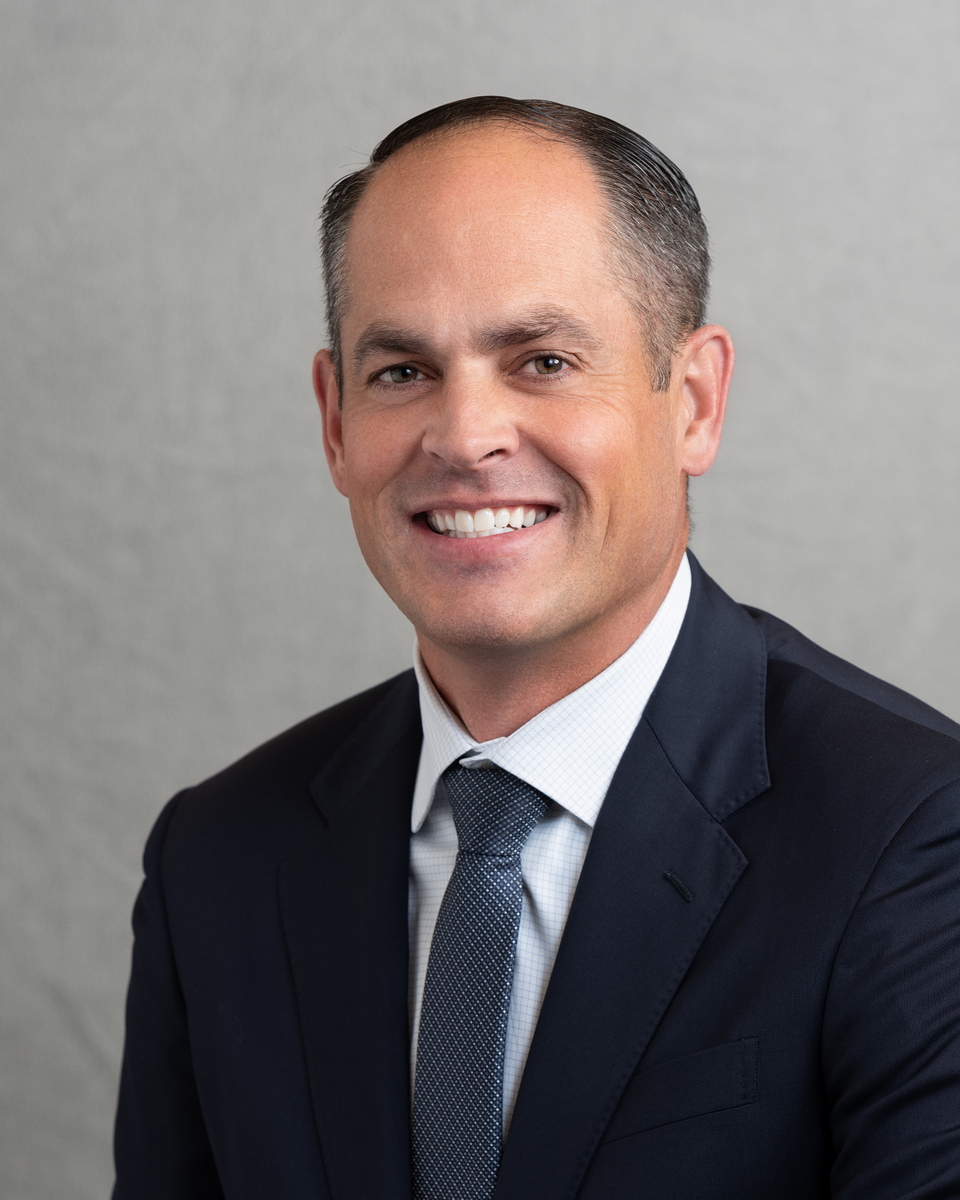
1 primary · 1 co-sponsor
Sponsors
Ask Maddy
·
AI policy assistant
Ask Maddy about HB 392
Scope: UT
Hi! I can help you understand HB 392. What would you like to know?
Try one of these
i
Maddy answers using official bill text and legislative records. Always verify before sharing.
Sources cited inline