HB 326 Utah House · 2026 General Session

Animal Depredation Amendments

HB 326 allows ranchers and farmers to obtain aerial hunting permits for coyotes to protect livestock and crops, directly affecting agricultural producers. The bill establishes that permit holders assume full liability for accidents during aerial hunts, modifies annual predator control fees for livestock owners, and updates definitions related to wildlife damage. It also increases penalties for feral swine violations and adds provisions for seizing vehicles used in such crimes. The changes aim to streamline wildlife damage prevention without new state funding, updating existing Utah Code sections.
Bill status passed 4 of 5 stages cleared
Introduction
Jan 2026
Committee Review
Mar 2026
House Passage
Feb 2026
Senate Passage
Feb 2026
Governor
Introduced Jan 23, 2026 Last action Mar 7, 2026
Maddy AI version diff · 4 comparisons

What changed between versions

Substitute #1 Substitute #2 · 7 edits
MODERATE
The bill was substantially rewritten to shift focus from general agricultural depredation to specific egg industry regulations and feral swine control. The new version adds detailed definitions for egg quality and producer sizes, grants the department authority to collect fees for egg administration, and clarifies rules for aerial hunting of coyotes and vehicle forfeiture for feral swine crimes.
Scope change
The bill's scope expanded to include specific regulations for shell egg producers (defining 'large' vs 'small' producers and end consumers) while retaining and refining provisions for wildlife damage prevention and feral swine penalties.
DEFINITION

Added specific definitions for egg industry terms including 'addled', 'adherent yolk', 'albumen', 'black rot', 'black spot', 'blood ring', 'end consumer', 'large producer', and 'small producer'.

Modified the definition of 'feral swine' to include specific species and phenotypic characteristics, while redefining 'swine' to exclude feral types.

FISCAL

Granted the Department of Agriculture and Food authority to collect fees for the administration and enforcement of egg regulations.

REQUIREMENT

Replaced the previous requirement for the department to establish egg grades with a mandate to make rules for administering and enforcing the chapter.

Changed the annual predator control fee structure to be determined annually by the board rather than fixed statutory amounts.

ENFORCEMENT

Added provisions allowing peace officers to seize and forfeit vehicles used in feral swine crimes, including public sale of the vehicle.

ELIGIBILITY

Clarified eligibility for aerial hunting permits to specifically target coyotes on private land with written permission from the landowner.

Floor votes · House Feb 23, 2026

How they voted

This bill passed the Senate by voice vote (no roll call recorded).
Full legislative history

Actions timeline

Total actions
37
Key actions
5
Committee
5
Amendments
2
Mar 2, 2026
Upper · Passed
Senate/ committee report favorable [Senate Natural Resources, Agriculture, and Environment Committee]
upper
Feb 28, 2026
Upper · Passed
Senate Comm - Favorable Recommendation [Senate Natural Resources, Agriculture, and Environment Committee]
upper
Feb 25, 2026
Committee
Senate/ to standing committee [Senate Natural Resources, Agriculture, and Environment Committee]
upper
Feb 23, 2026
Introduced
Senate/ 1st reading (Introduced)
upper
Feb 23, 2026
Upper · Passed
House/ passed 3rd reading
upper
Feb 17, 2026
Lower · Passed
House/ comm rpt/ amended [House Natural Resources, Agriculture, and Environment Committee]
lower
Feb 13, 2026
Lower · Passed
House Comm - Favorable Recommendation [House Natural Resources, Agriculture, and Environment Committee]
lower
Feb 13, 2026
Introduced
House Comm - Amendment Recommendation [House Natural Resources, Agriculture, and Environment Committee]
lower
Feb 11, 2026
Committee
House/ to standing committee [House Natural Resources, Agriculture, and Environment Committee]
lower
Jan 23, 2026
Introduced
House/ 1st reading (Introduced)
lower
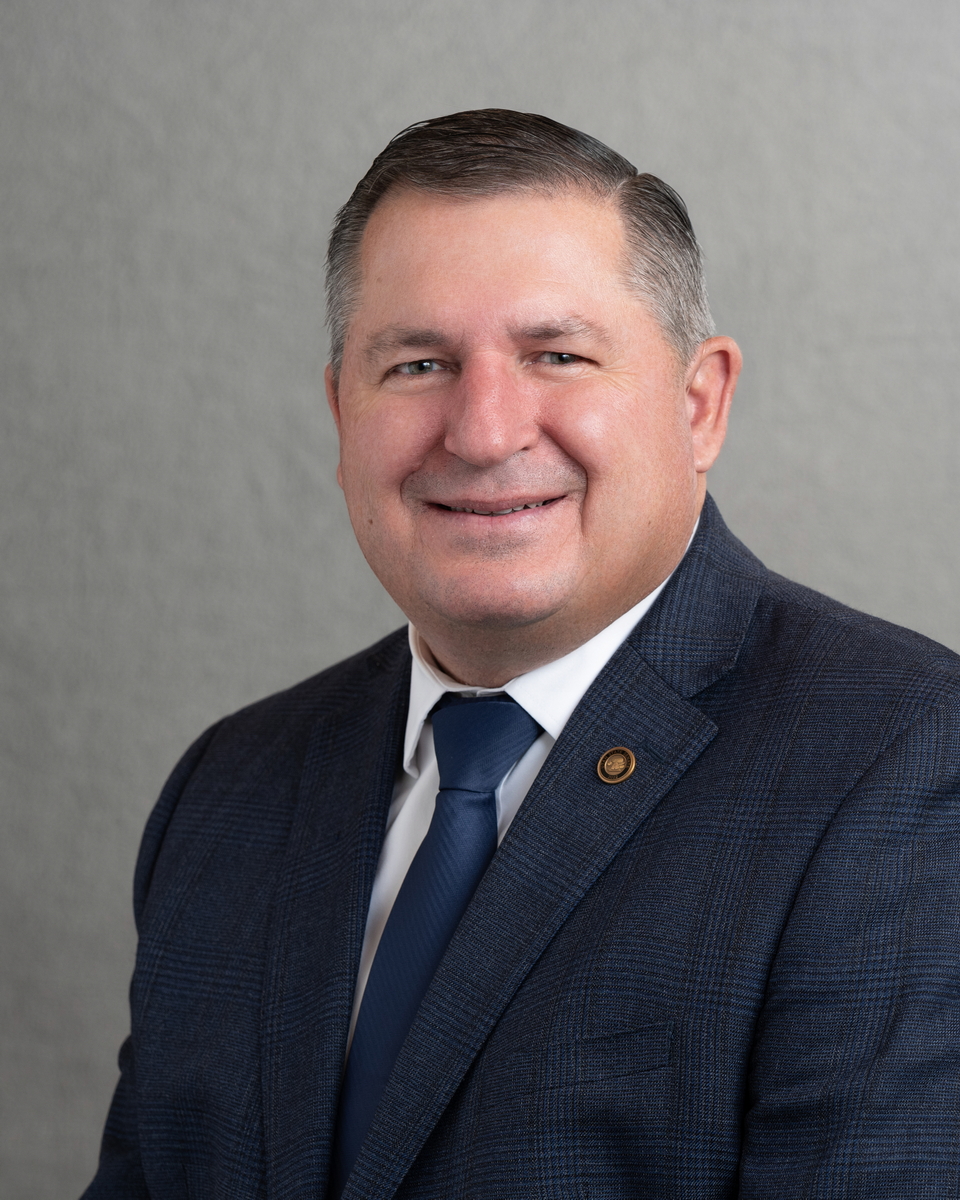
1 primary · 1 co-sponsor

Sponsors