HB 246 Utah House · 2026 General Session

Local Government Drug Testing Amendments

HB 246 amends Utah's drug testing rules for local government entities and public colleges, directly affecting employees, volunteers, and prospective hires in these organizations. It updates the definition of "sample" to include oral fluid, clarifies that entities may require specific sample types (like oral fluid or urine), and mandates that all sample collection follow instructions from an independent entity. The bill requires testing to be conducted by certified laboratories and ensures proper chain-of-custody procedures, without changing who is subject to testing or adding new costs. These changes apply to existing drug testing policies under Utah Code Sections 34-41-101, 103, and 104.
Bill status signed all 5 stages cleared
Introduction
Jan 2026
Committee Review
Feb 2026
House Passage
Feb 2026
Senate Passage
Feb 2026
Signed into Law
Mar 2026
Introduced Jan 20, 2026 Signed Mar 17, 2026
Maddy AI version diff · 1 comparison

What changed between versions

Introduced Enrolled · 8 edits · Mar 17, 2026
MODERATE
This bill establishes a comprehensive framework for drug testing of employees and volunteers by local governments and institutions of higher education. It mandates written policies, requires independent testing laboratories, and sets specific rules for sample collection and result verification. The legislation also clarifies cost-sharing for retests and ensures privacy and sanitary conditions during testing.
Scope change
The bill applies to local governmental entities and institutions of higher education, covering both current employees/volunteers and prospective ones, with specific rules for when testing can occur.
REQUIREMENT

Mandates that entities adopt written drug testing policies and distribute them to current and prospective employees and volunteers.

Requires all sample collection and testing to be performed by independent laboratories certified by federal or professional health organizations.

Specifies that split urine samples must contain at least 45 milliliters, divided into two bottles for initial and retesting.

Establishes that if a donor requests a retest of a split sample, the cost is shared equally between the donor and the employer.

Requires positive initial screening results to be confirmed using gas chromatography or mass spectroscopy before any disciplinary action.

Mandates that drug testing for current employees and volunteers occurs during work hours and counts as paid work time.

Prohibits testing prospective employees or volunteers unless the testing occurs during or immediately after their regular work period.

TIMELINE

Sets the effective date of the bill as May 6, 2026.
Floor votes · Senate Feb 25, 2026 · House Feb 6, 2026

How they voted

270
Passed · 2 other
Total votes 29
Feb 25, 2026
D Democratic6
6 Yea
100% Yea
N Forward1
1 Yea
100% Yea
R Republican22
20 Yea 2
90% Yea
Vote distribution
All Yea All Nay Mixed No data
Full legislative history

Actions timeline

Total actions
37
Key actions
11
Committee
8
Mar 17, 2026
Signed into law
Governor Signed
executive
Feb 25, 2026
Lower · Passed
House/ signed by Speaker/ sent for enrolling
lower
Feb 25, 2026
Lower · Passed
Senate/ signed by President/ returned to House
lower
Feb 25, 2026
Upper · Passed
Senate/ passed 3rd reading
upper
Feb 20, 2026
Upper · Passed
Senate/ comm rpt/ placed on Consent Calendar [Senate Education Committee]
upper
Feb 20, 2026
Upper · Passed
Senate Comm - Consent Calendar Recommendation [Senate Education Committee]
upper
Feb 20, 2026
Upper · Passed
Senate Comm - Favorable Recommendation [Senate Education Committee]
upper
Feb 10, 2026
Committee
Senate/ to standing committee [Senate Education Committee]
upper
Feb 6, 2026
Introduced
Senate/ 1st reading (Introduced)
upper
Feb 6, 2026
Upper · Passed
House/ passed 3rd reading
upper
Feb 4, 2026
Lower · Passed
House/ comm rpt/ placed on Consent Calendar [House Political Subdivisions Committee]
lower
Feb 4, 2026
Lower · Passed
House Comm - Consent Calendar Recommendation [House Political Subdivisions Committee]
lower
Feb 4, 2026
Lower · Passed
House Comm - Favorable Recommendation [House Political Subdivisions Committee]
lower
Feb 2, 2026
Committee
House/ to standing committee [House Political Subdivisions Committee]
lower
Jan 20, 2026
Introduced
House/ 1st reading (Introduced)
lower
1 primary · 1 co-sponsor

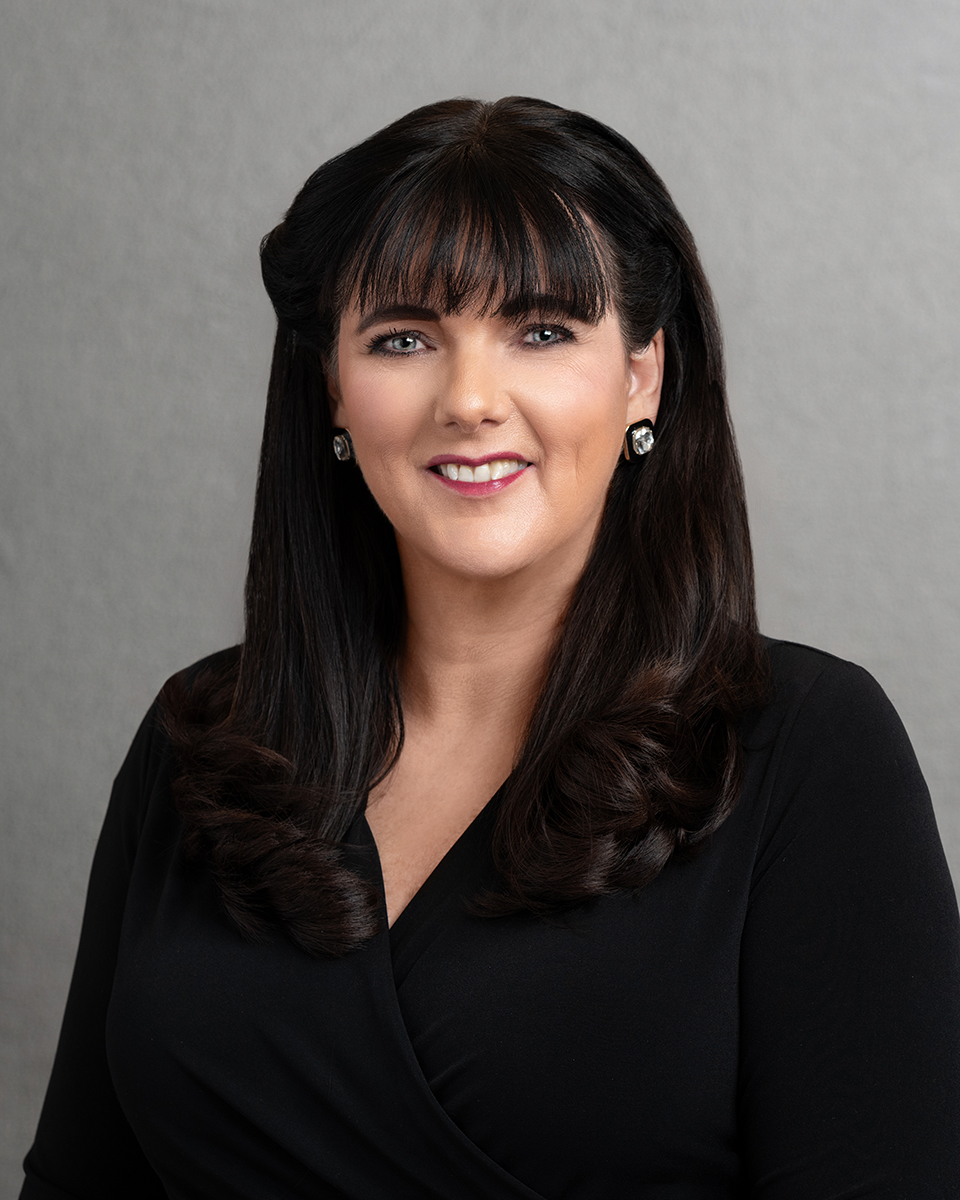
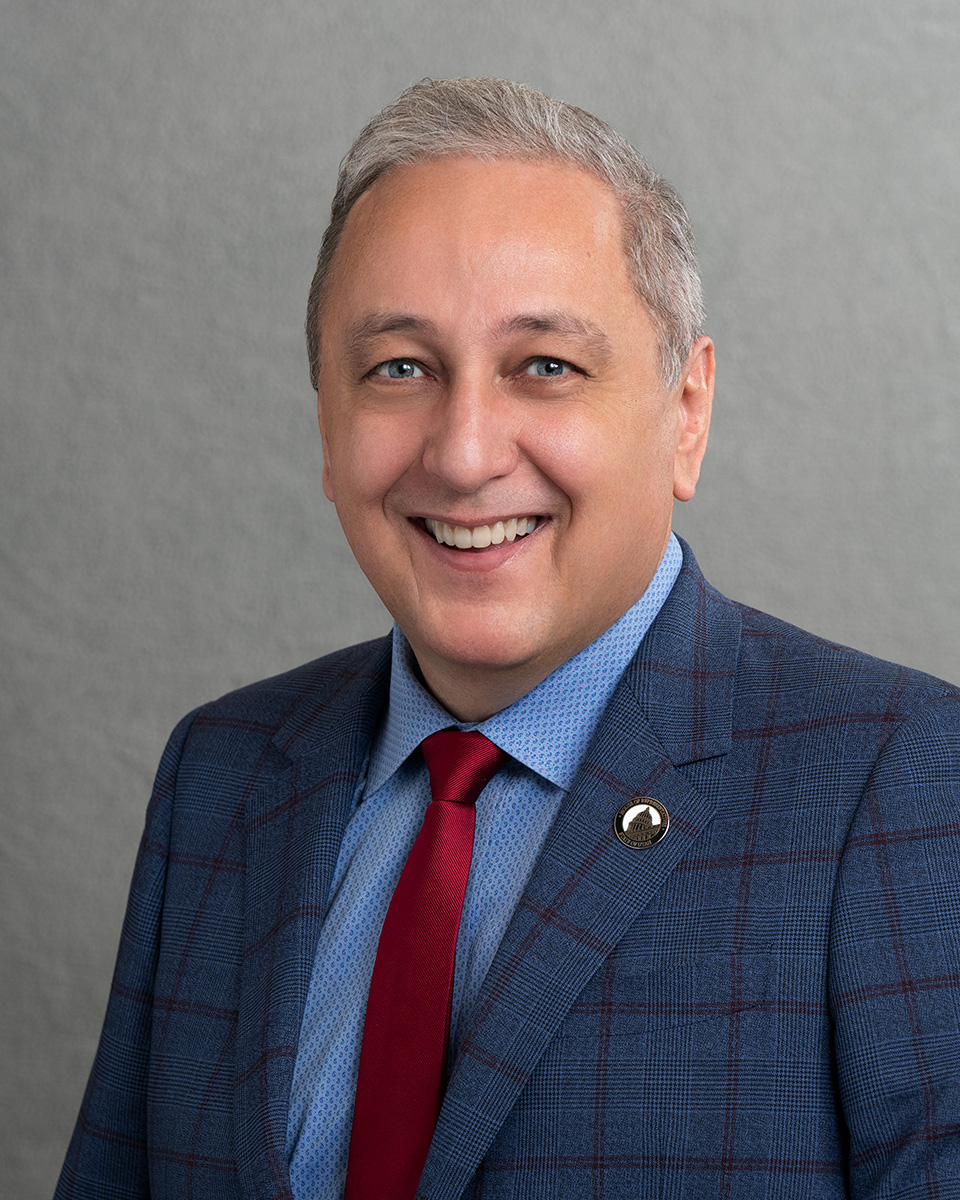
Sponsors