

Education Testing Amendments
SB 39 amends Utah's education assessment rules to expand the grade ranges for state testing in math, English, and science (from grades 3-8 to 3-10 starting in 2026), while removing requirements for separate high school assessments. It mandates that tests be computer adaptive (adjusting difficulty based on student responses), administered online, and aligned with Utah's curriculum standards. The bill prevents test scores from affecting students' course grades or grade promotion, though teachers may use scores to support learning. It also creates a 15-member parent committee to review assessment questions, with appointments split between state board, House, and Senate leaders.
Bill status
signed
all 5 stages cleared
Introduction
Jan 2025
Committee Review
Mar 2025
Senate Passage
Mar 2025
House Passage
Feb 2025
Signed into Law
Mar 2025
Introduced Jan 21, 2025
Signed Mar 26, 2025
Maddy AI version diff · 6 comparisons
What changed between versions
Amended 3/3/2025 12:03:02
→
Substitute #1
·
3 edits
MINOR
This substitute bill modifies the original version by adjusting implementation dates for expanded grade ranges in state assessments and clarifying the repeal of the high school assessment section. The changes affect when students in grades 9 and 10 will begin taking mathematics, English language arts, and science assessments, shifting the transition date from 2027 to 2026.
Scope change
The bill maintains the same core scope of amending Utah education testing requirements but modifies the timeline for when expanded grade ranges become effective.
TIMELINE
Changed the transition date for expanding mathematics, English language arts, and science assessments from July 1, 2027 to July 1, 2026, accelerating when grades 9 and 10 students must take these assessments.
TECHNICAL
Reformatted the repeal section to explicitly state that Section 53E-4-304 (High school assessments) is repealed, replacing the previous section header format.
Added introductory text and formatting changes typical of a substitute bill, including sponsor information and page headers.
Floor votes
How they voted
This bill passed the Senate by voice vote (no roll call recorded).
Full legislative history
Actions timeline
Total actions
48
Key actions
11
Committee
4
Amendments
6
Mar 26, 2025
Signed into law
Governor Signed
executive
Mar 6, 2025
Legislature · Passed
Senate/ signed by President/ sent for enrolling
legislature
Mar 5, 2025
Upper · Passed
House/ signed by Speaker/ returned to Senate
upper
Mar 5, 2025
Lower · Passed
Senate/ concurs with House amendment
lower
Mar 5, 2025
Upper · Passed
House/ passed 3rd reading
upper
Mar 5, 2025
Lower · Passed
House/ comm rpt/ amended
lower
Mar 3, 2025
Lower · Passed
House/ comm rpt/ amended
lower
Mar 1, 2025
Lower · Passed
House Comm - Favorable Recommendation
lower
Mar 1, 2025
Introduced
House Comm - Amendment Recommendation
lower
Feb 27, 2025
Committee
House/ to standing committee
lower
Feb 26, 2025
Introduced
House/ 1st reading (Introduced)
lower
Feb 25, 2025
Lower · Passed
Senate/ passed 3rd reading
lower
Jan 23, 2025
Upper · Passed
Senate/ comm rpt/ amended
upper
Jan 22, 2025
Upper · Passed
Senate Comm - Favorable Recommendation
upper
Jan 22, 2025
Introduced
Senate Comm - Amendment Recommendation
upper
Jan 21, 2025
Committee
Senate/ to standing committee
upper
Jan 21, 2025
Introduced
Senate/ 1st reading (Introduced)
upper
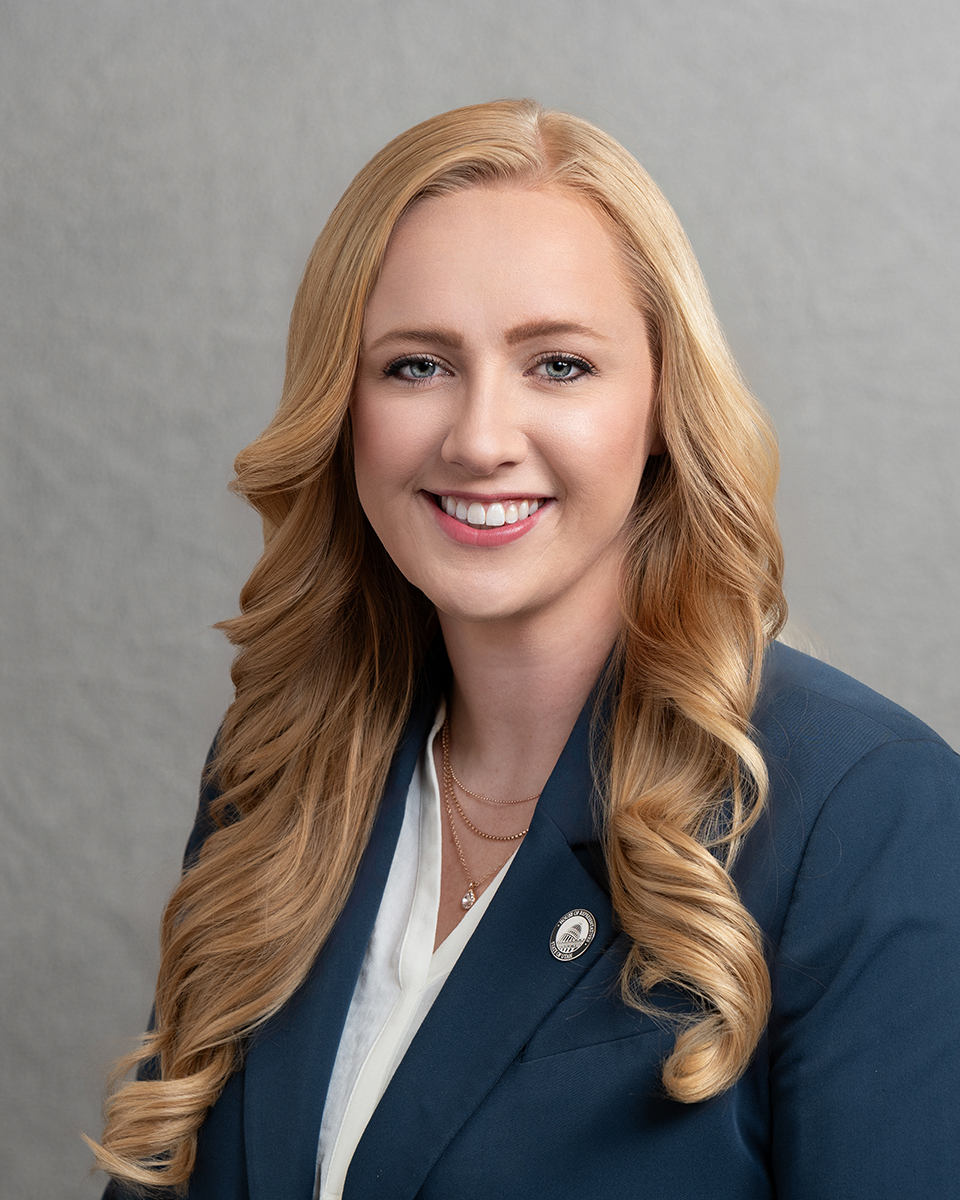
1 primary · 1 co-sponsor
Sponsors

Ask Maddy
·
AI policy assistant
Ask Maddy about SB 39
Scope: UT
Hi! I can help you understand SB 39. What would you like to know?
Try one of these
i
Maddy answers using official bill text and legislative records. Always verify before sharing.
Sources cited inline